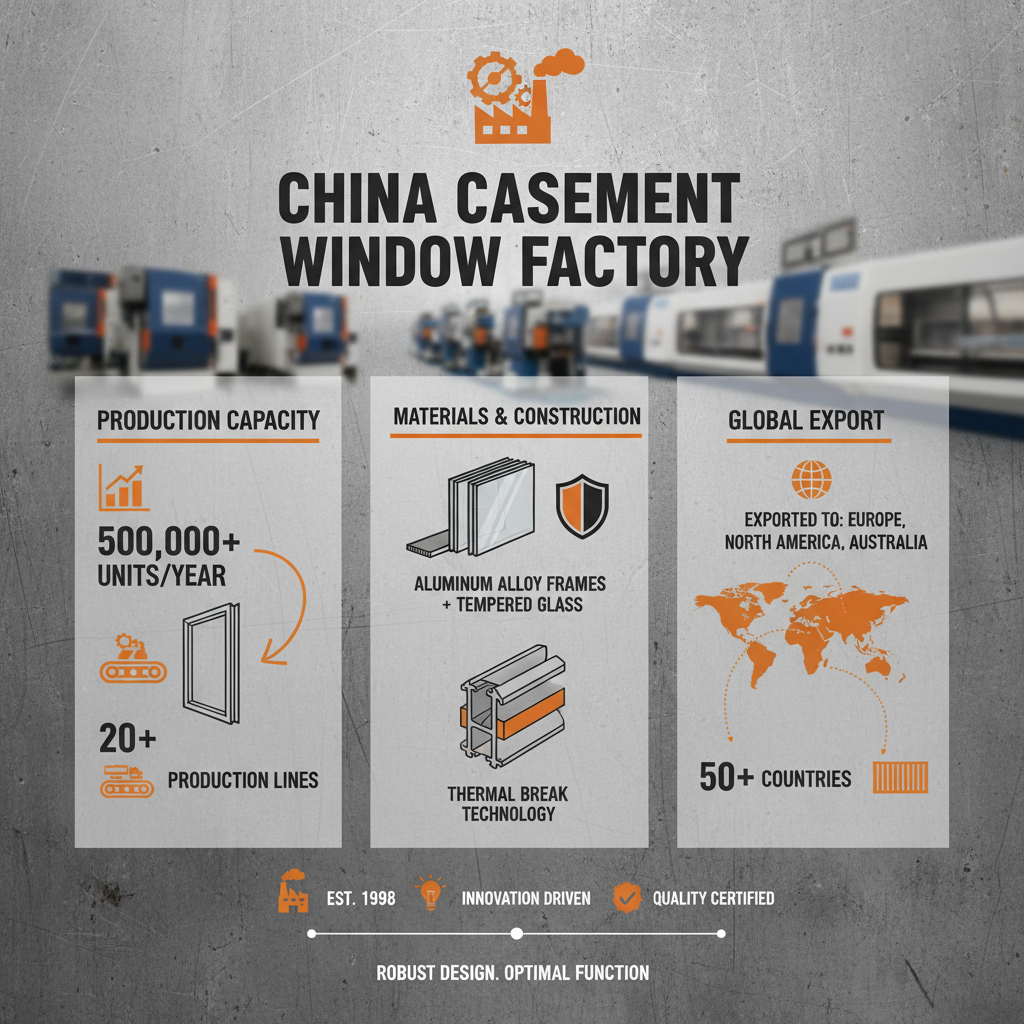
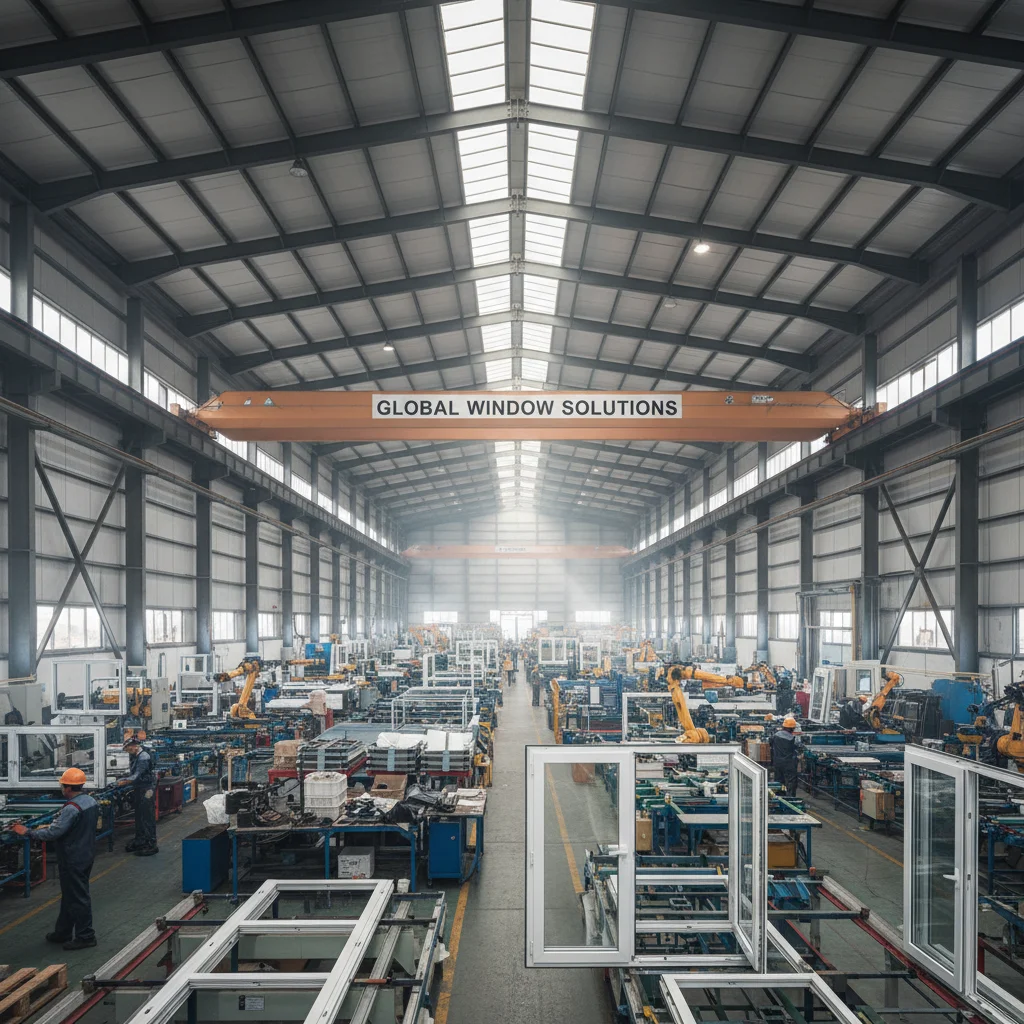
In the modern architectural landscape, the demand for high-performance fenestration has led many global developers to seek partnerships with a professional China Casement Window Factory. These facilities integrate advanced metallurgy and precision engineering to create window systems that balance aesthetic elegance with rigorous thermal and acoustic performance standards.
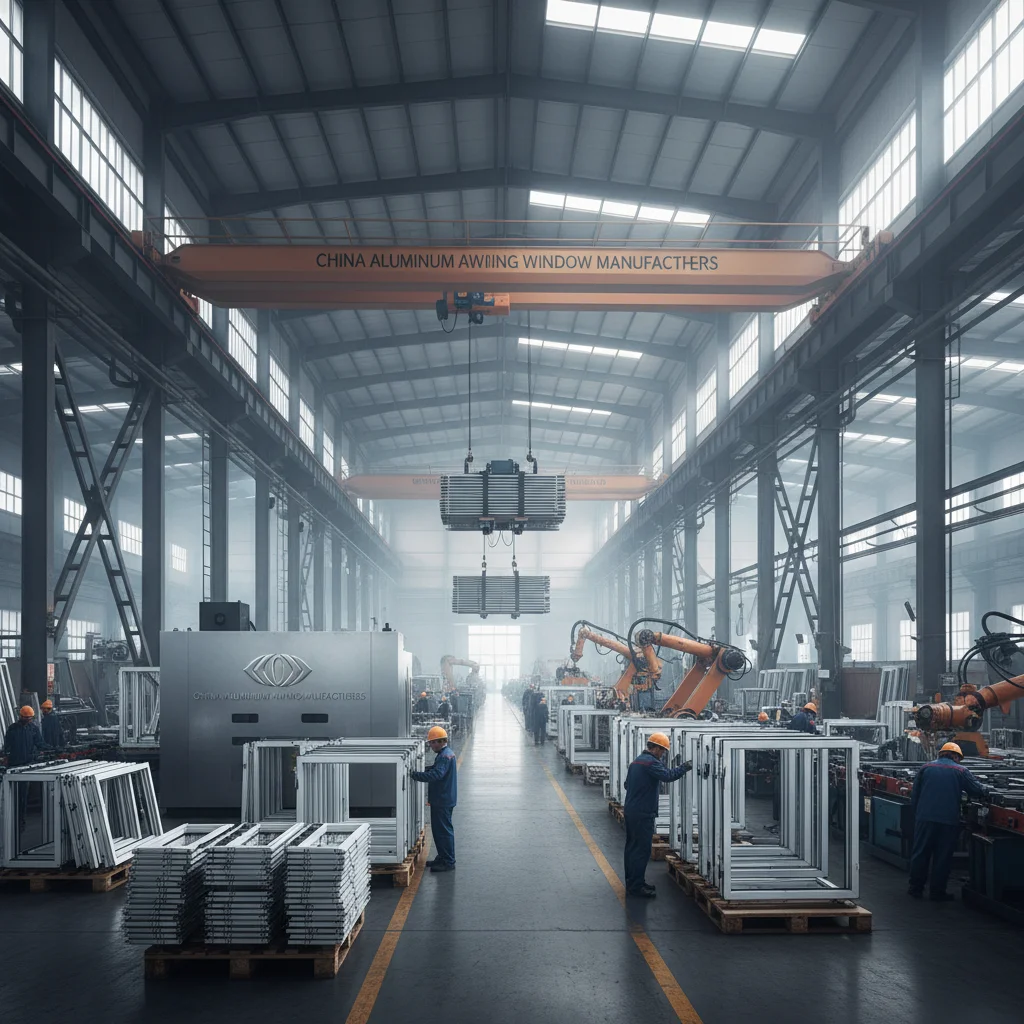
Understanding the capabilities of a leading China Casement Window Factory is essential for importers and contractors who aim to reduce construction costs without sacrificing structural integrity. By leveraging large-scale production efficiencies and cutting-edge CNC technology, these factories provide scalable solutions for residential complexes and commercial skyscrapers alike.
Ultimately, selecting the right manufacturing partner ensures that projects meet international building codes, such as ISO and NFRC standards, while incorporating the latest trends in energy-efficient glazing. This guide explores the technical intricacies and strategic advantages of sourcing from a premier China Casement Window Factory.
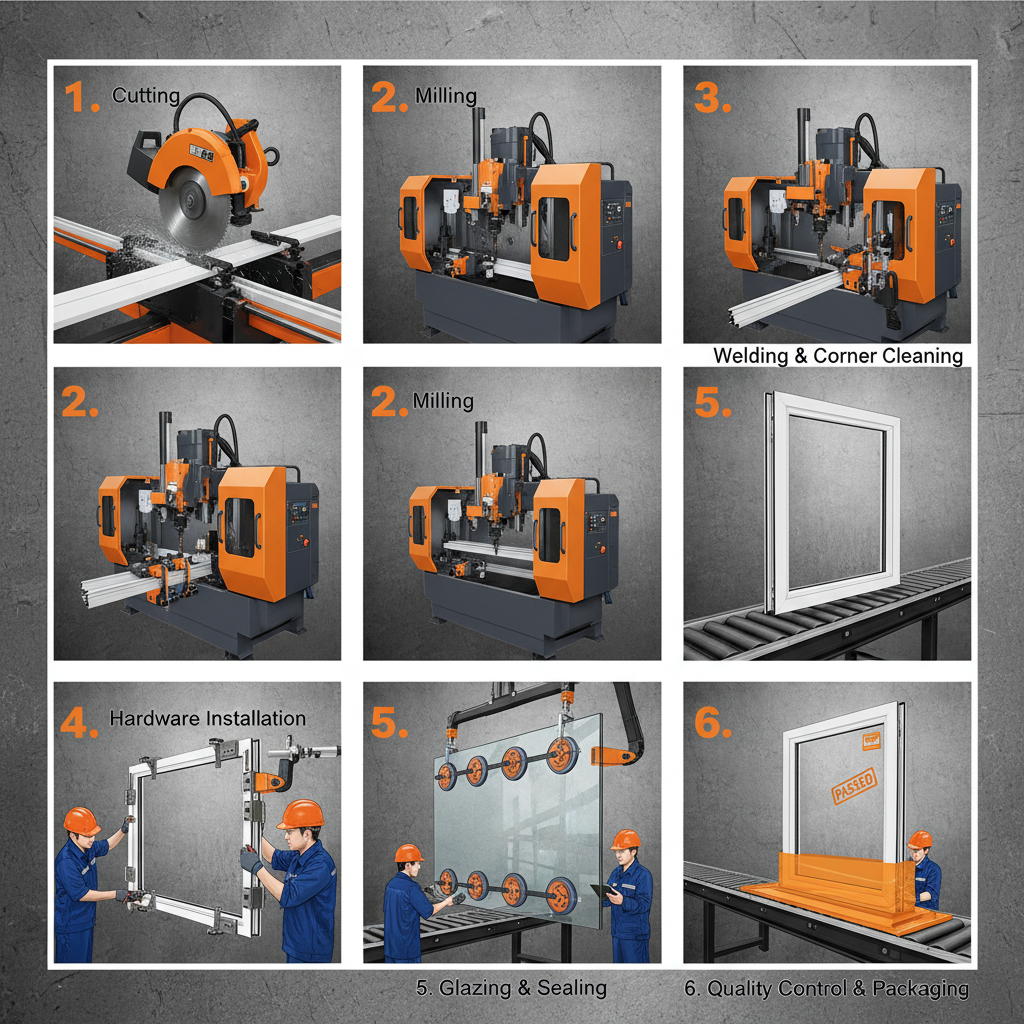
Global Industrial Context of China Casement Window Factory
The global construction market has seen a significant shift toward energy-efficient building envelopes, with the Asia-Pacific region leading the surge in manufacturing output. A specialized China Casement Window Factory operates at the intersection of this demand, utilizing economies of scale to supply high-quality aluminum and uPVC profiles to markets in North America, Europe, and Southeast Asia.
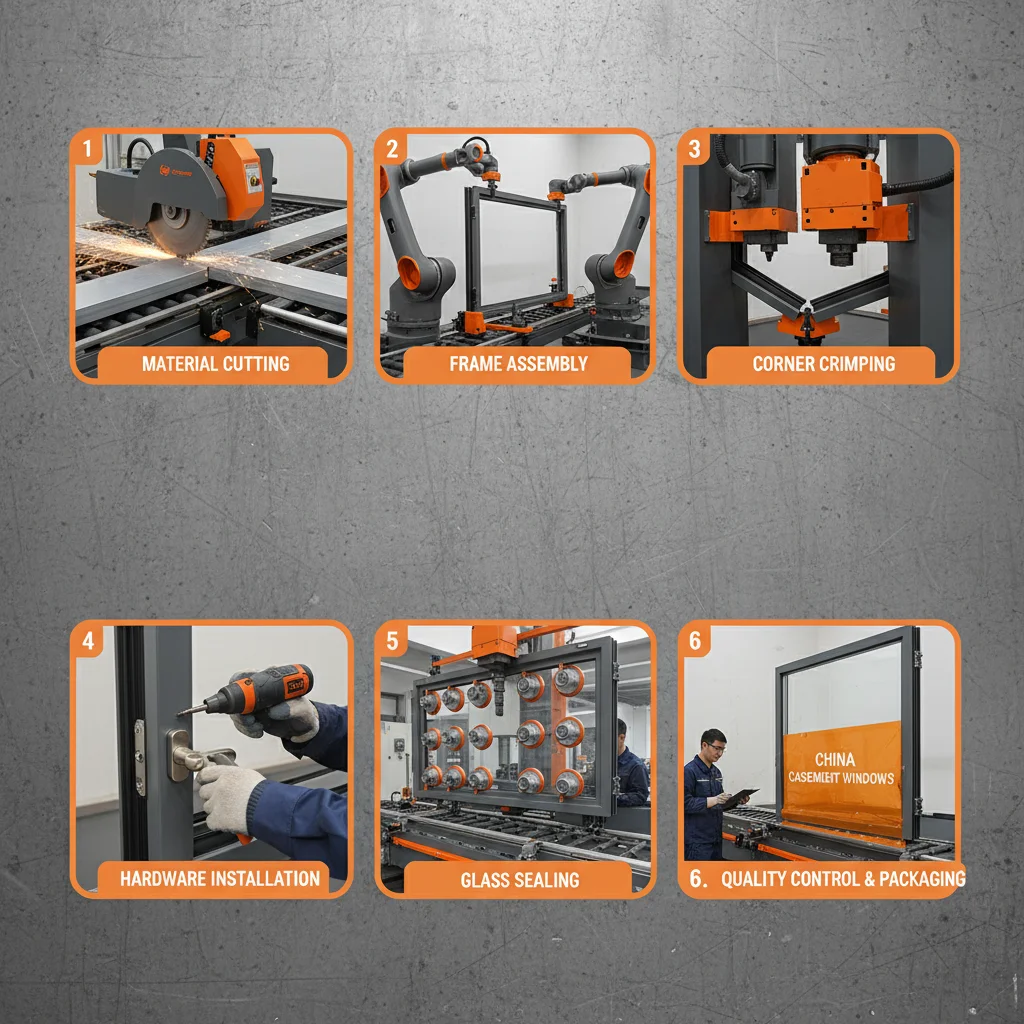
According to industrial data, the integration of automated assembly lines has reduced production errors by nearly 30%, allowing factories to meet the stringent tolerances required for airtight seals. This evolution addresses the critical challenge of urban heat islands and rising energy costs, providing the world with accessible, high-performance glazing solutions.
Defining the Role of a China Casement Window Factory
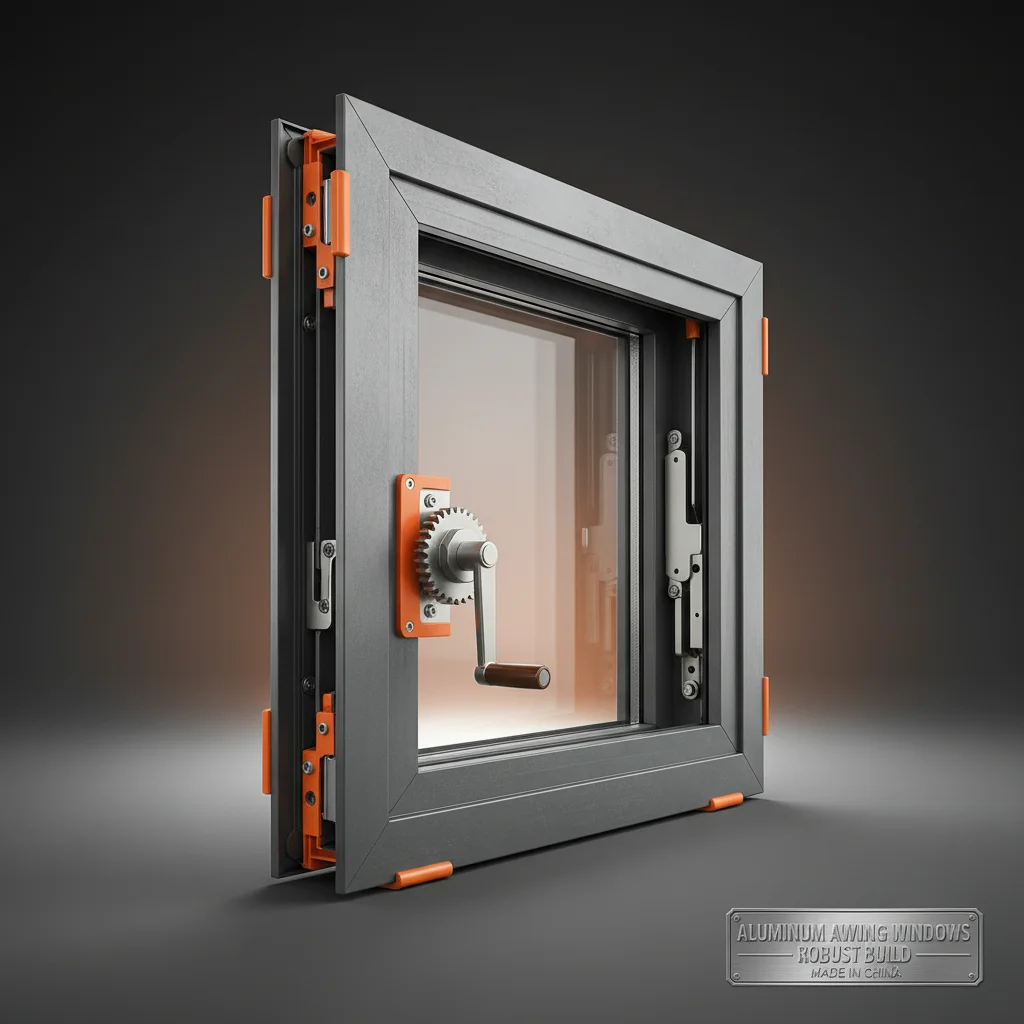
At its core, a China Casement Window Factory is more than just a production site; it is an engineering hub that transforms raw metal alloys and glass into sophisticated architectural elements. Unlike sliding windows, casement windows hinge at the side and open outward, requiring precision-engineered hardware to ensure they remain secure and weather-tight over decades of use.
These factories bridge the gap between conceptual architectural design and physical installation. By offering OEM and ODM services, they allow architects to specify custom profiles and thermal break technologies that are tailored to the specific climatic needs of the destination country, whether it be the humid tropics or the freezing tundra.
In the context of modern humanitarian and urban needs, these facilities provide the ability to mass-produce durable, low-maintenance windows that improve the quality of life for millions. The focus on structural metal products ensures that the windows can withstand high wind loads and seismic activity, making them a staple in resilient urban planning.
Core Components of High-End Casement Windows
Durability starts with the choice of materials. A professional China Casement Window Factory emphasizes the use of aerospace-grade aluminum or multi-chambered uPVC, which prevents the deformation of the frame under extreme temperature fluctuations.
The "Thermal Break" is perhaps the most critical innovation handled by a China Casement Window Factory. By inserting a polyamide strip between the interior and exterior aluminum profiles, the factory effectively stops the transfer of heat and cold, significantly reducing HVAC energy consumption.
Furthermore, the integration of EPDM gaskets and multi-point locking systems ensures that the window remains airtight. These components are rigorously tested in pressure chambers to ensure that moisture and wind infiltration are kept to an absolute minimum.
Performance Metrics and Cost Efficiency
When evaluating a partner, the balance between cost-efficiency and technical performance is paramount. A top-tier China Casement Window Factory employs lean manufacturing principles to strip away waste while investing heavily in R&D for glazing technology, such as Low-E coatings and argon-filled cavities.
This synergy allows for the production of windows that offer superior U-values (thermal transmittance) at a fraction of the cost of local European or American fabricators, without compromising on the longevity of the product.
Comparative Performance Ratings of Window Production Methods
Global Applications and Use Cases
The versatility of products from a China Casement Window Factory allows them to be deployed across diverse environments. In coastal regions of Florida or Australia, these windows are engineered with reinforced frames to withstand hurricane-force winds and salt-spray corrosion.
In contrast, for luxury residential projects in Northern Europe, the focus shifts toward triple-glazing and advanced thermal seals. By adapting the product line, these factories support everything from affordable housing initiatives to high-end architectural masterpieces.
Long-Term Value and Sustainability
Investing in products from a reputable China Casement Window Factory provides tangible long-term value through reduced operational costs. Higher thermal efficiency leads to lower electricity bills for heating and cooling, contributing to a smaller carbon footprint for the building.
Beyond the financial aspect, there is a psychological value in security and peace of mind. The use of reinforced locking mechanisms and tempered safety glass ensures that the home remains a sanctuary, protected from both intruders and environmental hazards.
Furthermore, the shift toward recyclable aluminum profiles demonstrates a commitment to the circular economy. Modern factories are now implementing closed-loop systems where scrap metal is reclaimed and reused, reducing the environmental impact of mining and smelting.
Future Trends in Window Manufacturing
The next frontier for any forward-thinking China Casement Window Factory is the integration of "Smart Glass" and IoT connectivity. Imagine windows that automatically tint based on the sun's intensity or integrate with home automation systems to optimize ventilation based on indoor air quality sensors.
Digital transformation is also reshaping the ordering process. BIM (Building Information Modeling) integration allows factories to receive 3D models directly from architects, ensuring a perfect fit and reducing on-site installation errors to near zero.
Sustainability will remain the primary driver, with a move toward vacuum-insulated glazing (VIG) which offers the insulation of a thick wall within the thickness of a single pane of glass. This innovation will redefine the standards of energy efficiency globally.
Technical Analysis of Manufacturing Standards by Product Type
| Product Variant |
Thermal Efficiency |
Wind Resistance |
Maintenance Level |
| Alu-Thermal Break Casement |
High (U-Value 1.2) |
Excellent |
Very Low |
| Premium uPVC Casement |
Very High (U-Value 0.9) |
Good |
Low |
| Slim-Line Steel Casement |
Moderate |
Superior |
Moderate |
| Wood-Aluminum Hybrid |
High |
Excellent |
Low |
| Double-Hung Casement Style |
Moderate |
Good |
Moderate |
| Impact-Resistant Casement |
High |
Maximum |
Very Low |
FAQS
The cost-effectiveness stems from vertically integrated supply chains and massive production scales. By sourcing raw aluminum and glass locally within China and utilizing high-automation CNC machinery, factories reduce labor costs and material waste, passing these savings on to the international buyer while maintaining high ISO quality standards.
The best way to ensure quality is to verify certifications such as CE, SGS, or NFRC. Additionally, requesting a factory audit or third-party inspection before shipment ensures that the thermal break technology and glass tempering meet your specific project requirements and local building codes.
Yes, most professional factories offer full ODM (Original Design Manufacturing) services. They can work from your CAD drawings to create bespoke profiles, custom colors using powder coating, and specific glass configurations to fit unique architectural openings.
While it varies by volume, a typical lead time is 30 to 60 days. This includes the time for profile extrusion, glass tempering, assembly, and rigorous quality testing. Shipping time will depend on the chosen freight method (Sea vs. Air).
Absolutely, provided you specify "Thermal Break" aluminum or uPVC profiles. These are specifically designed to prevent thermal bridging, and when paired with triple-pane argon-filled glass, they provide excellent insulation for regions with freezing winters.
Factories use heavy-duty reinforced wooden crates and foam padding to secure each unit. For large shipments, windows are often packed in custom-built steel frames to prevent shifting during maritime transit, ensuring they arrive in pristine condition.
Conclusion
In summary, partnering with a professional China Casement Window Factory offers a strategic advantage by combining high-end engineering, sustainable materials, and unmatched cost-efficiency. From the implementation of advanced thermal break technology to the ability to customize products for extreme climates, these factories are essential pillars in the global push toward greener, more durable architecture.
As we move toward a future of smart cities and net-zero emissions, the role of precision-manufactured fenestration will only grow. We recommend that developers and architects prioritize partners who embrace BIM integration and vacuum-glazing technologies to ensure their projects remain relevant and efficient for decades to come. Visit our website: www.xiaoanwindow.com