Advanced Thermal Break Aluminum window Solutions for Equatorial Guinea

Advanced Thermal Break Aluminum window Solutions for Equatorial Guinea

Premium architectural metal components engineered to withstand tropical humidity and enhance energy efficiency across Equatorial Guinea's urban landscapes.

Advanced Thermal Break Aluminum window Solutions for Equatorial Guinea

Integrating high-performance structural metal fabrication with climate-specific engineering to deliver durable, noise-reducing, and thermally efficient fenestration systems for the Gulf of Guinea region.

Current State of Metal Fenestration in Equatorial Guinea

Analyzing the challenges of tropical corrosion and urban noise pollution in Malabo and Bata.

In Equatorial Guinea, the construction sector is currently grappling with extreme humidity and high salinity levels due to the coastal geography. Traditional metal frames often suffer from rapid oxidation, leading to the urgent need for high-grade Aluminum Sliding Window systems that utilize advanced anodic oxidation to prevent corrosion.

Urbanization in cities like Malabo has increased ambient noise levels, driving a surge in demand for Sound insulation windows. Local contractors are shifting away from basic glass panes toward multi-layered acoustic glazing combined with precision-engineered aluminum structural frames.

Furthermore, the reliance on heavy air conditioning to combat the tropical heat has highlighted the inefficiency of standard frames. There is a growing market transition toward specialized aluminum sliding door systems that prioritize airtight seals to reduce thermal leakage and energy costs.
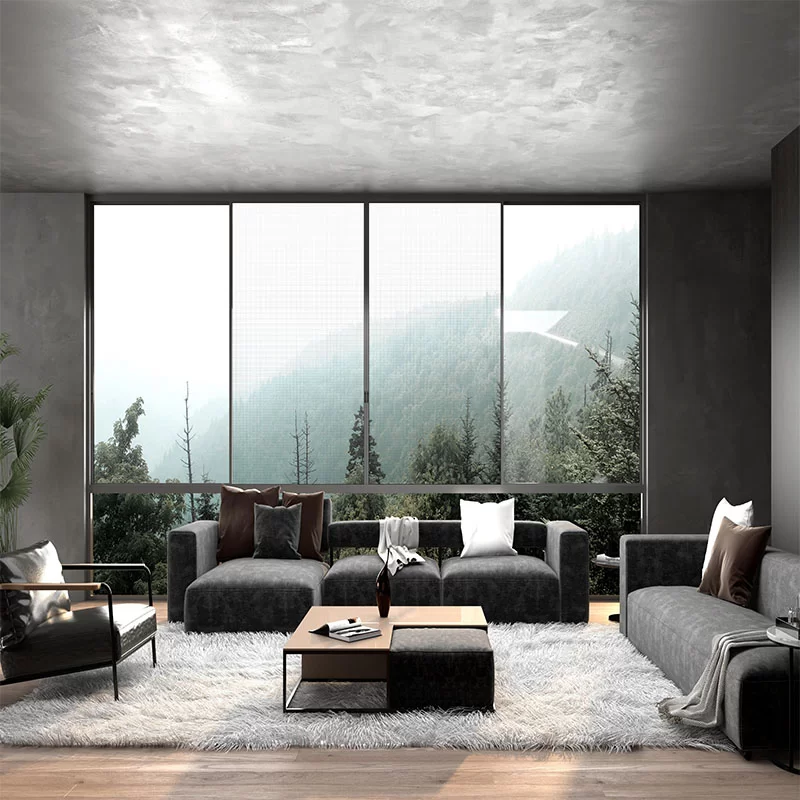
Evolution and Trajectory of Structural Metal Fabrication

From basic aluminum extrusions to intelligent thermal management systems.

Market Development History

From 2000 to 2010, the market was dominated by basic non-insulated aluminum frames and traditional Casement windows construction, which focused primarily on basic wind resistance but lacked thermal control.

Between 2011 and 2020, the introduction of European-standard extrusion technology allowed for the adoption of multi-chamber profiles, improving the structural integrity of residential and commercial buildings across the region.

Since 2021, the focus has shifted toward "Green Building" certifications, necessitating the use of polyamide strips and thermal breaks to decouple interior and exterior temperatures, marking the era of high-performance metal accessories.

Future Development Trends

Smart Glass Integration

Predictive data suggests a shift toward electrochromic glass integrated into aluminum frames to automatically adjust transparency based on the intense Equatorial Guinea sunlight.

Sustainable Alloy Sourcing

Increasing pressure for LEED certification will drive the adoption of recycled low-carbon aluminum alloys in structural components.

Precision Robotic Assembly

To reduce human error in sealing, the industry is moving toward CNC-precision fabrication for all sliding and casement systems.

Industry Trends and Future Outlook

Strategic directions for the next 3-5 years in the metal accessories sector.

Thermal Efficiency Optimization
Scaling the use of polyamide break technology to lower HVAC energy consumption in tropical climates.
Acoustic Engineering
Implementing multi-chambered profiles to combat urban noise in rapidly expanding city centers.
Anti-Corrosion Coatings
Transitioning to fluorocarbon (PVDF) spray coatings for maximum saltwater resistance.
Modular Installation
Adopting pre-fabricated unitized systems to speed up construction timelines.

Industry Outlook

Based on Google search trends for energy-efficient building materials in Africa, we anticipate a 25% increase in requests for thermally broken systems in Equatorial Guinea by 2027. This is driven by the rising cost of electricity and the governmental push for sustainable urban development.

The market is moving from "commodity-based" procurement to "performance-based" selection, where the U-value and decibel reduction ratings of aluminum profiles are the primary decision factors for high-end residential projects.

Localized Application Scenarios in Equatorial Guinea

Customized metal solutions for the diverse architectural needs of the region.

1. Luxury Coastal Villas in Malabo

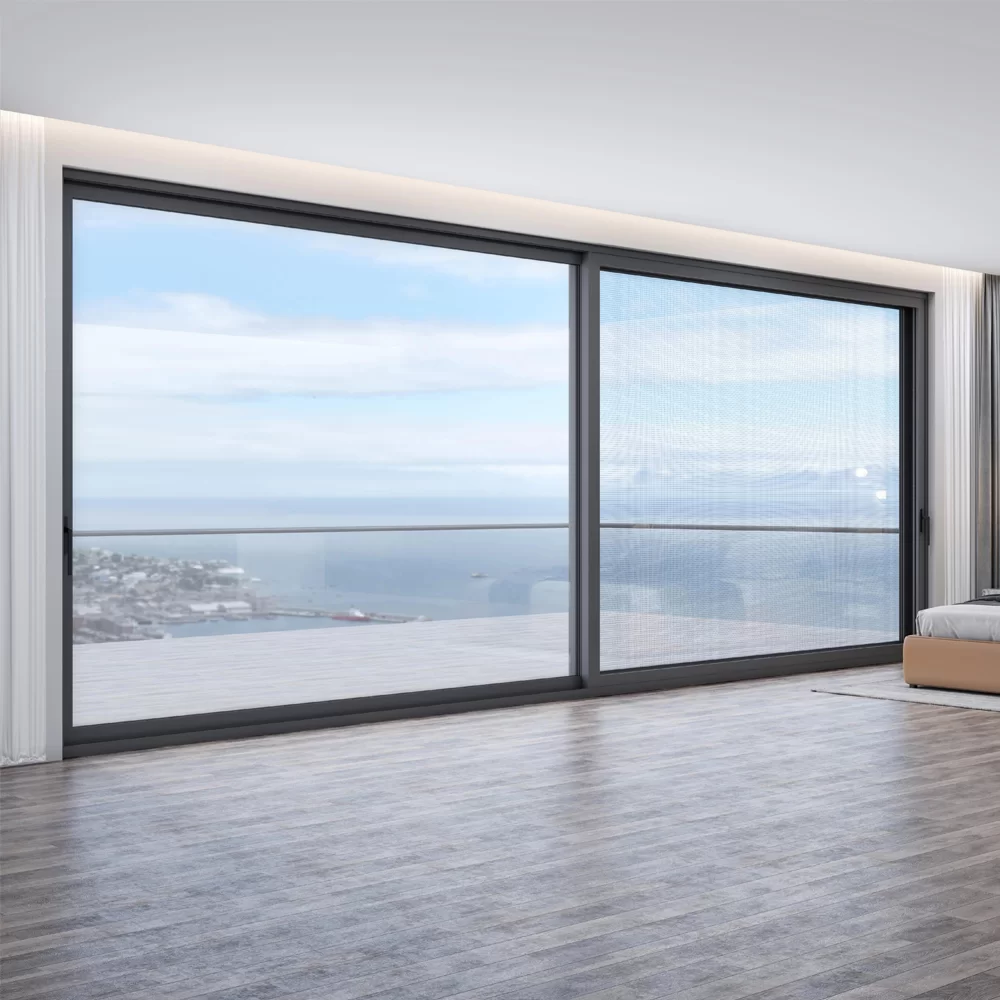
Implementation of high-grade Aluminum Sliding Window systems with saltwater-resistant PVDF coatings to ensure longevity against Atlantic ocean breezes.

2. Corporate Offices in the Financial District

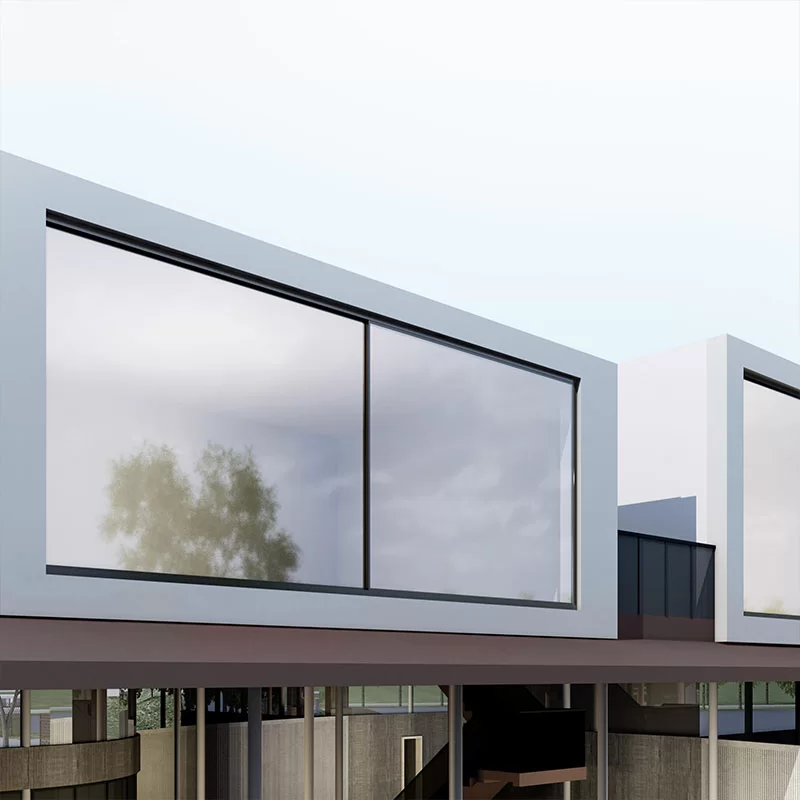
Utilizing large-scale Thermal Break Aluminum window walls to maintain indoor temperatures while maximizing natural light for productivity.

3. High-Density Residential Apartments in Bata

Installation of Sound insulation windows to shield residents from the noise of increasing urban traffic and commercial activity.

4. Government Administrative Buildings

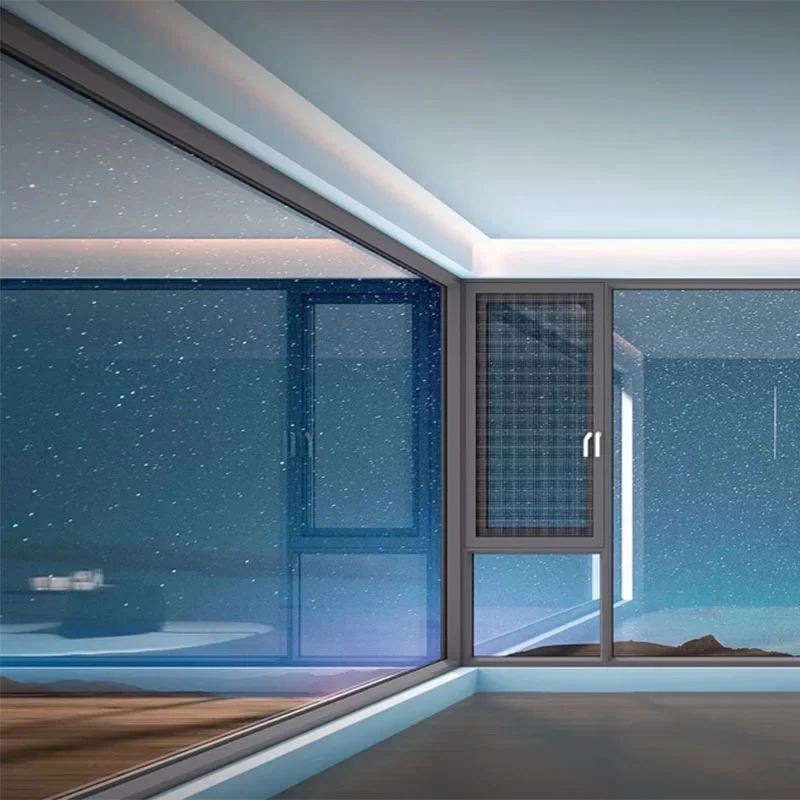
Integration of reinforced Casement windows construction for enhanced security and wind-load resistance during tropical storm seasons.

5. Modern Retail Centers

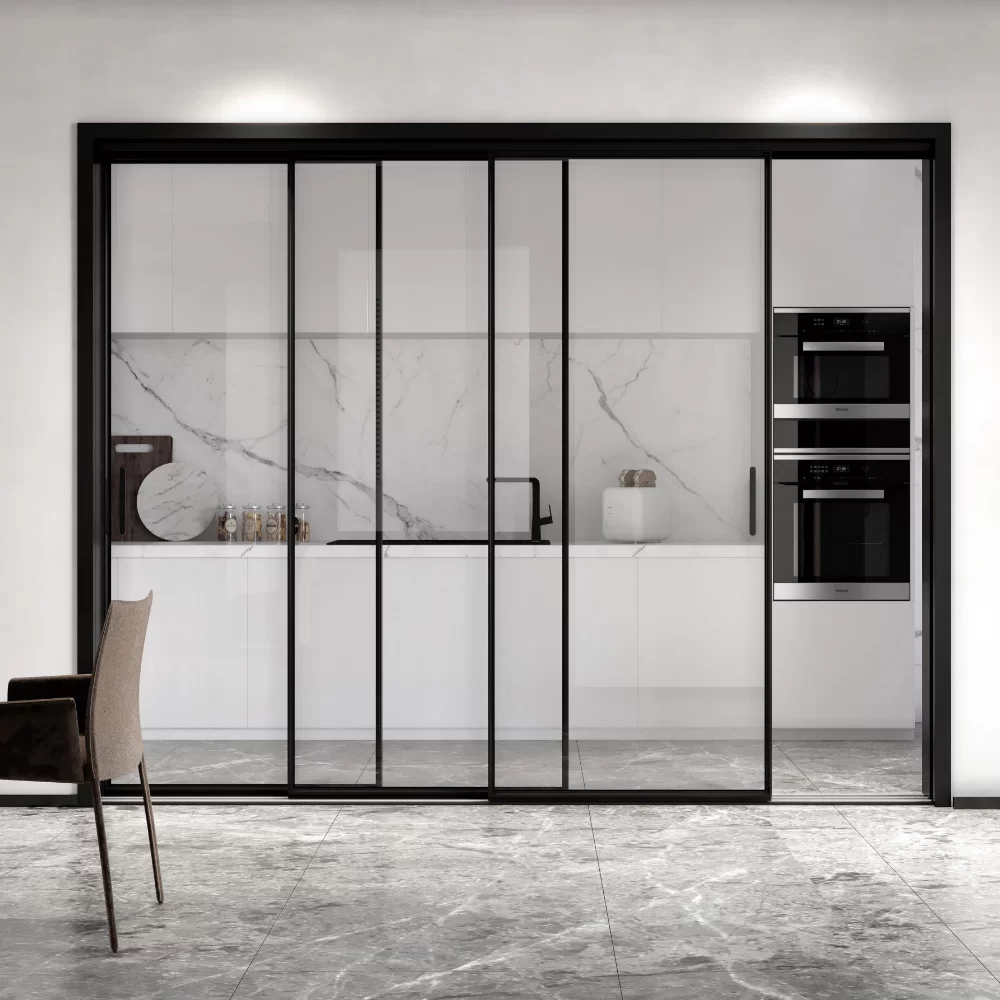
Deployment of seamless aluminum sliding door systems to create open-concept storefronts that resist warping in high humidity.

Brand Story

Global Development Journey of Shanghai Xiaoan Aluminum-Plastic Door and Window Co., Ltd.

Foundational Excellence

Established with a focus on precision aluminum extrusion, solving the early pain points of structural instability in residential frames.

Thermal Innovation

Developed proprietary thermal break technology to bridge the gap between metal durability and thermal insulation.

Global Market Expansion

Expanded operations to Africa, adapting product specifications to meet the rigorous demands of tropical and saline environments.

Quality Certification

Achieved international standards for air tightness and water penetration, ensuring reliability in storm-prone regions.

Sustainable Future

Committing to a circular economy by integrating recycled aluminum and eco-friendly coatings in all global shipments.

Comprehensive Product Portfolio for Equatorial Guinea

Engineering a full suite of metal accessories for every architectural requirement.

Common Technical Inquiries in Equatorial Guinea

Expert answers to local installation and material performance questions.

How do Thermal Break Aluminum window systems reduce cooling costs in Malabo?

By inserting a polyamide insulator between the inner and outer aluminum profiles, we stop the conductive heat transfer from the tropical sun into the interior, reducing the load on air conditioning systems.

What is the best Sound insulation windows configuration for urban areas in Bata?

We recommend a triple-glazed configuration with varying glass thicknesses combined with EPDM rubber seals to disrupt sound wave transmission effectively.

Can aluminum sliding door systems resist the high humidity of the Gulf of Guinea?

Yes, by using 6063-T5 grade aluminum with a minimum 20-micron anodic oxide layer or PVDF coating, our doors are specifically engineered to resist oxidation and pitting.

What are the key considerations for Casement windows construction in coastal regions?

Focus must be placed on the hardware quality; using 304 or 316 stainless steel hinges and locks is critical to prevent corrosion and ensure smooth operation.

How often should an Aluminum Sliding Window be maintained in a tropical climate?

We recommend cleaning the tracks and lubricating the rollers every six months to prevent salt buildup and ensure seamless sliding motion.

Are custom sizes available for large-scale structural metal projects in Equatorial Guinea?

Absolutely. Our CNC fabrication process allows for millimeter-precision custom sizing to fit any architectural opening, regardless of the project scale.

Ready to Upgrade Your Infrastructure?

Contact our engineering team for high-performance architectural metal solutions tailored for Equatorial Guinea.

Contact Us Now

If you are interested in our products, you can choose to leave your information here, and we will be in touch with you shortly.