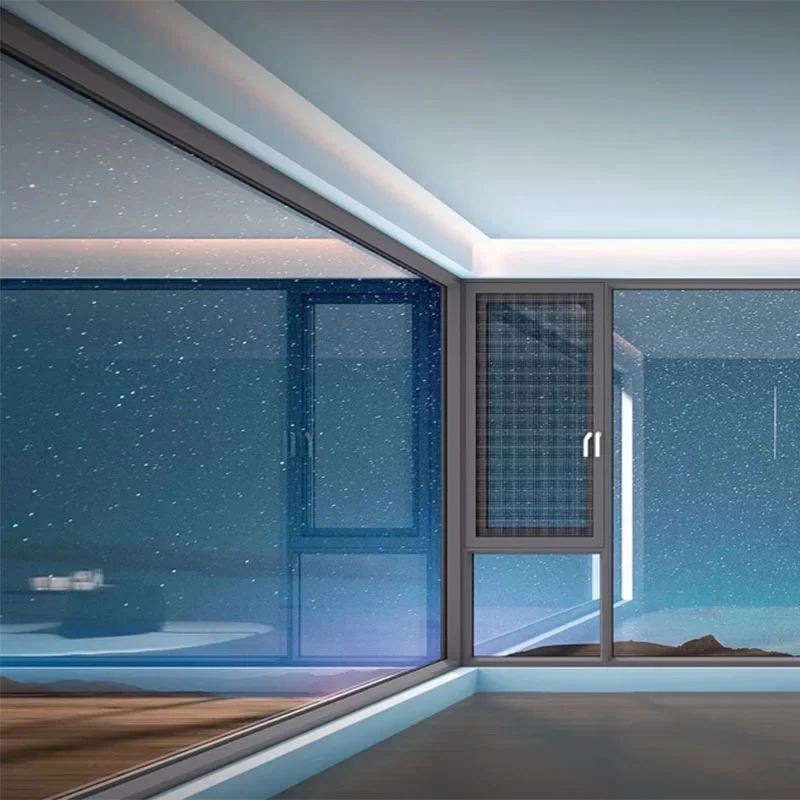
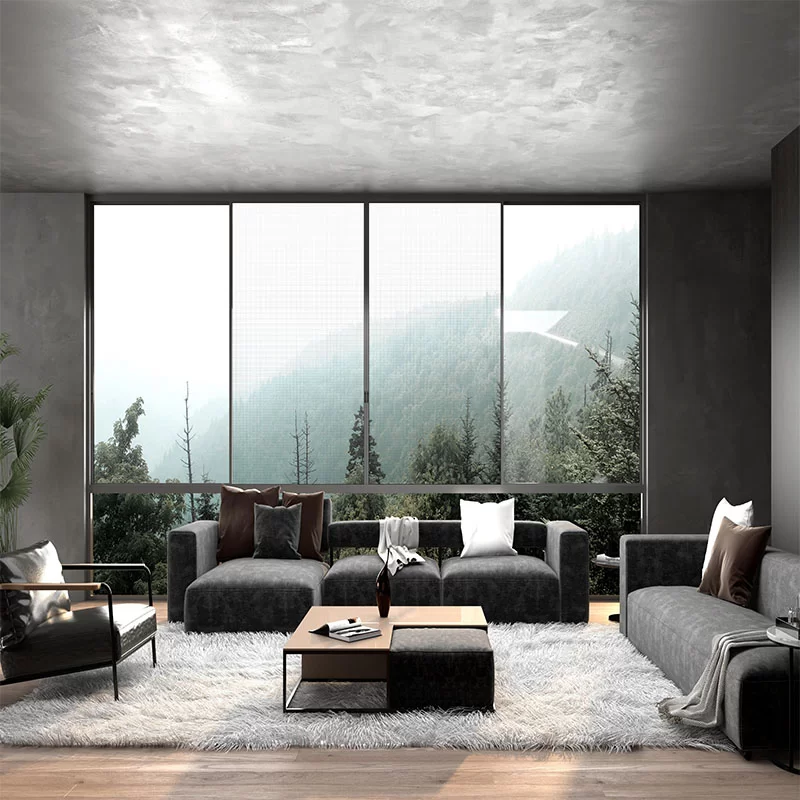
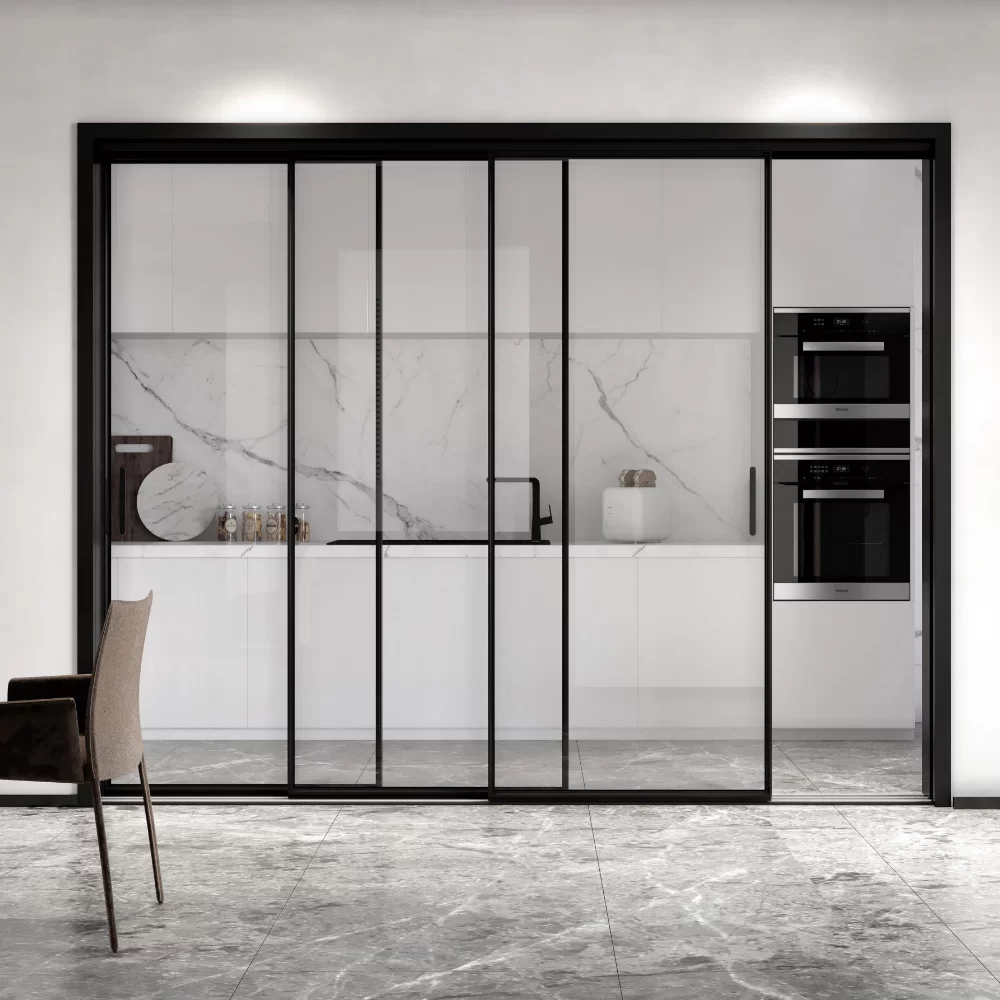
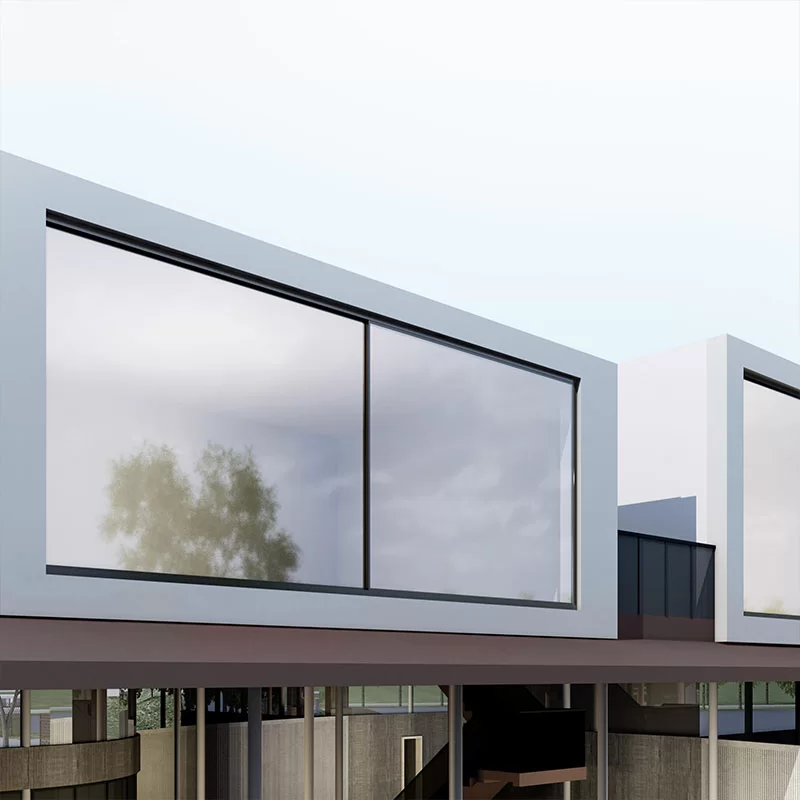
HighPerformance Thermal Break Aluminum window Solutions for Japan

High-Performance Thermal Break Aluminum window Solutions for Japan

Integrating advanced structural metal engineering to enhance energy efficiency and acoustic comfort in Japan's modern architectural landscape.

High-Performance Thermal Break Aluminum window Solutions for Japan

Our specialized structural aluminum systems are designed to meet the rigorous Japanese standards for durability, seismic resilience, and thermal insulation.

Market Landscape of Aluminum Fittings in Japan

Analyzing the intersection of urban density and extreme seasonal climate variations.

In the Japanese market, the demand for high-end structural metal products is driven by the unique combination of high urban density in cities like Tokyo and Osaka, and the diverse climate ranging from Hokkaido's freezing winters to Okinawa's humidity. This requires an aluminum sliding door that can withstand salt-spray corrosion in coastal areas while maintaining airtight seals.

The Japanese construction industry prioritizes "precision engineering." There is a significant shift toward Sound insulation windows to combat the noise pollution of dense metropolitan areas, ensuring a serene living environment through multi-chambered aluminum profiles and high-density gaskets.

Furthermore, strict energy-saving laws in Japan have made thermal efficiency a non-negotiable requirement. This has led to the widespread adoption of advanced break-bridge technologies in aluminum frames to prevent heat transfer, effectively reducing HVAC energy consumption in residential and commercial buildings.
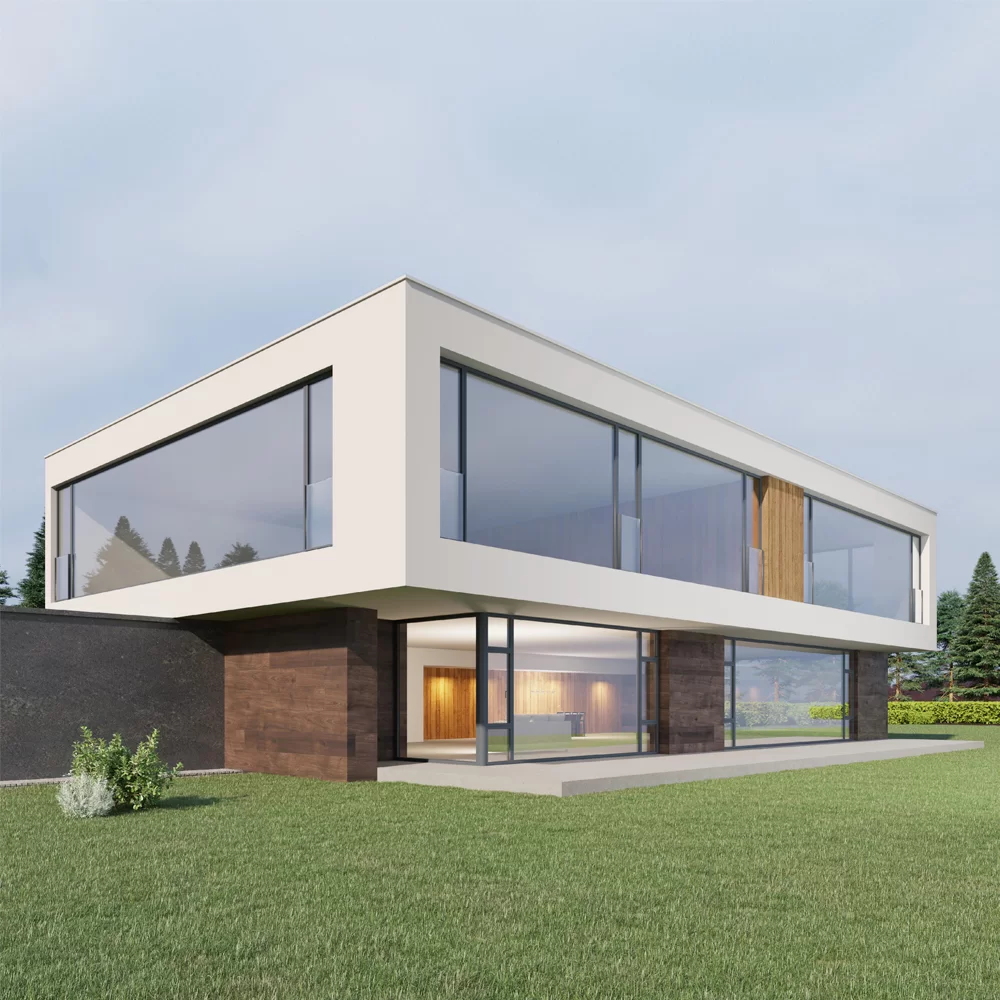
Evolution and Trajectory of Metal Fittings

From basic structural frames to intelligent thermal management systems.

Market Development History

During the late 20th century, the Japanese market relied heavily on single-skin aluminum frames which offered durability but poor thermal performance. The focus was primarily on structural integrity and resistance to seismic activity.

Entering the 2010s, the industry underwent a technical iteration, shifting toward the integration of polyamide strips. This era marked the rise of the Aluminum Sliding Window as a standard for energy-efficient urban apartments, blending slim profiles with improved insulation.

Today, the focus has evolved into "Total Environmental Control." Modern Casement windows construction now incorporates vacuum glazing and high-performance thermal breaks to meet the Net Zero Energy House (ZEH) standards pushed by the Japanese government.

Future Development Trends

Smart Glass Integration

Integration of electrochromic glass into aluminum frames to automatically adjust transparency based on Japan's intense summer sunlight.

Carbon-Neutral Aluminum

Shift toward "Green Aluminum" produced via hydroelectric power to satisfy the ESG requirements of major Japanese developers.

Automated Ventilation Systems

Development of hybrid systems that combine sliding mechanisms with automated air-exchange sensors to improve indoor air quality.

Industry Trends and Future Outlook

Anticipating the next 5 years of architectural metal evolution in Asia.

ZEH Standard Compliance
Alignment with Net Zero Energy House goals through superior thermal break technology.
Seismic Frame Optimization
Engineering flexible aluminum joints that maintain seal integrity during seismic shifts.
Ultra-Slim Aesthetics
Increasing the glass-to-frame ratio to maximize natural light in compact urban dwellings.
Smart-Lock Integration
Merging IoT security sensors directly into the aluminum profile for seamless home automation.

Industry Outlook

Based on search trend analysis, there is a growing volume of queries regarding "energy-saving renovations" in Japan. We predict that the retrofitting market for old aluminum frames will expand by 20% over the next 3 years.

The industry will move away from generic structural components toward customized, application-specific metal accessories that combine acoustic dampening with thermal stability, specifically for the high-end residential sector.

Localized Application Scenarios in Japan

Tailored structural solutions for Japan's diverse architectural needs.

01. Tokyo Metropolitan High-Rise Apartments

Deployment of Sound insulation windows to eliminate traffic noise from Shinjuku and Shibuya districts, ensuring a quiet interior.

02. Hokkaido Cold-Region Residences

Installation of heavy-duty thermal break profiles to prevent condensation and heat loss during sub-zero temperatures in Northern Japan.

03. Osaka Commercial Office Spaces

Utilizing wide-span aluminum sliding door systems to create seamless transitions between office interiors and balcony terraces.

04. Kyoto Traditional-Modern Hybrid Homes

Integrating Casement windows construction that mimics traditional wooden aesthetics while providing modern security and weatherproofing.

05. Coastal Okinawa Resorts

Applying marine-grade anodized finishes to aluminum frames to prevent salt-air corrosion in tropical seaside environments.

Brand Story

Global Development Journey of Shanghai Xiaoan Plastic-Aluminum Door and Window Co., Ltd.

Founding Vision

Established with a mission to solve the conflict between aluminum's conductivity and the need for thermal insulation in modern buildings.

Technical Breakthrough

Perfected the multi-layered break-bridge technology, enabling windows to maintain internal temperatures regardless of external extremes.

Asian Market Expansion

Entered the Japanese market by adapting our structural profiles to meet JAS (Japanese Agricultural Standards) and architectural codes.

Sustainability Pivot

Implemented a closed-loop recycling system for aluminum scrap, reducing the carbon footprint of every window produced.

Global Leadership

Recognized as a leading provider of structural metal accessories, blending precision engineering with environmental responsibility.

Complete Structural Aluminum Portfolio for Japan

Comprehensive range of high-performance fittings for residential and commercial architecture.

Frequently Asked Questions in Japan

Expert answers to the most common technical inquiries from our Japanese clients.

How do Sound insulation windows perform in dense Tokyo areas?

Our sound insulation systems utilize multi-chambered aluminum profiles and laminated glass to reduce external noise by up to 40dB, ideal for urban Japanese environments.

What is the lifespan of a Thermal Break Aluminum window in coastal Japan?

With our marine-grade powder coating and anodized finishes, our windows are designed to resist salt corrosion for over 20 years in coastal regions.

Are aluminum sliding door systems earthquake-resistant?

Yes, our frames are engineered with high-tensile aluminum alloys and flexible gaskets that allow for minor structural shifts without compromising the seal.

How does Casement windows construction improve energy efficiency?

Unlike sliding windows, casement designs create a tighter compression seal when closed, significantly reducing air leakage and improving thermal retention.

Can an Aluminum Sliding Window be customized for narrow Japanese spaces?

Absolutely. We offer ultra-slim profile options that maximize the view and light entry while fitting into the constrained dimensions of urban Japanese architecture.

What certifications do your aluminum fittings hold for the Japanese market?

Our products are manufactured according to ISO 9001 standards and undergo rigorous testing to ensure compatibility with local Japanese building codes.

Get a Custom Engineering Quote

Our experts are ready to provide technical consultation and customized aluminum solutions for your projects in Japan.

Contact Us Now

If you are interested in our products, you can choose to leave your information here, and we will be in touch with you shortly.