Premium Thermal Break Aluminum window Solutions for Germany

Premium Thermal Break Aluminum window Solutions for Germany

Engineering high-performance structural metal components to meet the rigorous energy efficiency and acoustic standards of the German architectural market.

Premium Thermal Break Aluminum window Solutions for Germany

Providing advanced structural aluminum systems tailored for the European climate, focusing on thermal insulation, structural integrity, and modern aesthetics.

The State of Aluminum Fenestration in Germany

Analyzing the intersection of German energy laws (GEG) and modern metal fabrication.

In Germany, the construction industry is heavily driven by the Gebäudeenergiegesetz (GEG), which mandates strict U-values for building envelopes. This has led to a massive surge in demand for Thermal Break Aluminum window systems that can prevent heat loss during harsh winters while maintaining structural slimness.

Furthermore, the urbanization of cities like Berlin and Munich has increased the necessity for Sound insulation windows. With increasing noise pollution in dense metropolitan areas, the ability of metal accessories to provide high decibel reduction is no longer a luxury but a technical requirement for residential permits.

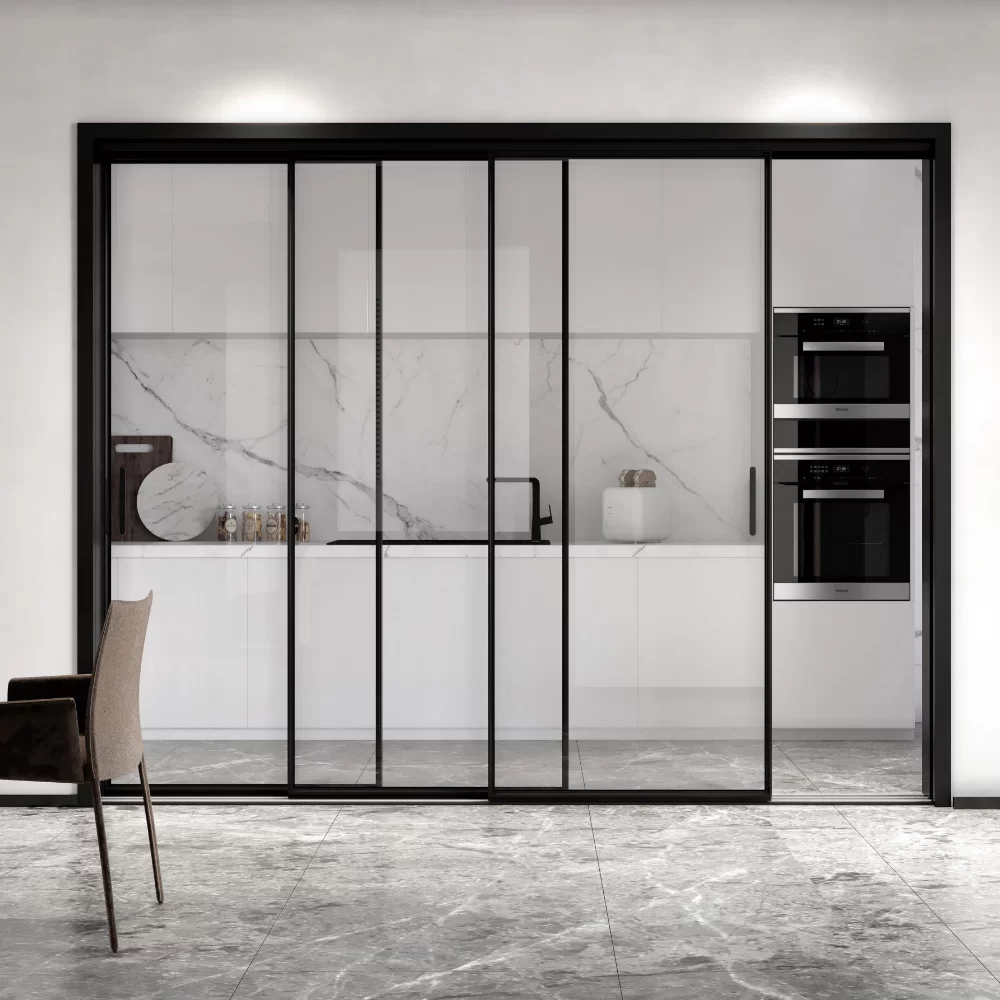
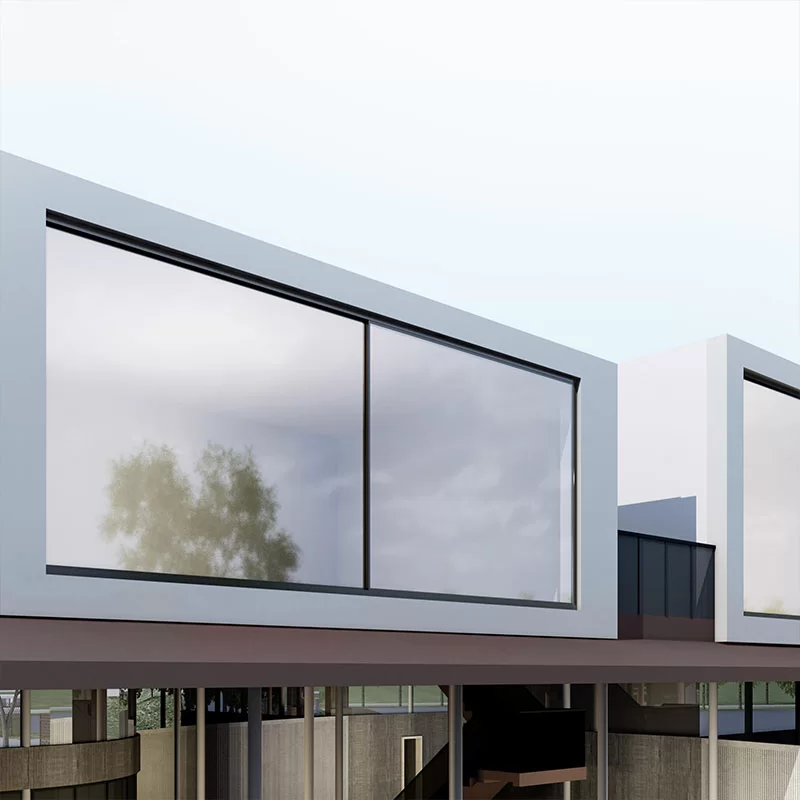
The German market currently favors a hybrid approach, combining the strength of aluminum with high-performance polyamide strips. This evolution ensures that Casement windows construction remains the standard for ventilation, while large-format sliding systems are adopted for luxury villas and commercial spaces.
Evolution of Structural Metal Components

From basic frames to intelligent thermal barriers.

Market Development History

During the 1990s, the German market relied heavily on PVC or basic aluminum profiles. However, these suffered from significant thermal bridging, leading to condensation and energy inefficiency in colder regions.

By the 2010s, the industry shifted toward advanced polyamide thermal breaks. This period saw the refinement of Aluminum Sliding Window technology, moving from simple sliding mechanisms to high-precision lift-and-slide systems that improved airtightness.

Today, the focus has shifted to "System Integration." Modern fabrication now integrates smart sensors and vacuum glazing into the metal frame, ensuring that every aluminum sliding door functions as a high-efficiency energy valve for the building.

Future Development Trends

Circular Economy and Green Aluminum

Driven by EU mandates, the next 3-5 years will see a transition toward 100% recycled aluminum profiles to reduce the carbon footprint of structural components.

Integration of Smart Glass Logic

We anticipate the integration of electrochromic glass within aluminum frames, allowing German homeowners to control solar gain dynamically.

Ultra-Slim Profiles with High Load Capacity

Search trends indicate a growing preference for "invisible" frames that offer maximum transparency without compromising the structural stability of the window unit.

Industry Trends and Future Outlook

Mapping the trajectory of high-end metal accessories for the European market.

Net-Zero Carbon Fabrication
Implementation of low-carbon smelting processes to meet German environmental certifications.
Acoustic Precision Engineering
Advanced gasket designs and multi-chamber profiles to optimize sound attenuation.
IoT-Integrated Frames
Embedding sensors for automatic ventilation and security within the metal structure.
High-Performance Thermal Breaks
New composite materials reducing heat transfer by an additional 15% over current standards.

Industry Outlook

The German metal accessories market is evolving toward a "Performance-First" logic. We observe that architects are increasingly requesting customized profiles that blend the industrial strength of aluminum with the thermal properties of advanced polymers.

As energy prices fluctuate, the demand for precision-engineered metal components that guarantee a perfect seal will drive the market toward more automated fabrication and stricter quality control (DIN standards).

Localized Application Scenarios in Germany

Practical implementations of our metal solutions in German architectural contexts.

01. Urban Apartments in Frankfurt

Installing Sound insulation windows in high-rise residential units to mitigate traffic noise and financial district hubbub.

02. Modern Villas in Bavaria

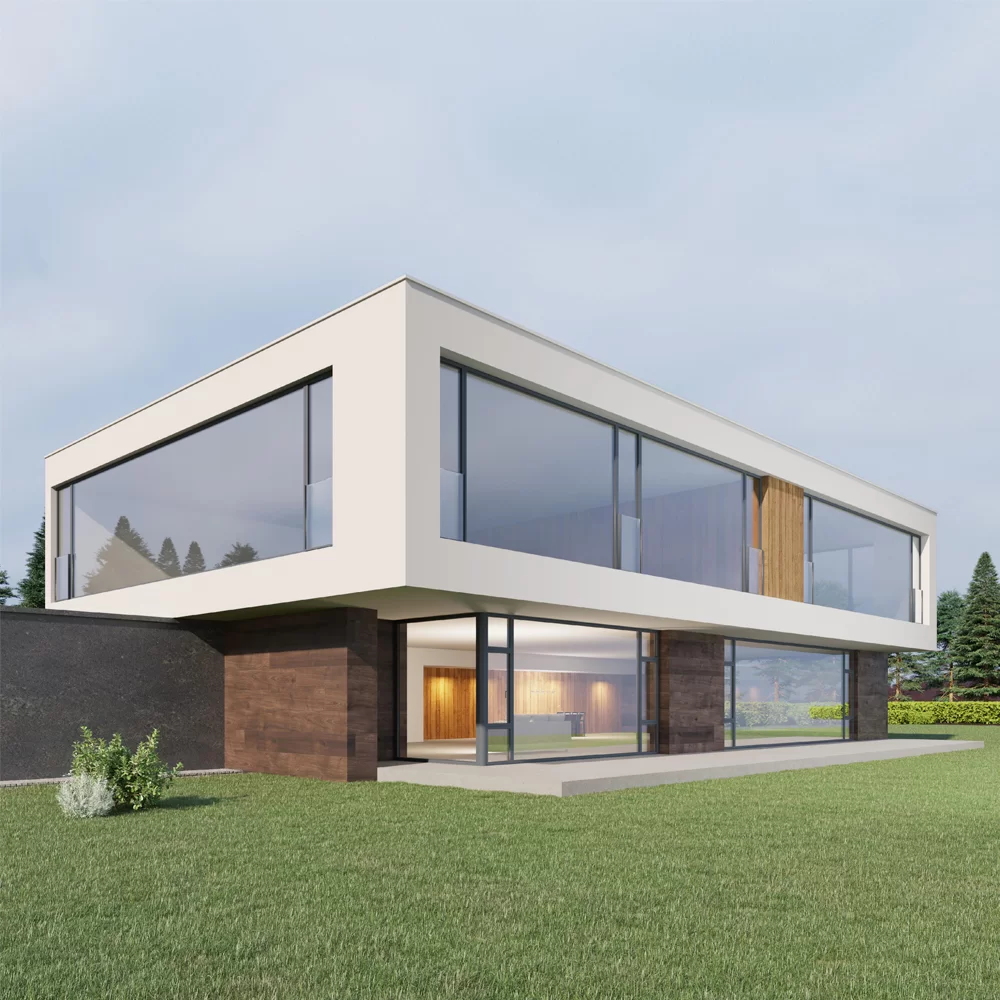
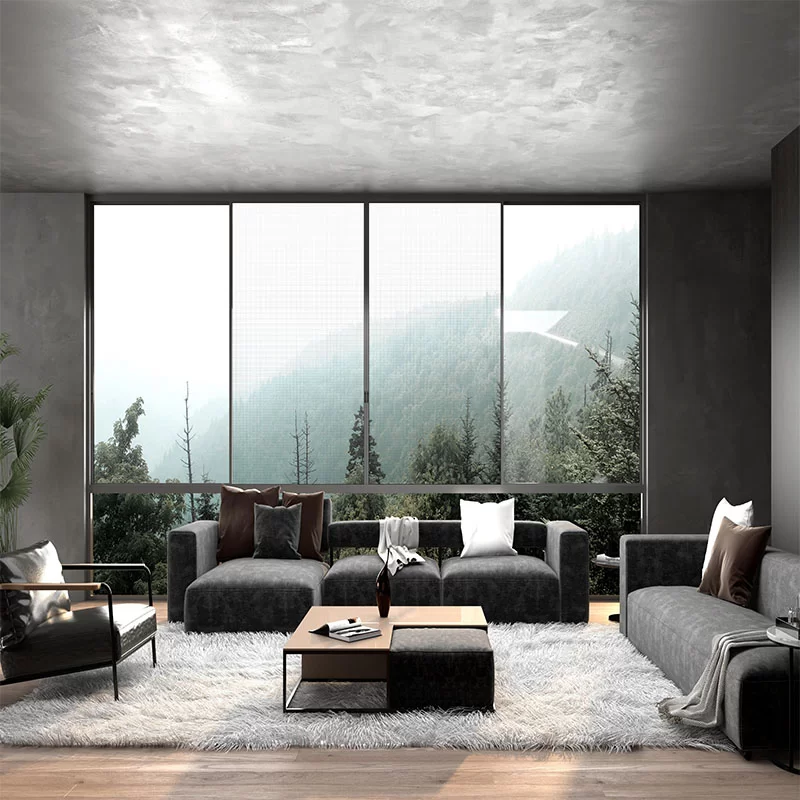
Deploying expansive aluminum sliding door systems to merge interior living spaces with alpine landscapes while maintaining thermal efficiency.

03. Energy-Efficient Renovation in Hamburg

Replacing outdated frames with Thermal Break Aluminum window units to meet new municipal energy efficiency mandates.

04. Commercial Office Hubs in Berlin

Implementing high-load Casement windows construction for superior ventilation and natural light in sustainable co-working spaces.

05. Luxury Penthouses in Munich

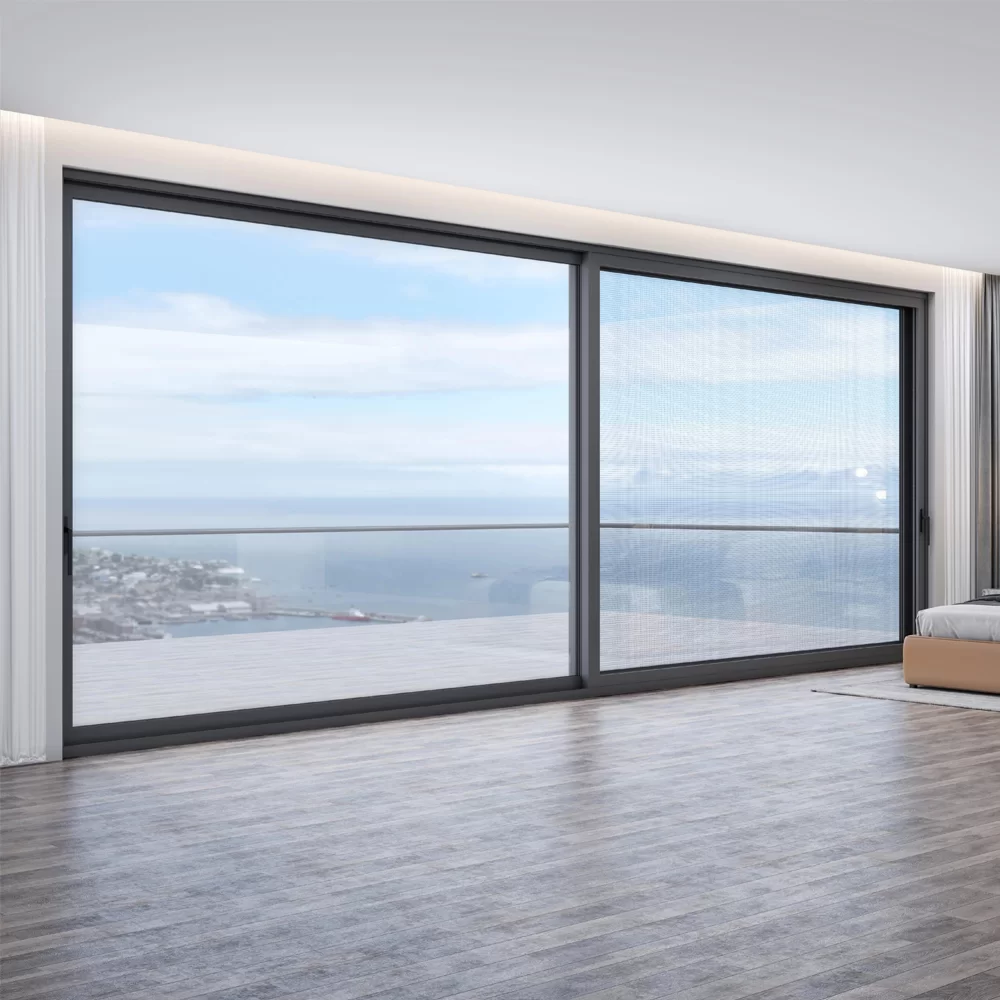
Integrating minimal-frame Aluminum Sliding Window systems to provide panoramic city views without compromising on winter insulation.

Brand Story

Global Development Journey of Shanghai Xiaoan Plastic Aluminum Door and Window Co., Ltd.

Foundational Engineering

Started with a mission to solve the fundamental conflict between structural strength and thermal conductivity in aluminum profiles.

Technical Breakthroughs

Developed proprietary thermal break technology that surpassed standard industry benchmarks for heat transfer coefficients.

European Market Entry

Aligned our manufacturing processes with EU DIN standards to enter the rigorous German architectural market.

Sustainability Pivot

Invested in green aluminum sourcing and recyclable material science to support the global shift toward net-zero construction.

Global Leadership

Now a trusted partner for structural metal accessories, providing integrated solutions for high-end fenestration worldwide.

Complete Metal Fenestration Portfolio for Germany

A comprehensive range of structural accessories designed for the European climate.

Frequently Asked Questions in Germany

Technical insights into our structural metal products.

How do Thermal Break Aluminum window systems meet German GEG standards?

Our systems utilize high-density polyamide strips that effectively decouple the inner and outer aluminum profiles, significantly reducing the U-value to comply with the strictest energy laws in Germany.

What is the noise reduction capability of your Sound insulation windows?

Depending on the glass configuration and profile thickness, our sound insulation systems can reduce external noise by 35dB to 45dB, making them ideal for urban German city centers.

Are aluminum sliding door systems suitable for extreme winter temperatures?

Yes, our sliding systems feature multi-point locking and EPDM gaskets that ensure a hermetic seal, preventing drafts and heat loss even in sub-zero temperatures.

What are the advantages of Casement windows construction over tilt-and-turn?

While tilt-and-turn is common in Germany, our specialized casement construction focuses on maximum airtightness and structural rigidity for high-wind areas.

How is the durability of an Aluminum Sliding Window compared to PVC?

Aluminum offers far superior structural stability and does not warp under UV exposure or temperature fluctuations, ensuring a longer lifespan for large-span openings.

Can these structural metal components be customized for historical building renovations?

Absolutely. We provide custom profile widths and finishes that maintain the aesthetic integrity of historical facades while introducing modern thermal performance.

Request Technical Consultation

Connect with our engineering team for customized structural metal solutions tailored for your projects in Germany.

Contact Us Now

If you are interested in our products, you can choose to leave your information here, and we will be in touch with you shortly.