HighPerformance Thermal Break Aluminum window Solutions for Norway

High-Performance Thermal Break Aluminum window Solutions for Norway

Engineering sustainable, energy-efficient, and weather-resistant architectural metal components tailored for the rigorous Scandinavian climate.

High-Performance Thermal Break Aluminum window Solutions for Norway

Integrating precision structural metal manufacturing with advanced thermal insulation to meet Norway's strict TEK17 building regulations and sustainability goals.

The Current Landscape of Metal Fenestration in Norway

Adapting structural metal components to extreme Nordic temperatures and coastal salt spray.

In Norway, the architectural demand is heavily skewed toward high-performance materials capable of withstanding rapid temperature fluctuations and heavy precipitation. The prevalence of Sound insulation windows has grown significantly in urban hubs like Oslo and Bergen, where noise pollution from expanding infrastructure meets the need for interior tranquility.

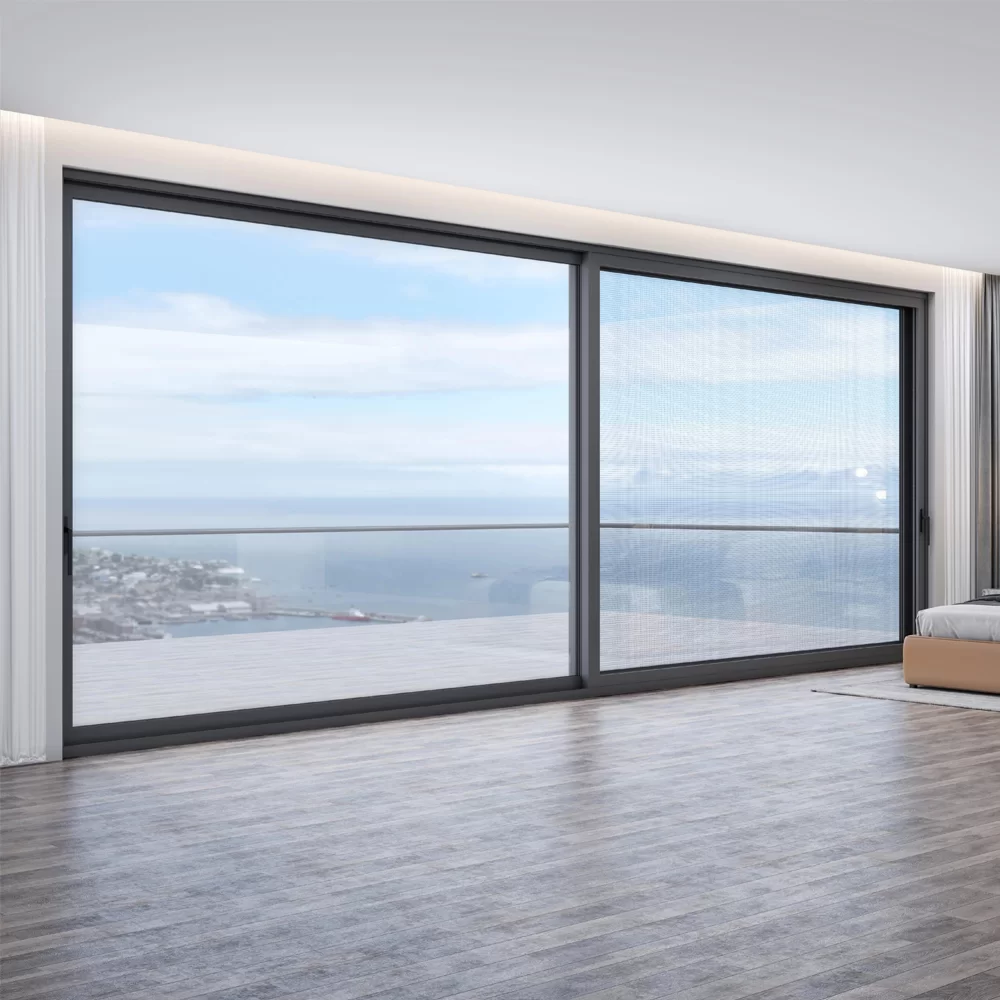
The regional market is currently transitioning away from traditional timber-only frames toward hybrid and high-grade aluminum systems. An aluminum sliding door must now provide more than just aesthetic value; it must offer an airtight seal to prevent heat loss during the polar winter, making precision-engineered metal accessories indispensable.

Furthermore, the strict Norwegian energy efficiency standards have pushed the industry toward maximizing U-values. This has led to a surge in the adoption of advanced Casement windows construction techniques that emphasize structural rigidity and multi-chambered thermal breaks to eliminate cold bridges.

Evolution and Technical Trajectory of Norwegian Metal Windows

From basic weatherproofing to intelligent thermal management systems.

Market Development History

Prior to the 2000s, the Norwegian market relied heavily on heavy timber frames. However, around 2010, the shift toward "Low-E" glass and reinforced metal frames began as the government tightened energy codes, necessitating the introduction of more robust Aluminum Sliding Window systems that could handle wind loads in fjord regions.

Between 2015 and 2020, the focus shifted to "Material Intelligence." The industry moved from simple aluminum extrusions to complex thermal-break technologies. This era saw the standardization of polyamide strips within frames to decouple the interior and exterior metal surfaces, drastically reducing condensation.

From 2021 to the present, the trajectory has moved toward holistic "Building Envelope" integration. Modern construction now treats windows not as holes in the wall, but as active thermal barriers, combining high-density gaskets with precision-milled aluminum profiles for maximum airtightness.

Future Development Trends

Carbon-Neutral Aluminum Sourcing

Driven by Norway's green energy leadership, the next 3 years will see a mandatory shift toward "Green Aluminum" produced via hydropower, reducing the embodied carbon of structural metal components.

Smart Vacuum Glazing Integration

We predict a transition from triple-pane to vacuum-insulated glazing integrated into slim aluminum profiles, providing the thermal performance of a thick wall with the aesthetics of a thin frame.

IoT-Driven Ventilation Control

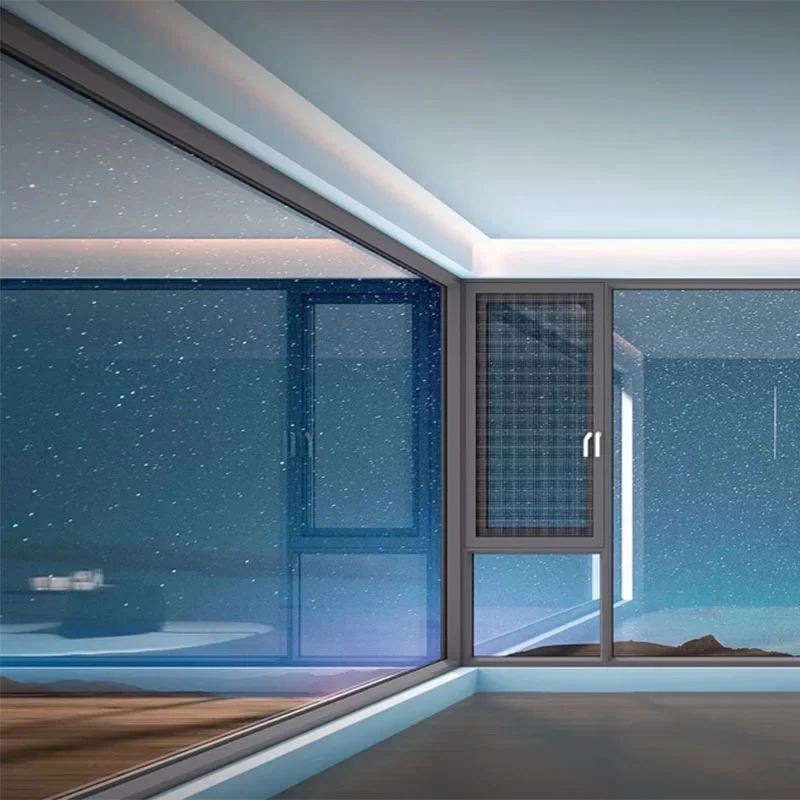
Integration of automated sensors within casement systems to optimize natural ventilation based on indoor CO2 levels and outdoor Nordic weather patterns.

Industry Trends and Future Outlook

Strategic shifts in structural metal manufacturing for the Scandinavian market.

Ultra-Low U-Value Engineering
Pushing the boundaries of thermal conductivity to achieve passive house standards in arctic conditions.
Coastal Corrosion Resistance
Advanced anodizing and fluorocarbon coatings to resist saltwater erosion along the Norwegian coastline.
Acoustic Comfort Optimization
Developing multi-layer sound damping systems for urban residential high-rises in Oslo.
Circular Economy Integration
Designing for disassembly to ensure 100% recyclability of aluminum components at end-of-life.

Industry Outlook

The future of the Norwegian window industry is inextricably linked to the "Green Shift." Google search trends indicate a rising demand for "BREEAM-certified" materials, suggesting that structural metal components must now provide documented Life Cycle Assessments (LCA).

We anticipate a convergence of structural engineering and digital fabrication. Using BIM (Building Information Modeling) data, window frames will be custom-milled to the millimeter, eliminating installation errors and ensuring a perfect thermal seal for every unique Norwegian architectural project.

Localized Application Scenarios in Norway

Real-world deployments of structural metal components in diverse Norwegian environments.

1. Urban Residential Noise Mitigation in Oslo

Implementing high-performance Sound insulation windows in apartment complexes near the Central Station to reduce traffic noise while maintaining energy efficiency.

2. Waterfront Villas in the Lofoten Islands

Utilizing marine-grade aluminum sliding door systems with reinforced wind-load resistance to withstand extreme Atlantic storms.

3. Modern Cabin (Hytte) Construction in Geilo

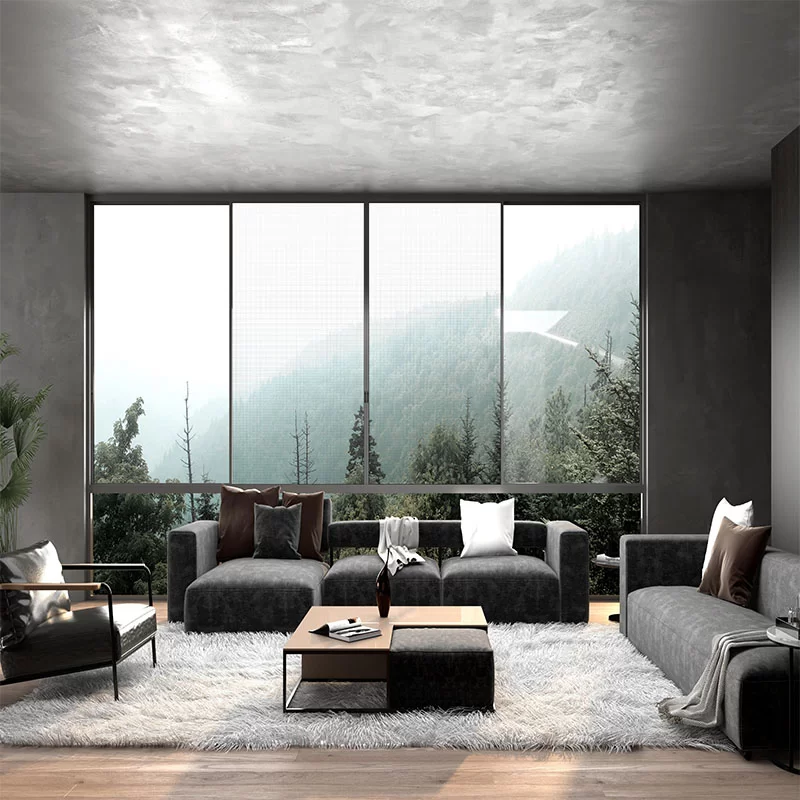
Installing specialized Thermal Break Aluminum window units to keep interiors warm during sub-zero alpine winters without compromising the minimalist aesthetic.

4. Public Infrastructure in Tromsø

Applying industrial-scale Casement windows construction for government buildings, focusing on maximum airtightness to combat Arctic drafts.

5. Commercial Retail Spaces in Bergen

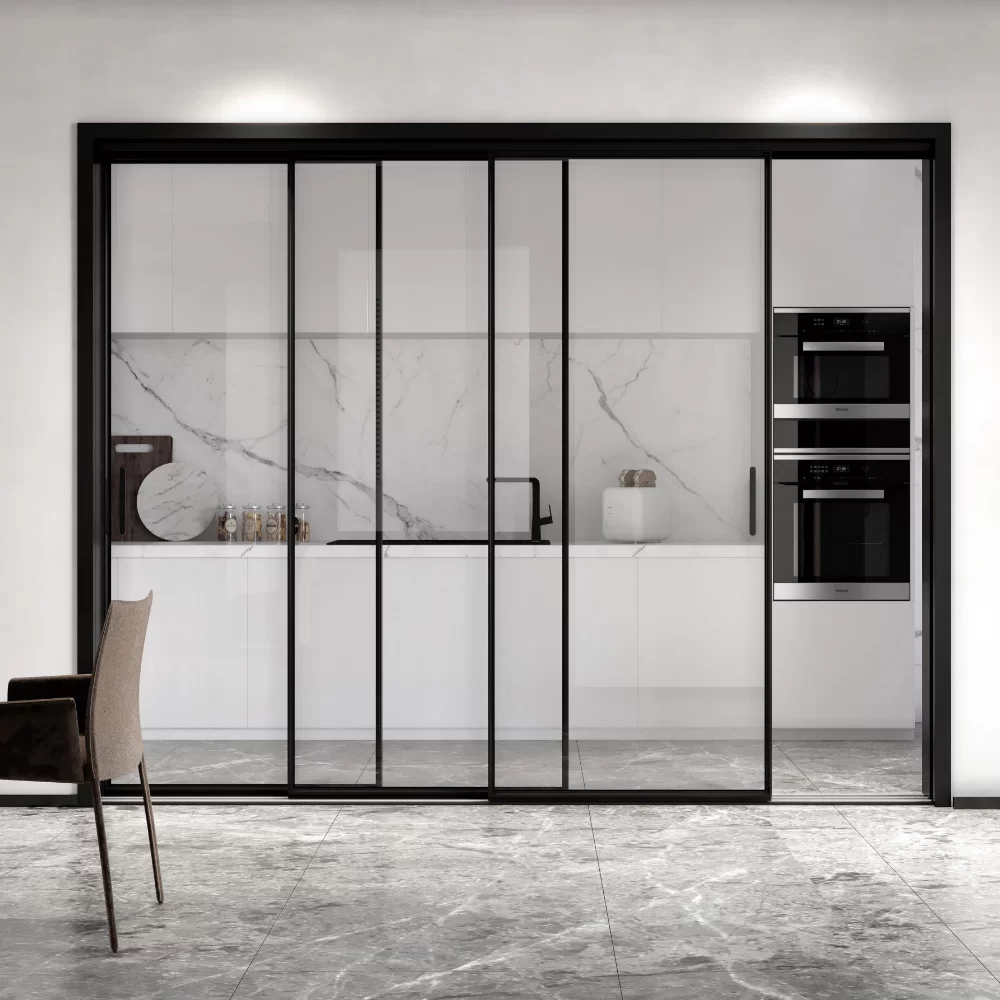
Deploying large-span Aluminum Sliding Window systems that allow natural light into commercial interiors while resisting the high humidity of the rainy city.

Brand Story

Global Development Journey of Shanghai Xiaoan Plastic Aluminum Door and Window Co., Ltd.

Founding and Precision Focus

Established with a mission to solve the core failure of thermal leakage in metal frames, we began by mastering high-precision aluminum extrusion for structural stability.

Technological Breakthroughs

Developed proprietary thermal-break bonding techniques that eliminated the common "cold bridge" effect, paving the way for expansion into colder climates like Northern Europe.

European Market Entry

Adapted our manufacturing lines to meet EU and Scandinavian standards, focusing on the rigorous durability and energy requirements of the Norwegian construction sector.

Sustainability Pivot

Integrated recycled aluminum and eco-friendly powder coatings into our supply chain to align with the global movement toward carbon neutrality.

Global Engineering Leader

Today, we provide end-to-end structural metal solutions, bridging the gap between industrial strength and architectural elegance for a global clientele.

Comprehensive Fenestration Portfolio for the Norway Market

A curated selection of metal accessories and window systems designed for extreme efficiency.

Common Questions Regarding Metal Windows in Norway

Technical insights to help you choose the right structural metal solutions.

How do Sound insulation windows perform against Norwegian winter wind noise?

Our sound-insulating systems use multi-chambered aluminum profiles and laminated acoustic glass, which not only block urban noise but also prevent the whistling effect caused by high-velocity wind currents common in coastal Norway.

Are aluminum sliding door systems airtight enough for Arctic regions?

Yes, by utilizing high-density EPDM gaskets and a precision-engineered lift-and-slide mechanism, our doors create a compression seal that prevents air infiltration, meeting strict Norwegian energy standards.

What makes a Thermal Break Aluminum window essential for Nordic homes?

Aluminum is naturally conductive. A thermal break (usually polyamide) interrupts the heat flow between the exterior and interior, preventing condensation and reducing heating costs by up to 30%.

Is Casement windows construction better than sliding options for heavy rain?

In regions like Bergen, casement designs are often preferred because their closing mechanism presses the sash firmly against the seal, providing superior water-tightness compared to traditional sliders.

Can an Aluminum Sliding Window withstand salt spray in coastal areas?

Our systems undergo a rigorous anodizing process and are finished with a high-grade architectural coating that prevents oxidation and corrosion from saltwater exposure.

What is the expected lifespan of structural metal window accessories in Norway?

With our precision-milled aluminum and stainless steel hardware, our systems are designed for a 30+ year lifecycle, requiring minimal maintenance even under extreme thermal stress.

Request a Technical Consultation

Partner with the leaders in structural metal manufacturing to optimize your next architectural project in Norway.

Contact Us Now

If you are interested in our products, you can choose to leave your information here, and we will be in touch with you shortly.