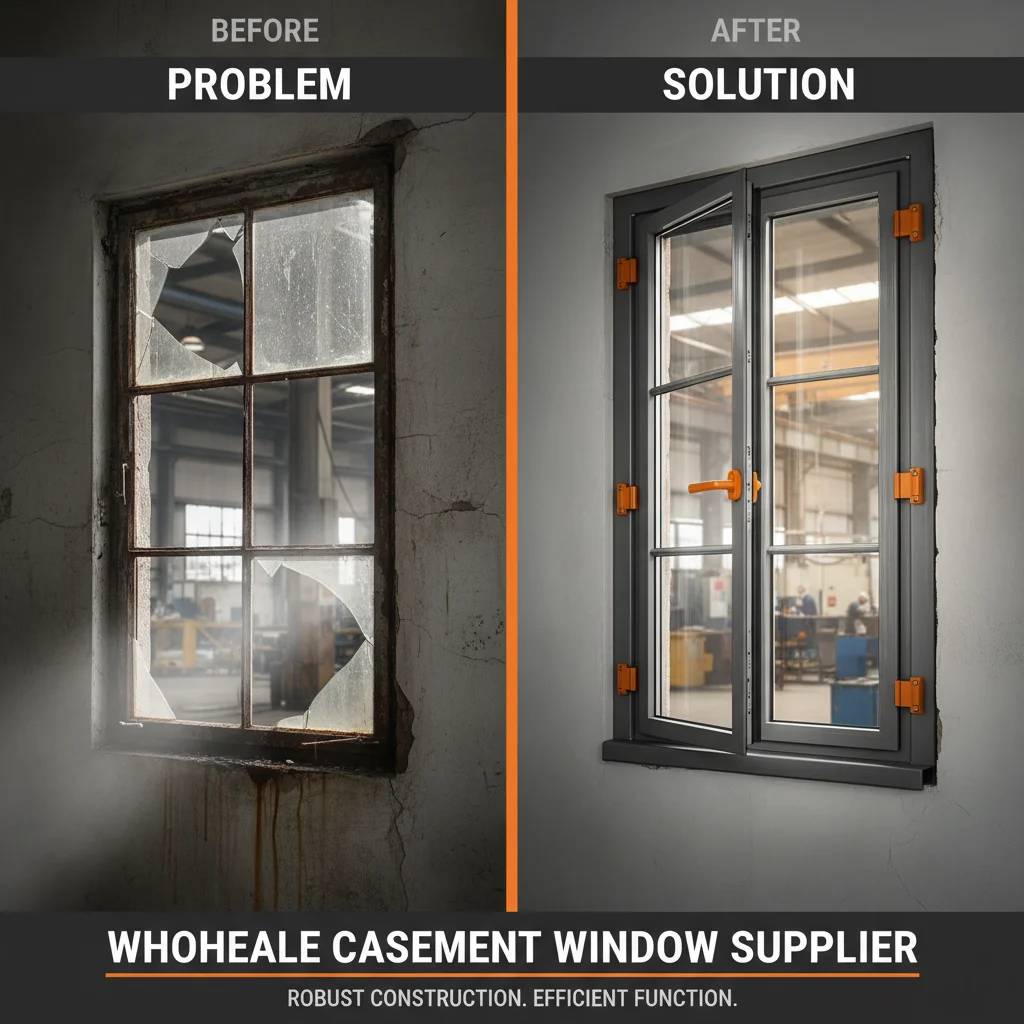
Finding a reliable partner among Wholesale Casement Window Factories is a critical decision for developers, architects, and construction firms aiming to balance aesthetic appeal with structural integrity. In the modern architectural landscape, casement windows are prized for their superior ventilation and airtight seals, making them a staple in both luxury residential and high-performance commercial projects globally.
The global shift toward energy-efficient building envelopes has placed immense pressure on manufacturing hubs to innovate. For those sourcing in bulk, the challenge lies in identifying factories that can scale production without compromising on the precision of the hinges, the quality of the glazing, or the durability of the frames, which are the hallmarks of a premium casement system.
Understanding the operational standards of leading Wholesale Casement Window Factories allows procurement managers to optimize their supply chains, reduce lead times, and ensure that every unit installed meets strict international building codes. By bridging the gap between industrial capacity and architectural precision, these factories empower the construction industry to build safer, more sustainable environments.
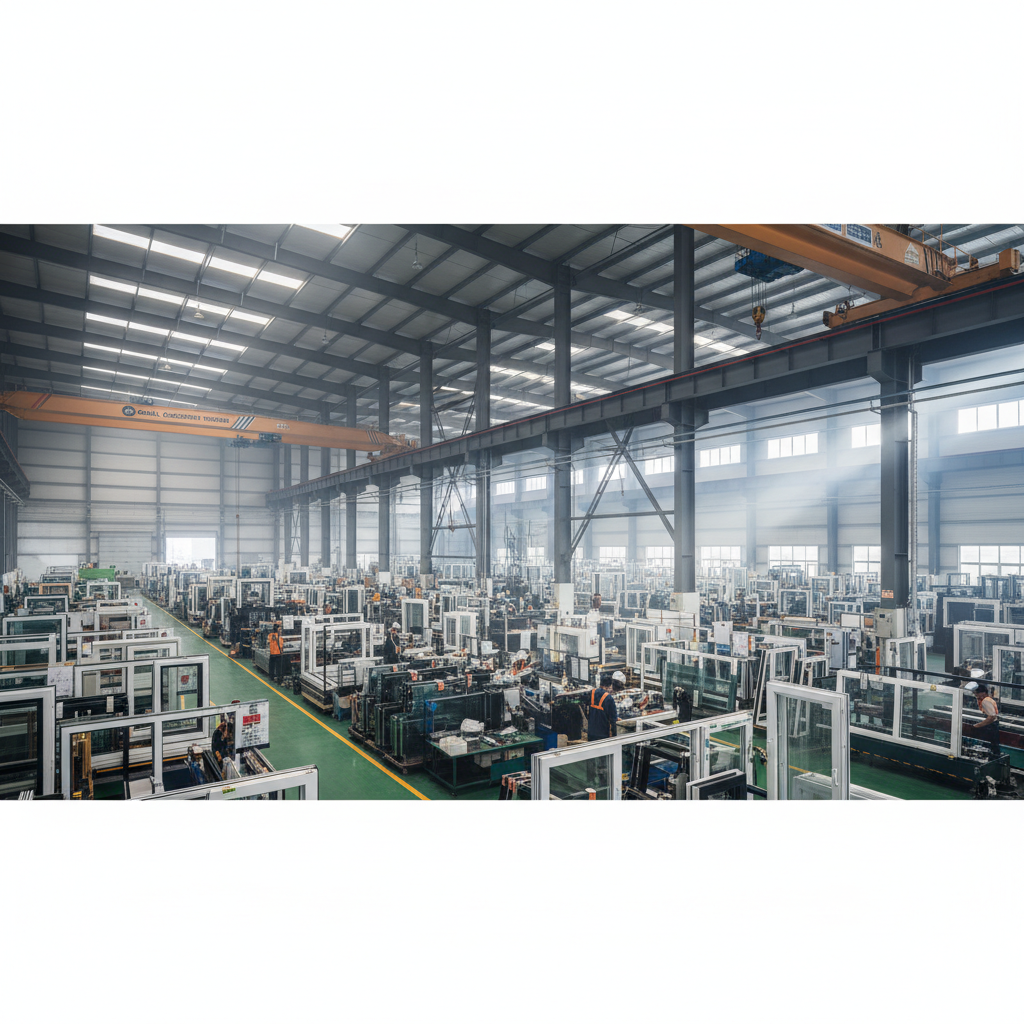
Global Industry Context of Wholesale Casement Window Factories
The global demand for high-quality fenestration has seen a significant uptick as urbanization accelerates across Asia and North America. According to industry trends aligned with ISO standards for building materials, the transition toward "Green Buildings" has made the output of Wholesale Casement Window Factories more relevant than ever, as these windows offer better thermal insulation compared to traditional sliding options.
However, the industry faces a persistent challenge: the volatility of raw material costs—specifically aluminum and high-grade vinyl—which can disrupt large-scale procurement. To mitigate this, top-tier factories are integrating vertical supply chains, ensuring that they control everything from extrusion to final assembly, thereby stabilizing prices for their wholesale partners.
Defining the Role of Modern Window Manufacturing
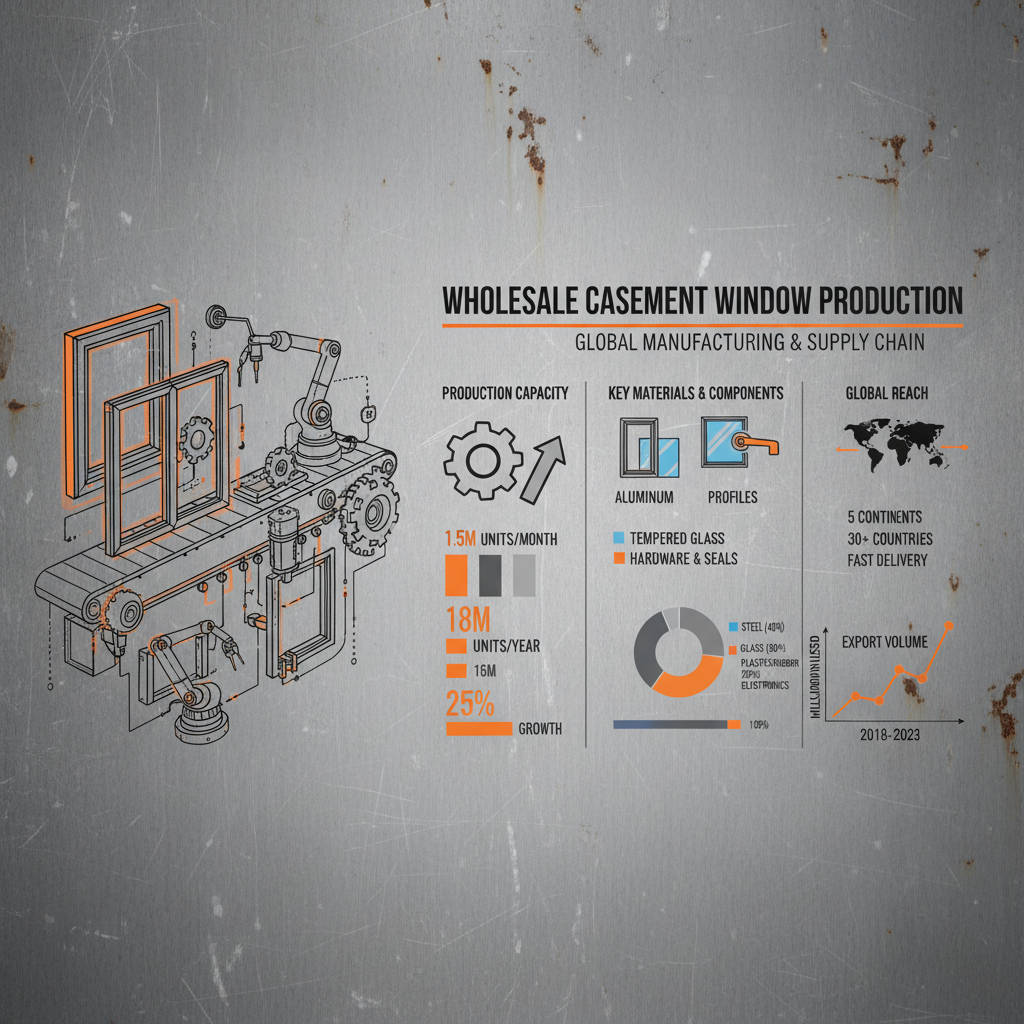
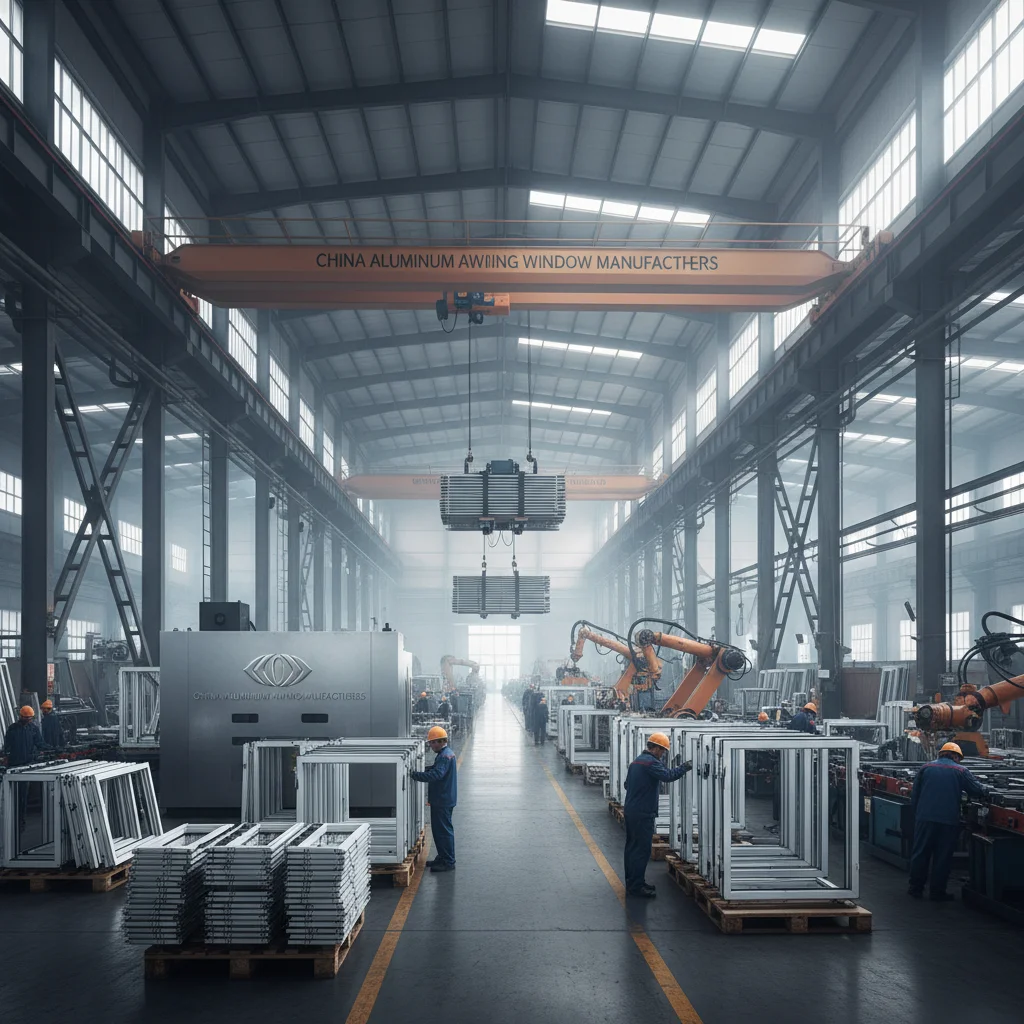
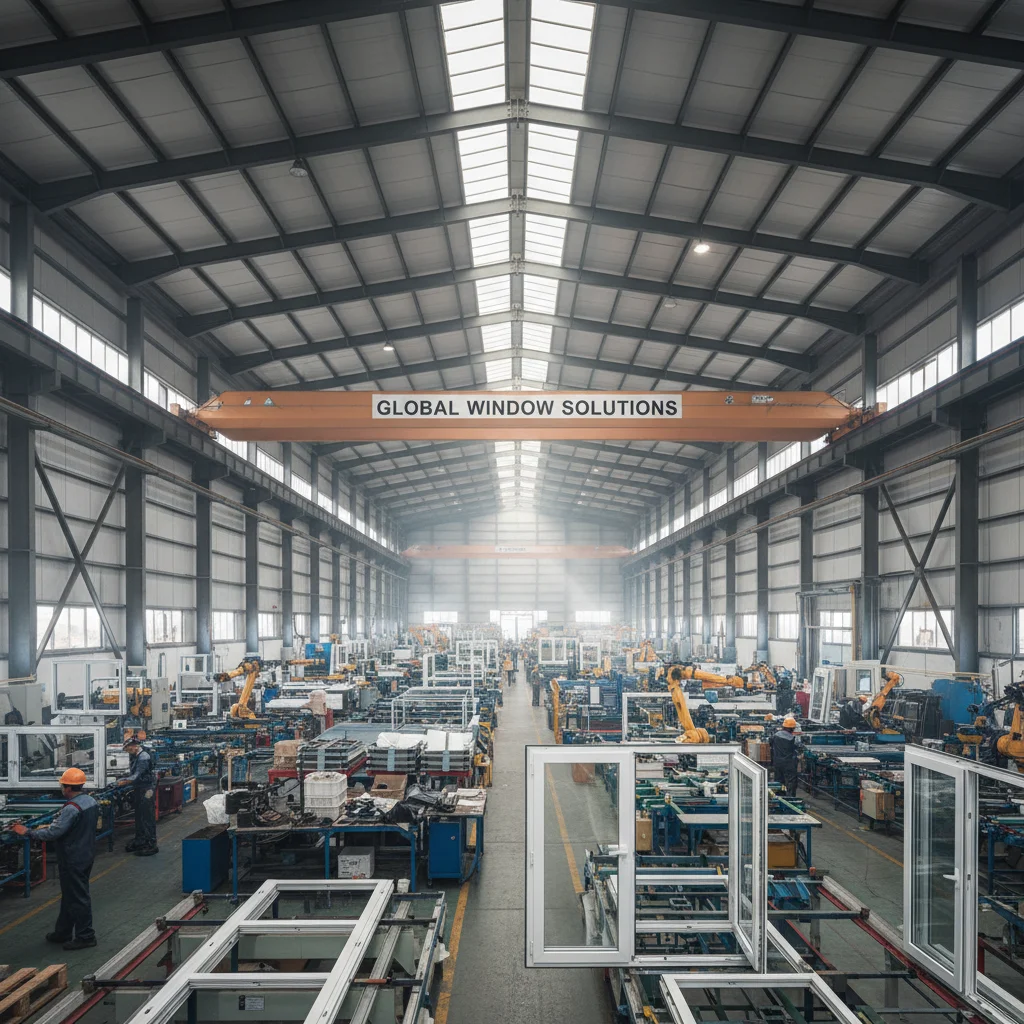
In simple terms, Wholesale Casement Window Factories are specialized industrial hubs that produce outward-opening window systems in bulk. Unlike bespoke artisanal shops, these factories utilize automated assembly lines to ensure that thousands of units maintain the same precise tolerances, which is essential for the airtight performance required in modern construction.
Beyond simple manufacturing, these entities act as critical nodes in the architectural supply chain. They translate complex technical blueprints into tangible products, ensuring that the "casement" mechanism—which relies on a hinge on the side of the frame—is engineered to withstand wind loads and environmental stress over several decades of use.
From a humanitarian and urban development perspective, the ability to source these windows at wholesale prices allows for the rapid deployment of affordable, energy-efficient housing. By reducing the per-unit cost, these factories make it possible to implement high-standard living conditions in large-scale social housing projects without sacrificing quality.
Core Components of Quality Casement Production
The durability of products from Wholesale Casement Window Factories begins with material selection. Whether using thermally broken aluminum or reinforced uPVC, the goal is to eliminate thermal bridging. This ensures that the interior of a building remains warm in winter and cool in summer, directly impacting the energy rating of the structure.
Precision engineering of the hardware is where the real value lies. Leading Wholesale Casement Window Factories invest heavily in high-cycle tested hinges and multi-point locking systems. These components must be seamlessly integrated into the frame to prevent sagging over time, a common failure point in low-quality mass-produced windows.
Finally, the glazing technology employed—such as Low-E coatings and argon gas fills—defines the window's performance. By offering wholesale options for double or triple glazing, factories enable builders to meet the stringent energy codes of different climatic zones, from the humid tropics to the freezing arctic.
Economic Scalability and Cost Efficiency
The primary advantage of partnering with Wholesale Casement Window Factories is the achievement of economies of scale. By producing standardized profiles in massive quantities, factories can significantly lower the cost per unit, allowing developers to allocate their budgets toward other critical areas of a project while still maintaining a high standard of exterior finishing.
Furthermore, scalability allows for rapid adjustments in volume. Whether a project requires 500 units for a boutique hotel or 5,000 units for a residential complex, professional factories utilize Modular Production Systems to scale their output without increasing the error rate, ensuring consistent quality across every batch.
Operational Performance Comparison of Wholesale Casement Window Factories
Global Applications and Market Use Cases
In real-world applications, Wholesale Casement Window Factories serve as the backbone for various sectors. For instance, in the luxury hospitality industry, high-end resorts in Southeast Asia utilize wholesale casement systems to maximize sea breezes while ensuring storm-proof security during monsoon seasons.
Another critical use case is found in urban regeneration projects in Europe, where old industrial districts are converted into loft apartments. By sourcing wholesale, developers can replace inefficient old windows with high-performance casement units that maintain a classic look while drastically reducing the carbon footprint of the building.
Long-Term Value and Sustainability Benefits
The long-term value of investing in windows from reputable Wholesale Casement Window Factories extends beyond the initial purchase price. Because casement windows provide a tighter seal than sliding windows, they significantly reduce HVAC energy consumption, leading to lower utility bills for the end-user and a higher resale value for the property.
From a sustainability angle, modern factories are adopting "Circular Economy" principles. This involves recycling aluminum scraps and utilizing lead-free stabilizers in PVC, ensuring that the massive volume of windows produced does not result in an equivalent volume of environmental waste.
Ultimately, the trust established between a developer and a factory results in reliability. When a product is engineered for a 25-year lifespan, it reduces the need for premature replacements, thereby saving materials and labor costs while providing the resident with a sense of safety and permanence.
Future Trends in Automated Window Fabrication
The future of Wholesale Casement Window Factories is being shaped by Industry 4.0. We are seeing a move toward fully integrated Smart Factories where AI-driven systems predict material waste and optimize cutting patterns in real-time, further driving down costs for the wholesale buyer.
Additionally, the integration of "Smart Glass" into the wholesale pipeline is becoming a reality. Future casement windows will likely feature electrochromic glass that tints automatically based on sunlight intensity, a technology that factories are now preparing to produce at scale to meet the demands of futuristic "Smart Cities."
Digital transformation also extends to the ordering process. BIM (Building Information Modeling) integration allows architects to send 3D models directly to the factory's CNC machines, eliminating manual measurement errors and ensuring a perfect fit every time.
Comparative Analysis of Fabrication Standards in Wholesale Casement Window Factories
| Production Method |
Precision Level |
Energy Efficiency |
Lead Time (Bulk) |
| Traditional Manual Assembly |
Medium (6/10) |
Standard |
Long |
| Semi-Automated Line |
High (8/10) |
Optimized |
Medium |
| Full AI-Integrated CNC |
Extreme (10/10) |
Maximum |
Short |
| Modular Prefabrication |
High (9/10) |
High |
Very Short |
| Customized Wholesale Hybrid |
High (8/10) |
Variable |
Medium |
| Eco-Focused Sustainable Line |
High (8/10) |
Maximum+ |
Medium |
FAQS
The best way to verify quality is to request ISO 9001 certifications and specific test reports for air permeability, water penetration, and wind resistance (such as ASTM or NFRC standards). Additionally, requesting a sample batch and conducting a third-party factory audit can ensure that the mass-production quality matches the initial sample.
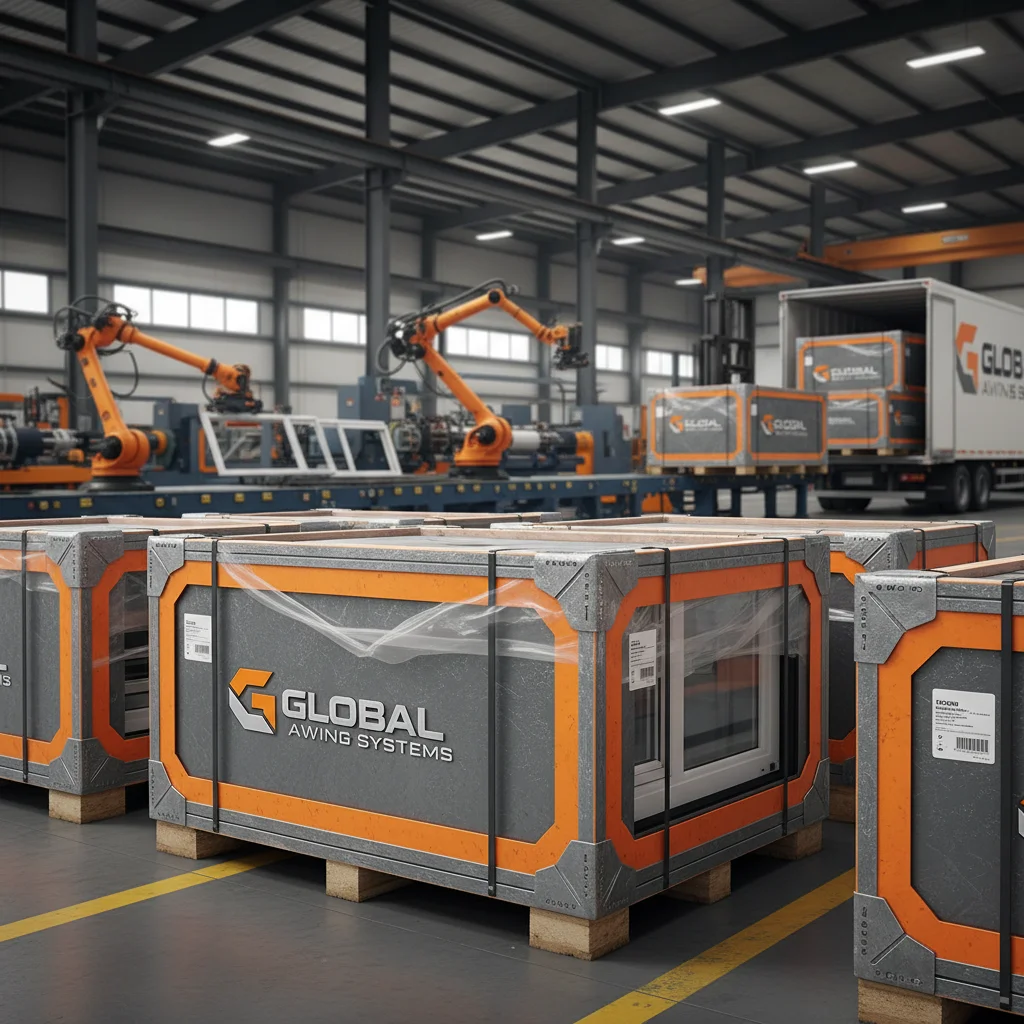
Lead times vary based on customization. For standard wholesale profiles, production can take 2-4 weeks. However, for customized colors, specialized glazing, or massive orders exceeding 1,000 units, the timeline usually extends to 6-12 weeks, including quality control checks and packaging for international shipping.
Generally, yes. Casement windows require more complex hardware (hinges, cranks, and multi-point locks) and more precise framing to ensure an airtight seal. While the per-unit cost is higher, the long-term energy savings and superior ventilation often justify the investment for high-quality developments.
Yes, most professional Wholesale Casement Window Factories utilize CNC cutting machines that can handle a variety of dimensions. While "standard" sizes are cheaper, "wholesale custom" allows for a pre-defined range of sizes that are still produced on a mass scale to keep costs lower than fully bespoke options.
For coastal regions, powder-coated thermally broken aluminum or high-impact uPVC is highly recommended. These materials resist salt-spray corrosion and prevent the frames from warping under extreme temperature fluctuations, ensuring the casement mechanism remains functional for years.
Leading factories implement closed-loop recycling for aluminum and use non-toxic, lead-free stabilizers in their plastics. Furthermore, by producing energy-efficient double or triple-glazed units, they help reduce the overall carbon footprint of the buildings where their windows are installed.
Conclusion
Selecting the right partner among Wholesale Casement Window Factories is more than a procurement task; it is a strategic investment in a building's longevity and efficiency. By focusing on the synergy between high-precision hardware, sustainable material sourcing, and scalable production, developers can ensure that their projects are not only cost-effective but also meet the highest global standards of comfort and durability.
As the industry moves toward AI-driven fabrication and smart-glass integration, the gap between luxury bespoke windows and wholesale production will continue to close. For those looking to elevate their next project, prioritizing factories that embrace both technological innovation and environmental responsibility is the key to long-term success. Visit our website for more professional solutions: www.xiaoanwindow.com