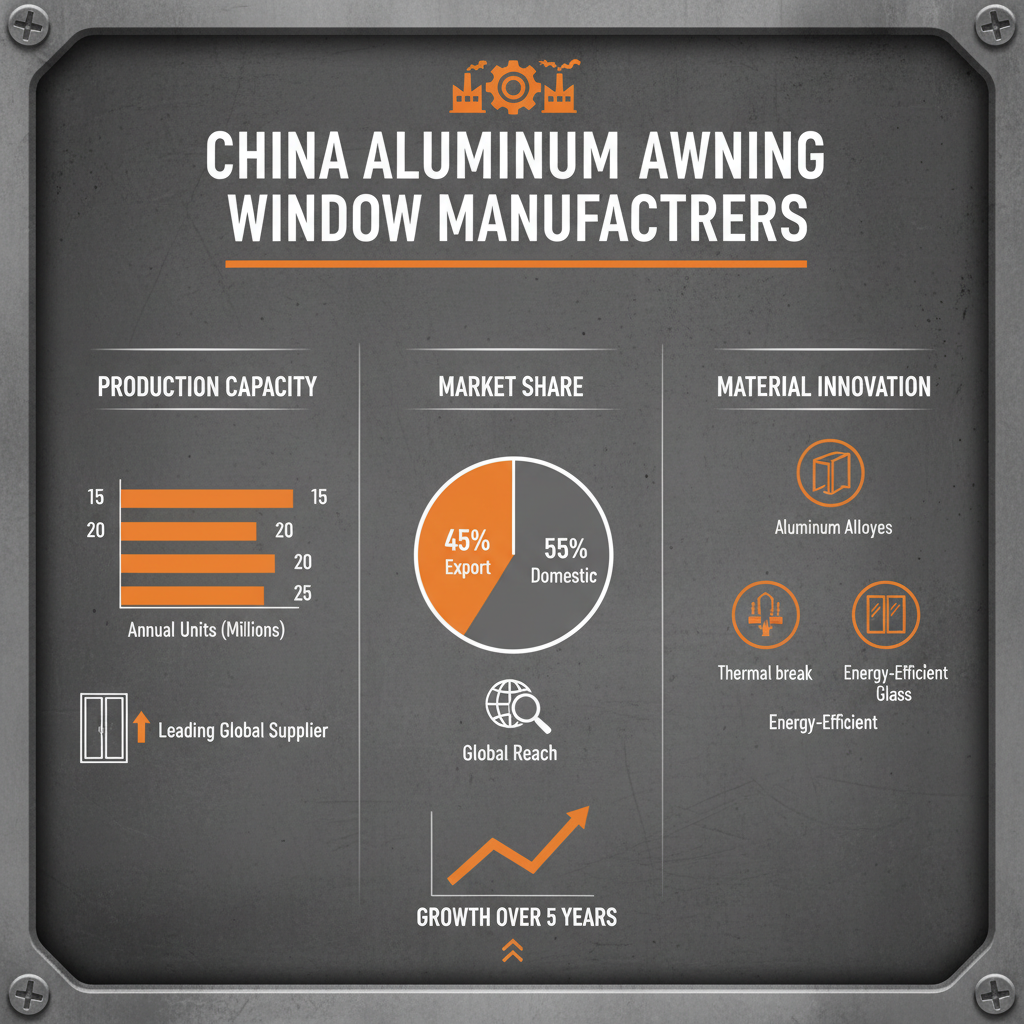
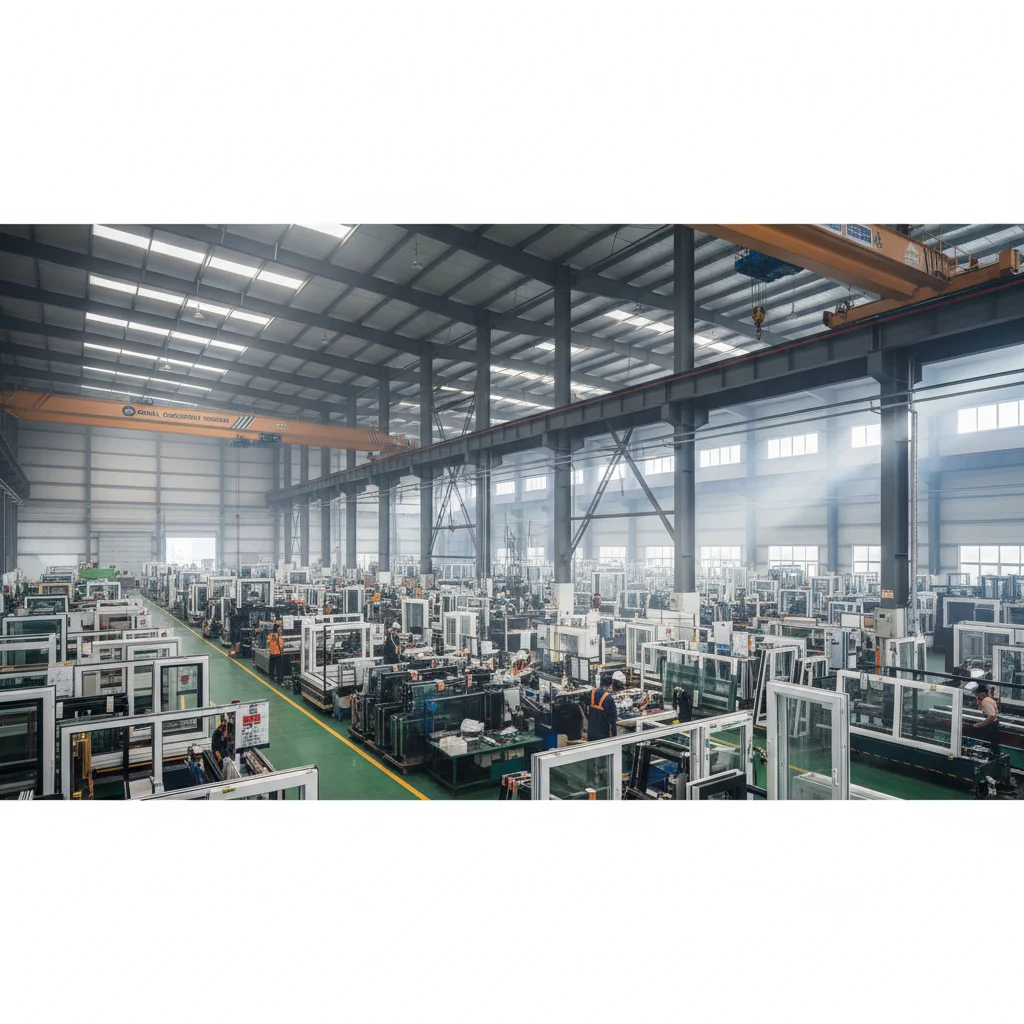
The global demand for high-performance building envelopes has led to a significant surge in the prominence of China Aluminum Awning Window Manufacturers. These specialized producers provide essential architectural components that balance ventilation, weather resistance, and aesthetic appeal, making them indispensable for modern residential and commercial projects across the globe. By leveraging advanced extrusion technologies and stringent quality control, these manufacturers ensure that awning windows meet diverse climatic challenges while maintaining energy efficiency.
Understanding the landscape of China Aluminum Awning Window Manufacturers is crucial for developers, architects, and contractors who seek to optimize their procurement costs without sacrificing structural integrity. The integration of high-grade aluminum alloys with thermal break technology has allowed Chinese production lines to compete on a global scale, offering solutions that are not only cost-effective but also compliant with international ISO and ASTM standards.
Ultimately, the value provided by leading China Aluminum Awning Window Manufacturers extends beyond simple fabrication. They act as innovation hubs, integrating smart hardware and sustainable coatings that reduce the carbon footprint of buildings. Whether it is for a luxury high-rise or a sustainable housing project, the ability to customize profiles and glass specifications ensures a perfect fit for any architectural vision.
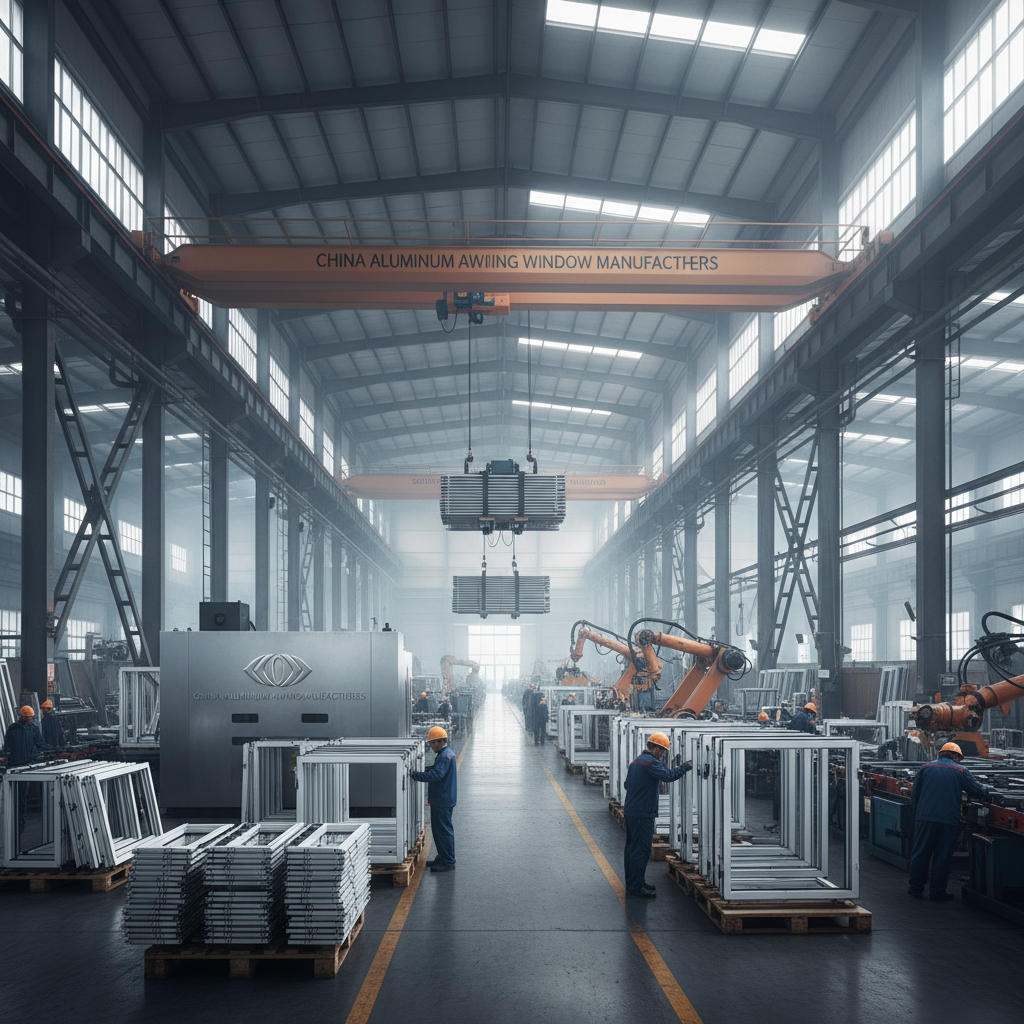
The Global Role of China Aluminum Awning Window Manufacturers
China Aluminum Awning Window Manufacturers have fundamentally reshaped the global supply chain by combining massive production capacity with rapid technological iteration. By focusing on the "scale effect," these manufacturers can offer premium aluminum profiles that meet international wind-load and water-penetration requirements at a fraction of the cost of local Western production. This has enabled emerging markets in Southeast Asia and Africa to implement higher building standards in their urban development projects.
Beyond cost, the strategic importance of these manufacturers lies in their ability to pivot toward customized OEM and ODM services. Whether the project requires specialized powder coating for corrosive coastal environments or high-performance Low-E glazing for extreme temperatures, China Aluminum Awning Window Manufacturers possess the technical agility to adjust their production lines to meet specific regional building codes, ensuring seamless integration into diverse global architectural styles.
Defining Quality Standards for Awning Window Production
When we define the output of China Aluminum Awning Window Manufacturers, we are looking at a sophisticated intersection of metallurgical science and precision engineering. An awning window, characterized by its hinge at the top and opening outward from the bottom, requires a frame that can withstand the weight of the glass while resisting sagging over time. The use of 6063-T5 aluminum alloy is the industry standard, providing an ideal balance of strength, corrosion resistance, and finish quality.
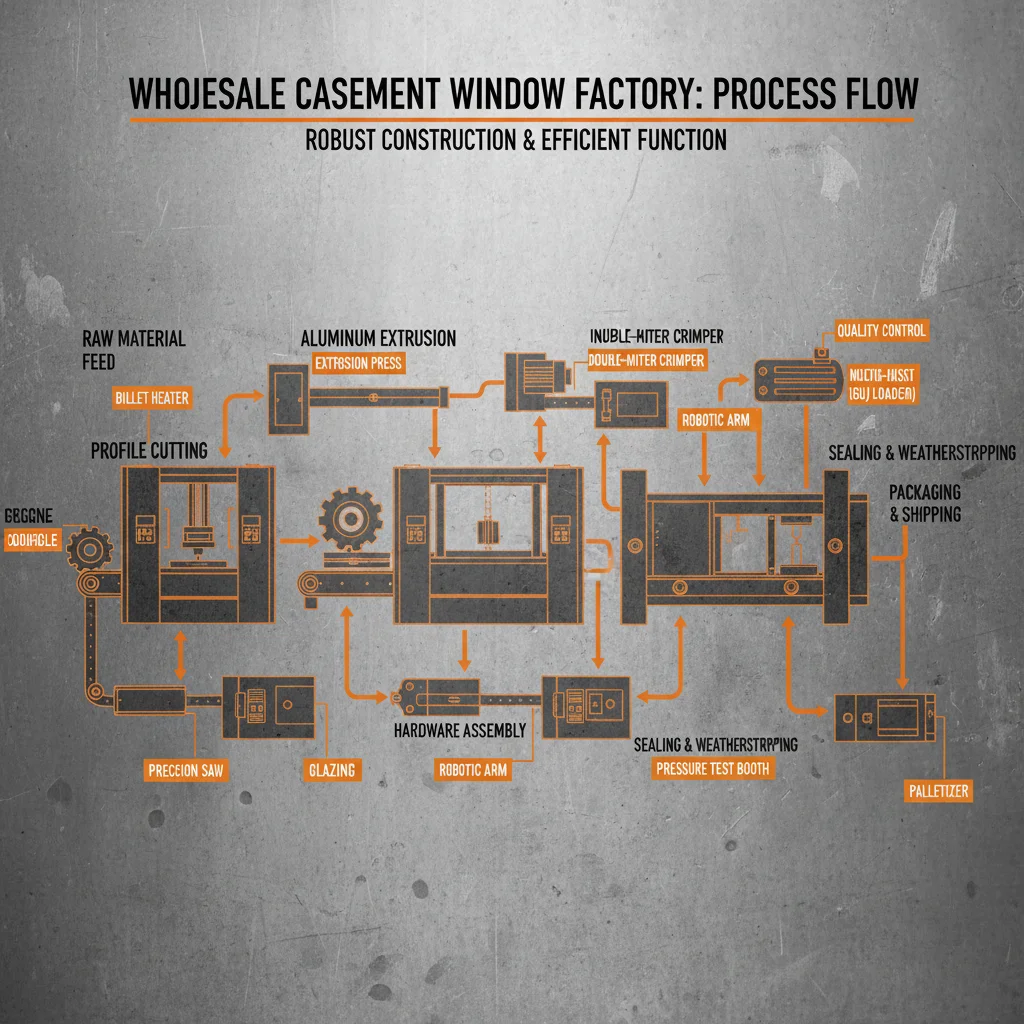
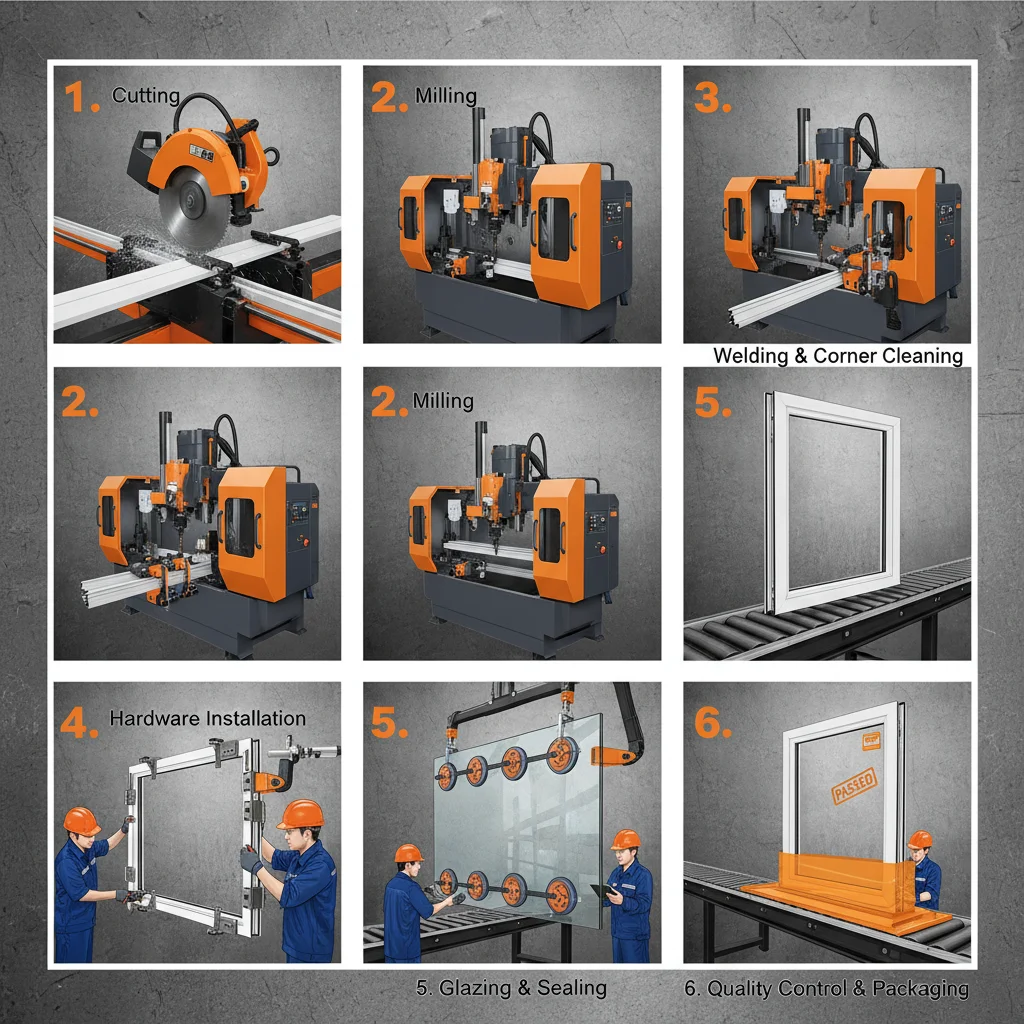
The manufacturing process involves a series of rigorous steps: from the precision extrusion of profiles to the CNC machining of drainage holes and hardware slots. Leading manufacturers employ automated cutting and punching machines to ensure that tolerances are kept within fractions of a millimeter. This precision is what prevents air leaks and water seepage, common failures in lower-quality window systems, thereby elevating the overall energy rating of the building.
Furthermore, the connection between these manufacturers and humanitarian needs is evident in the production of affordable, durable housing components. By streamlining the production of awning windows—which provide excellent ventilation even during rain—these manufacturers help create healthy living environments in high-density urban areas, proving that high-quality architectural elements can be accessible to a broader demographic.
Core Technical Components of Aluminum Awning Windows
The durability of a system from China Aluminum Awning Window Manufacturers depends heavily on the quality of the thermal break. By inserting a polyamide strip between the inner and outer aluminum profiles, manufacturers can effectively stop the transfer of heat and cold, reducing energy consumption and preventing internal condensation in cold climates.
Hardware integration is the second pillar of excellence. China Aluminum Awning Window Manufacturers utilize multi-point locking systems and heavy-duty friction stays that ensure the window remains securely open at various angles without slamming shut, providing both safety and convenience for the end user.
Finally, the sealing system—consisting of EPDM gaskets and high-grade silicone sealants—determines the window's airtightness. Expert China Aluminum Awning Window Manufacturers employ double-seal technology to ensure that noise pollution is minimized and the interior remains protected from the harshest external elements.
Performance Metrics and Cost Efficiency Analysis
Analyzing the efficiency of China Aluminum Awning Window Manufacturers requires a look at the balance between material grade, labor precision, and final market price. Unlike traditional wood or PVC windows, aluminum provides a superior strength-to-weight ratio, allowing for thinner frames and larger glass spans, which maximizes natural light. The cost efficiency is driven by the vertical integration of the supply chain, from bauxite processing to final assembly.
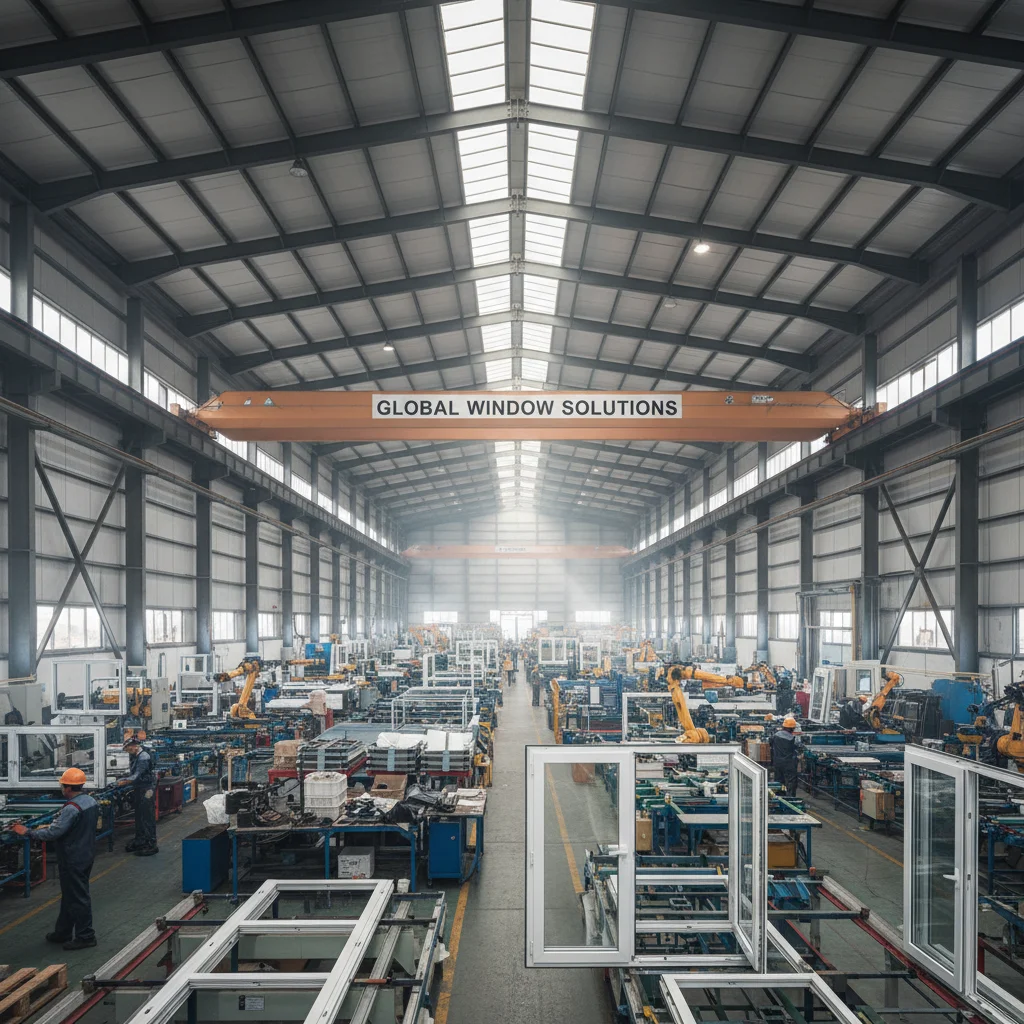
When comparing different manufacturing methodologies, the shift toward automated assembly lines has significantly reduced the margin of error and the cost of waste. This allows manufacturers to pass the savings onto the consumer while maintaining high E-E-A-T (Experience, Expertise, Authoritativeness, and Trustworthiness) standards in their technical documentation and product warranties.
Comparative Performance Rating of China Aluminum Awning Window Manufacturers' Systems
Global Applications in Modern Architecture
The versatility of products from China Aluminum Awning Window Manufacturers makes them a primary choice for diverse real-world contexts. In coastal regions like Florida or Southeast Asia, these windows are engineered to withstand high wind pressures and salt-spray corrosion. Their ability to stay open during light rain allows for natural ventilation without risking water damage to the interior, a feature highly prized in tropical climates.
In industrial and commercial sectors, such as high-tech laboratories or remote warehouse facilities, awning windows provide a secure and controlled method of airflow. Many NGOs and international development agencies also utilize these durable aluminum solutions in post-disaster reconstruction projects, where the speed of installation and long-term reliability are more critical than ornamental detailing.
Long-Term Value and Sustainability Benefits
Investing in windows from reputable China Aluminum Awning Window Manufacturers offers substantial long-term financial and environmental value. Aluminum is infinitely recyclable without losing its properties, meaning that the life-cycle assessment of these windows is far superior to PVC. By utilizing recycled aluminum scrap in the extrusion process, manufacturers are significantly reducing the carbon emissions associated with primary smelting.
From a logical perspective, the low maintenance requirement of powder-coated aluminum—which does not warp, rot, or require frequent repainting—reduces the total cost of ownership for building managers. This reliability translates into increased property value and a sense of security for the inhabitants, knowing their home is shielded by a robust, high-performance barrier.
Emotionally, the shift toward sustainable, energy-efficient windows reflects a commitment to a greener future. The trust established between global architects and these manufacturers is built on the consistent delivery of products that don't just meet a price point, but actually improve the quality of life through better acoustics and thermal comfort.
Future Innovations in Window Manufacturing Technology
The future of China Aluminum Awning Window Manufacturers is inextricably linked to the digital transformation of the industry. The adoption of "Industry 4.0" practices, such as AI-driven quality inspection and BIM (Building Information Modeling) integration, is allowing for a seamless transition from architectural drawing to factory production. This reduces lead times and virtually eliminates ordering errors.
We are also seeing a trend toward "Smart Windows," where aluminum frames are integrated with electronic sensors and automated actuators. These windows can automatically open or close based on indoor CO2 levels or external weather forecasts, further optimizing the energy efficiency of smart buildings. The integration of vacuum glazing is another frontier, offering the insulation properties of a wall within the thickness of a window pane.
As green energy policies tighten globally, manufacturers are focusing on VOC-free coatings and ultra-low emissivity glass. This evolution ensures that the products remain compliant with the strictest European and North American energy codes, cementing the role of Chinese manufacturing as a leader in sustainable architectural hardware.
Comparative Analysis of Future Manufacturing Trends in Aluminum Awning Windows
| Technology Driver |
Implementation Impact |
Sustainability Score |
Market Adoption Rate |
| AI-Driven QC |
Zero-defect shipments |
8/10 |
High |
| Vacuum Glazing |
Extreme thermal insulation |
10/10 |
Medium |
| Smart Actuators |
Automated ventilation |
7/10 |
Growing |
| BIM Integration |
Perfect fit installation |
9/10 |
Very High |
| VOC-Free Coating |
Healthier indoor air |
10/10 |
High |
| Recycled Alloy 2.0 |
Circular economy loop |
10/10 |
Medium |
FAQS
To verify quality, you should request ISO 9001 certifications and specific test reports for air permeability, water tightness, and wind pressure resistance. Reputable manufacturers will provide ASTM or CE certification documents. Additionally, requesting a sample of the thermal break profile allows you to inspect the bond between the polyamide strip and the aluminum, which is a key indicator of long-term structural integrity.
Yes, in many scenarios. Awning windows open outward from the bottom, creating a natural "awning" that shields the interior from rain. This allows you to keep the windows open for fresh air even during a drizzle, whereas casement windows are more susceptible to wind-driven rain entering the home. However, casements typically offer slightly more airflow when fully open.
High-quality aluminum awning windows typically last between 20 to 40 years. Because aluminum does not rot or warp like wood or degrade like some plastics under UV exposure, the primary wear occurs in the hardware (hinges and locks). By choosing manufacturers that use stainless steel or high-grade alloy hardware, you can ensure the window remains functional for decades with minimal maintenance.
For very small residential projects, shipping costs can offset the manufacturing savings. However, for mid-to-large scale developments or custom architectural builds, the price difference is substantial. Many manufacturers offer "flat-pack" or semi-assembled options to optimize container space, making imports feasible for smaller commercial projects as well.
Aluminum is a natural conductor of heat. A thermal break is a non-conductive material placed between the interior and exterior frames. This prevents "thermal bridging," meaning heat doesn't escape in winter and doesn't enter in summer. This significantly reduces the load on HVAC systems and prevents the common problem of condensation forming on the inside of the window frame.
Absolutely. Most China Aluminum Awning Window Manufacturers offer a wide range of RAL powder coating colors and anodized finishes. Regarding glass, you can specify single, double, or triple glazing, as well as Low-E coatings, tempered safety glass, or laminated acoustic glass, depending on your specific requirements for insulation and security.
Conclusion
The strategic partnership with experienced China Aluminum Awning Window Manufacturers provides a powerful combination of cost-efficiency, technical precision, and sustainable material use. By integrating thermal break technology, high-grade aluminum alloys, and advanced sealing systems, these manufacturers enable the creation of buildings that are not only aesthetically pleasing but also energy-efficient and durable across various global climates.
As we look toward the future of urban development, the transition toward smart, eco-friendly building envelopes will only accelerate. We recommend that architects and developers prioritize manufacturers who embrace BIM integration and carbon-neutral production methods. By doing so, you ensure that your projects remain competitive, compliant, and sustainable for the next generation. For more information on premium window solutions, visit our website: www.xiaoanwindow.com