Casement Windows In Passive Energy Efficient Buildings
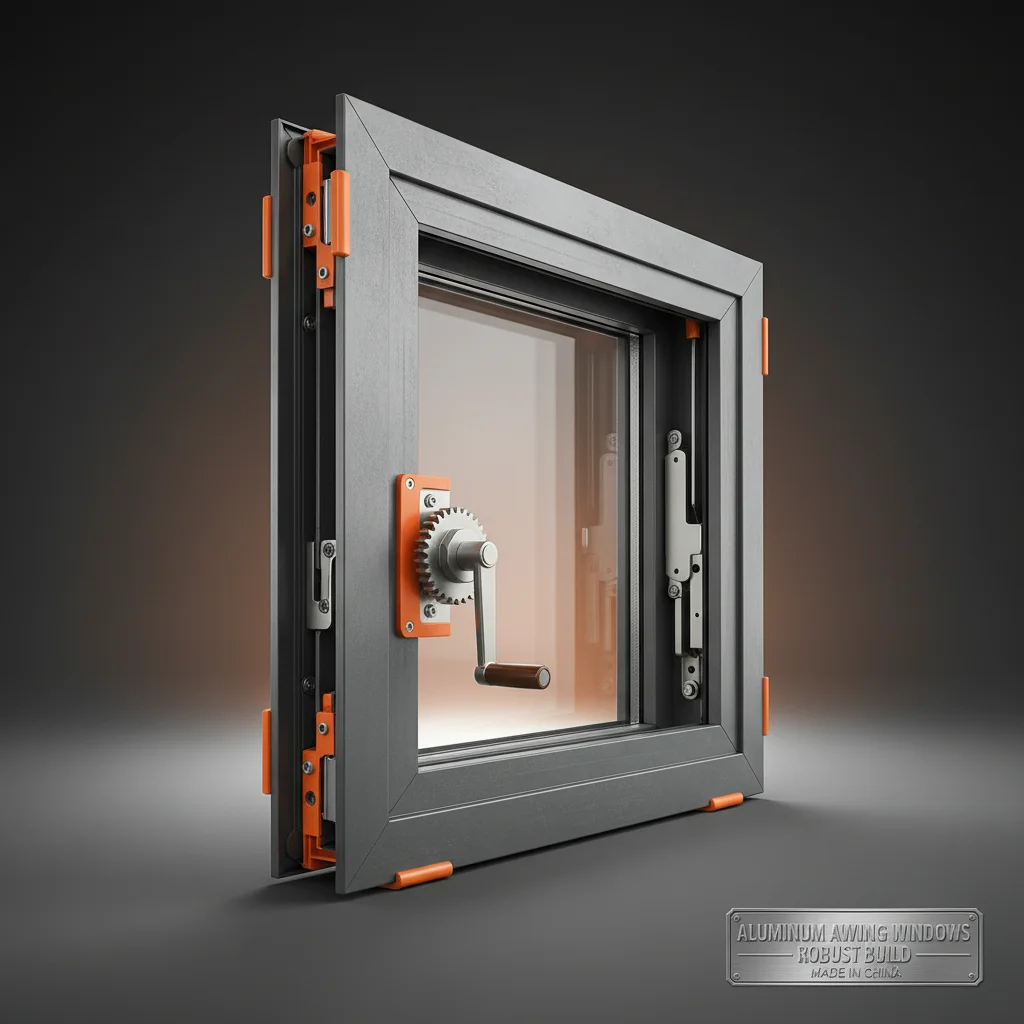
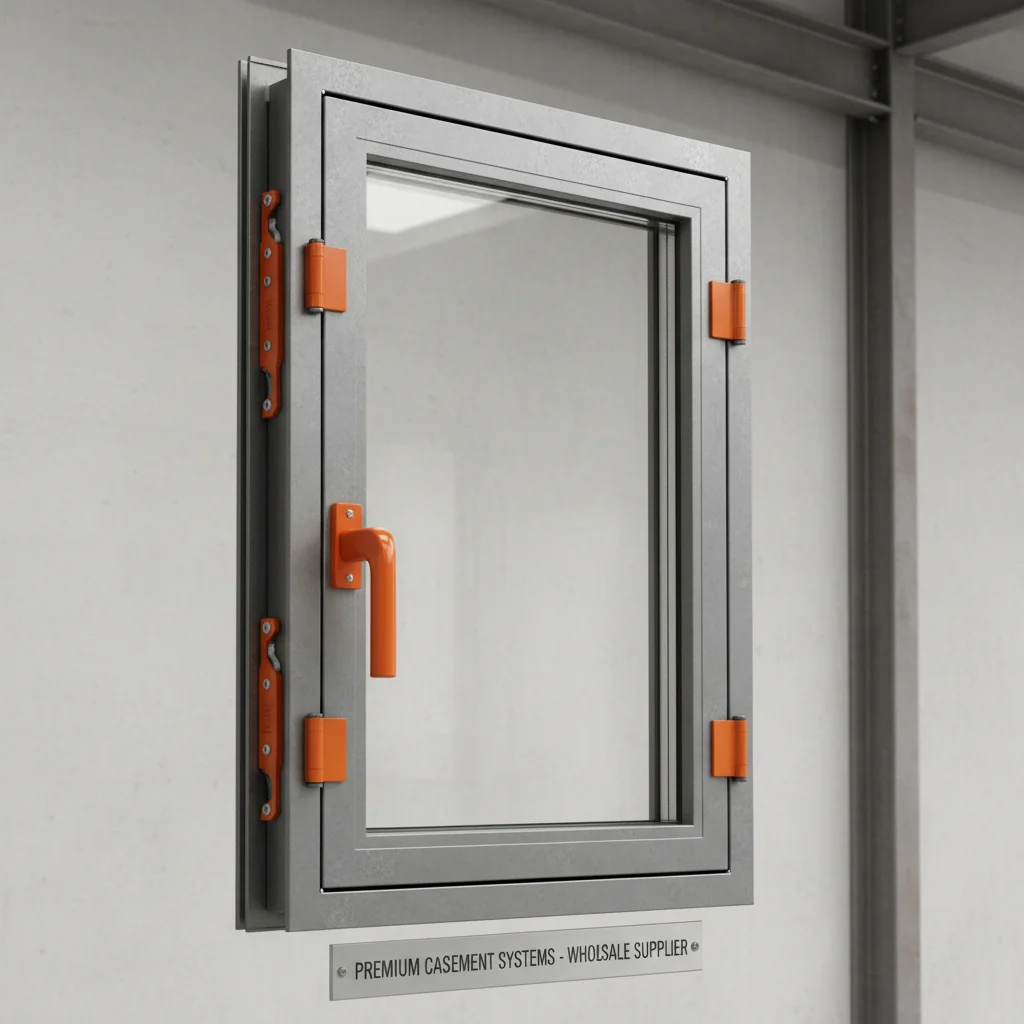
One of the most important features of casement windows in passive buildings is their superior airtightness. Unlike some other window types, casement windows close tightly against the frame using compression seals. Many designs also include multi-point locking systems that press the sash firmly against the frame when the window is closed. This tight seal significantly reduces air leakage, which is a key requirement in passive energy-efficient construction.
Another advantage of casement windows is their ability to improve thermal insulation. Passive buildings aim to reduce heat loss during winter and minimize heat gain during summer. Casement windows are often combined with high-performance glazing, such as double or triple insulated glass units. This combination helps maintain stable indoor temperatures and reduces the need for artificial heating or cooling systems.
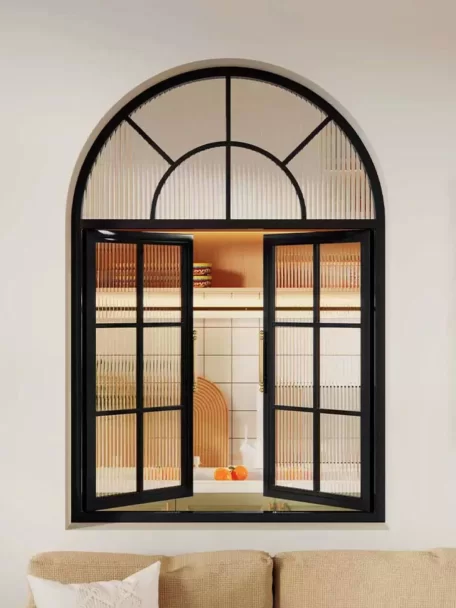
Ventilation is also an important factor in passive building design. Casement windows can open widely, allowing fresh air to enter the building efficiently. When positioned correctly, they can help create natural cross-ventilation, improving indoor air quality and reducing reliance on mechanical ventilation systems.
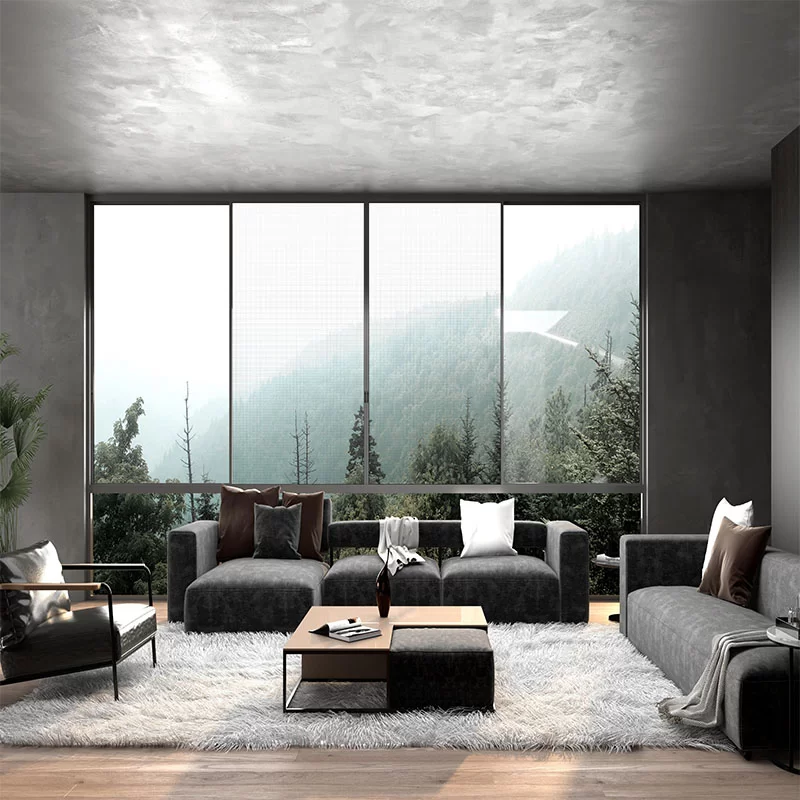
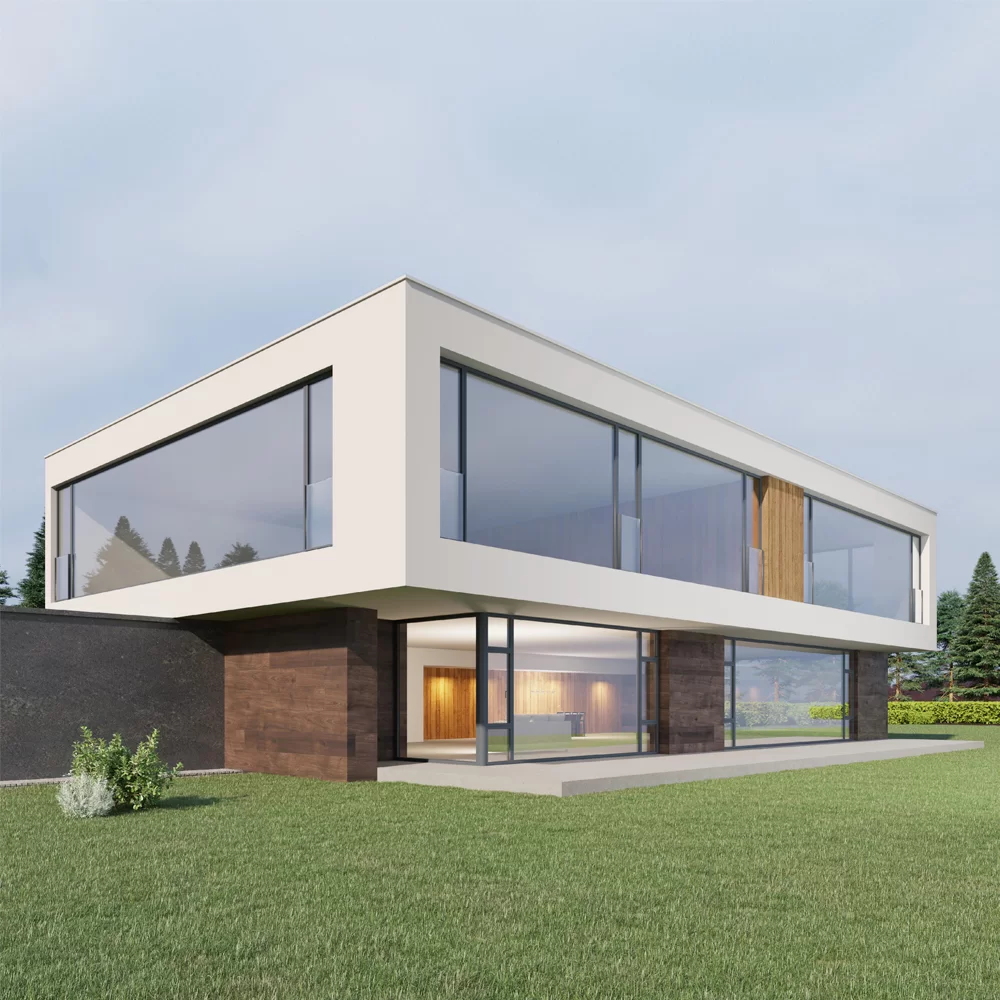
In addition to their functional advantages, casement windows also support the architectural goals of passive buildings. Their simple structure allows for larger glass areas, which can increase natural daylight and contribute to passive solar heating when properly oriented.
Overall, casement windows are widely used in passive energy-efficient buildings because they combine airtightness, thermal performance, and effective natural ventilation, helping buildings achieve higher energy efficiency and sustainability.