Hit enter to search or ESC to close
16 April 2026
When sourcing high-performance glazing solutions, partnering with a professional China Casement Window Factory is a strategic move for developers and homeowners alike. Casement windows are prized for their exceptional ventilation and airtight seals, making them a preferred choice for modern energy-efficient architecture. However, the quality of the final installation depends heavily on the manufacturing precision and material grade used during production. In this guide, we will explore how to identify a top-tier manufacturer and the technical advantages of sourcing premium casement windows from China to ensure long-term durability and aesthetic appeal.
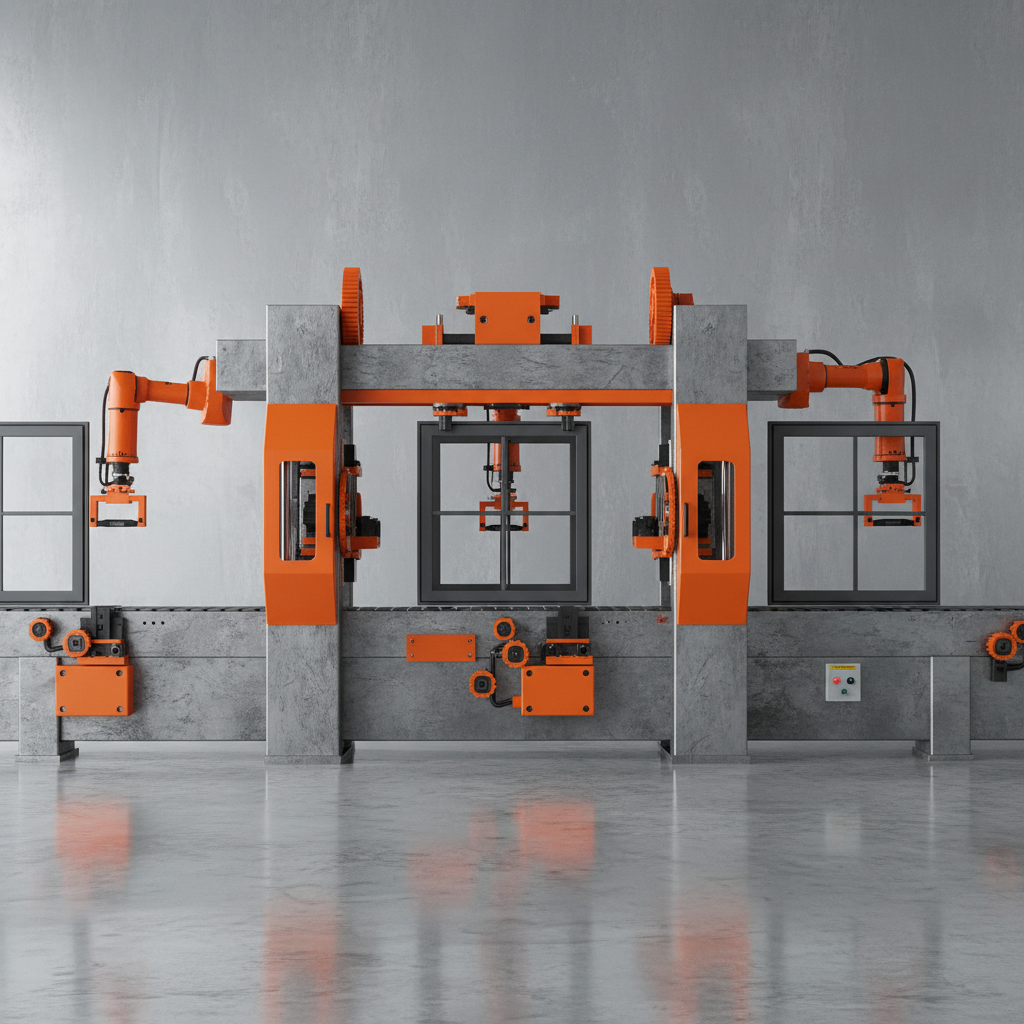
One of the primary benefits of collaborating with a leading China Casement Window Factory is the ability to access cutting-edge manufacturing technology at a competitive cost. Modern Chinese factories utilize automated CNC machining and precision welding, which minimizes human error and ensures that every frame is perfectly square. Furthermore, the supply chain efficiency in China allows for a wider variety of glass options—from low-E coatings to argon-filled double or triple glazing—providing superior thermal insulation. This synergy of technology and scale enables clients to receive bespoke designs without the exorbitant price tags often found in local boutique shops.
Industry Insight: High-quality casement windows from China often meet or exceed international standards such as NFRC or CE, ensuring they are suitable for diverse climates ranging from tropical humidity to arctic cold.
Selecting the right material is crucial for the longevity of your windows. A professional China Casement Window Factory typically offers both uPVC (Vinyl) and Aluminum options. Vinyl is renowned for its thermal efficiency and low maintenance, making it ideal for residential homes. Aluminum, on the other hand, provides unmatched structural strength and a slim profile, which is highly desired for commercial buildings or contemporary minimalist designs. To help you decide, we have compared the two most popular materials used in modern manufacturing.
Quality assurance is the cornerstone of a reliable China Casement Window Factory. To avoid common pitfalls like air leakage or water infiltration, top manufacturers implement a multi-stage inspection process. This includes water penetration tests using high-pressure sprays to simulate extreme storms and wind-load testing to ensure structural integrity. Additionally, the use of high-grade EPDM rubber seals and multi-point locking systems ensures that the windows remain airtight for decades. By insisting on these standards, factories can guarantee a product that reduces energy bills and enhances indoor comfort.
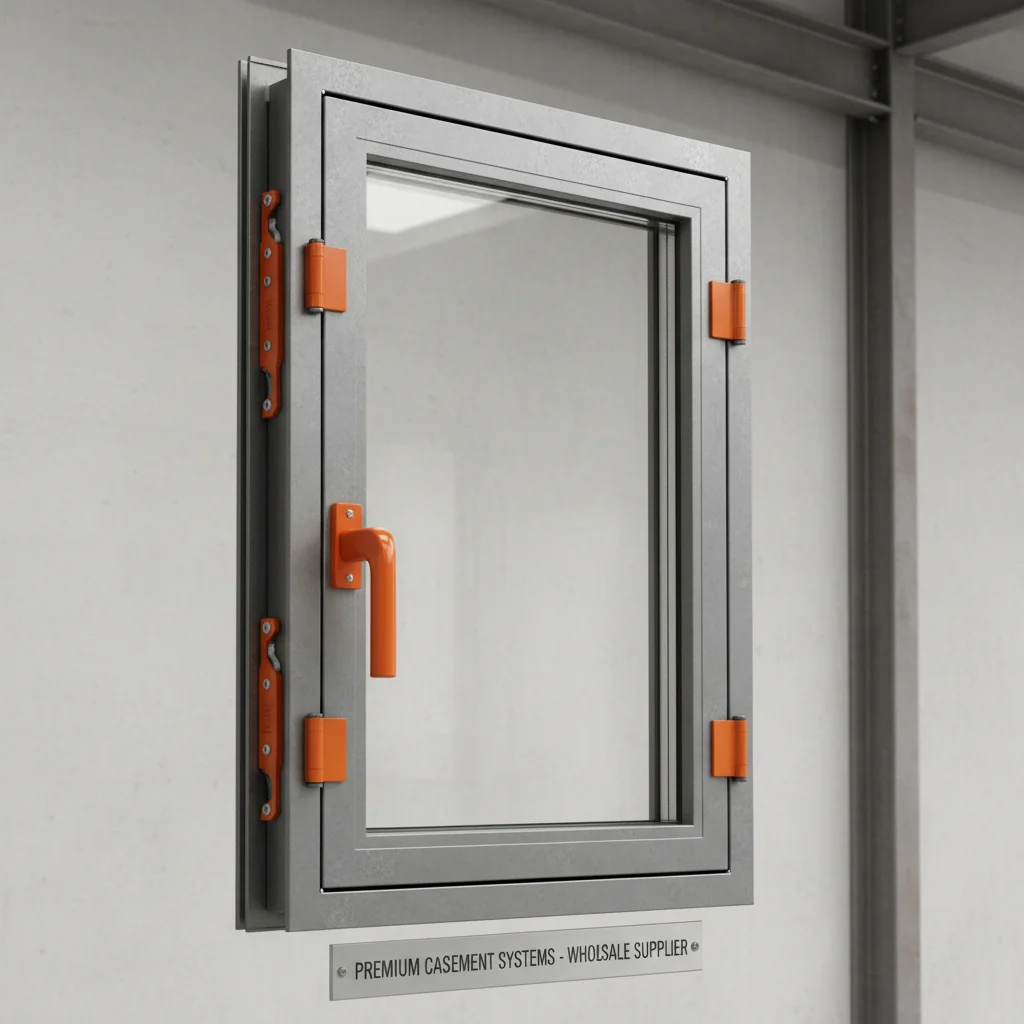
Customization is where a professional China Casement Window Factory truly shines. Whether you need specific dimensions for a historical renovation or specialized glass for acoustic insulation, the technical capabilities are vast. From the thickness of the profile to the type of hardware used (such as friction hinges or crank handles), every detail is adjustable. Below is a standard specification table for a high-end residential casement window produced in a modern facility.
Not all manufacturers are created equal. When auditing a China Casement Window Factory, look for certifications such as ISO 9001 for quality management. Request detailed case studies of previous international projects to verify their ability to handle shipping and customs. A transparent factory will provide a virtual tour or welcome a third-party inspection. Pay close attention to the "finishing" area—where the windows are cleaned and packed—as this indicates the factory's attention to detail and commitment to delivering a product that is ready for immediate installation.
Sustainability is no longer optional. The best China Casement Window Factory now implements green manufacturing practices. This includes recycling uPVC scraps and using lead-free stabilizers in the profile extrusion process. Furthermore, by producing windows with higher R-values (thermal resistance), these factories help end-users reduce their carbon footprint by lowering the reliance on HVAC systems. Choosing a factory that prioritizes environmental standards not only helps the planet but often correlates with a higher overall build quality and more innovative product designs.
Investing in windows from a reputable China Casement Window Factory offers a perfect balance of aesthetic luxury, technical performance, and cost-efficiency. By focusing on material quality, stringent testing, and sustainable practices, you can ensure that your property remains energy-efficient and visually stunning for years to come. Whether for a cozy home or a sprawling commercial complex, the right manufacturing partner makes all the difference in transforming a building's efficiency and style.
Casement windows offer several distinct advantages, most notably superior ventilation and a tighter seal. Because the sash opens outward and is pressed firmly against the frame when closed, it creates a much more airtight seal than sliding windows, which typically rely on brushes or thin gaskets. This leads to significantly better energy efficiency and noise reduction. Additionally, casement windows usually provide a larger unobstructed view of the outdoors, enhancing the natural light and aesthetic appeal of the room.
Shipping large glass panels requires extreme care. Professional factories use specialized reinforced wooden crates and customized foam padding to prevent movement during transit. Each window is typically wrapped in a protective film to prevent scratches to the frame and glass. Furthermore, they use shock-absorbent palettes and secure strapping. Many top-tier factories also provide comprehensive insurance and use experienced freight forwarders who specialize in fragile building materials to ensure the products arrive in perfect condition.
Absolutely. One of the biggest strengths of a China Casement Window Factory is its flexibility in customization. You can specify exact dimensions down to the millimeter, and choose from a wide array of colors. For aluminum windows, powder coating allows for almost any RAL color. For uPVC, foil laminates can be used to mimic the look of natural wood grains. This allows architects and designers to maintain a specific visual theme while benefiting from modern material performance.
Lead times vary based on the order volume and complexity, but typically range from 3 to 6 weeks for production. This includes the time for profile extrusion, glass tempering, and assembly. Once production is complete, shipping times depend on the destination and chosen method (Sea or Air). To ensure the fastest turnaround, it is recommended to finalize all technical drawings and material selections early in the process, as any changes after production begins can lead to significant delays.