Premium Thermal Break Aluminum window Solutions for New Zealand

Premium Thermal Break Aluminum window Solutions for New Zealand

High-performance structural metal components engineered for Oceania's unique climate, blending durability with energy efficiency.

Premium Thermal Break Aluminum window Solutions for New Zealand

Providing advanced architectural metal accessories and structural window systems designed to withstand New Zealand's diverse coastal and alpine environments.

Market Dynamics of Metal Fittings in New Zealand

Analyzing the demand for high-specification structural aluminum in the Oceania region.

In New Zealand, the construction industry is heavily influenced by the "Healthy Homes" standards, which drive a massive surge in demand for Sound insulation windows to combat urban noise and improve indoor thermal comfort. The geographic diversity, from the humid North Island to the freezing South Island, requires structural metal products that can resist salt-spray corrosion and extreme temperature fluctuations.

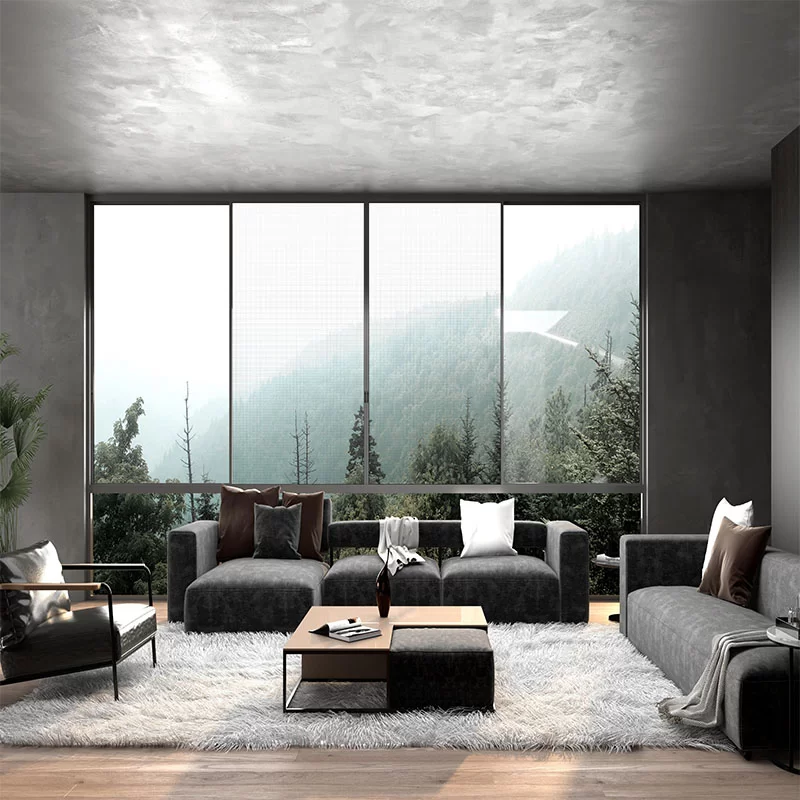
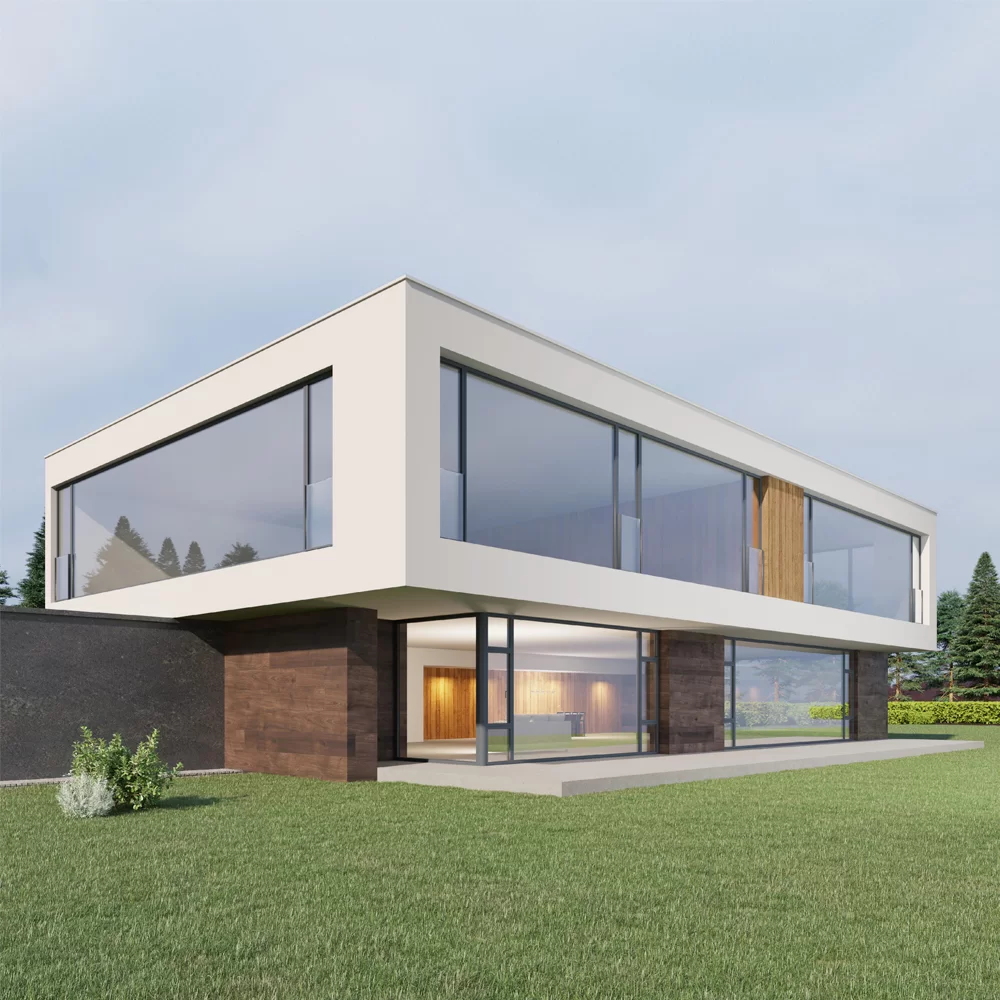
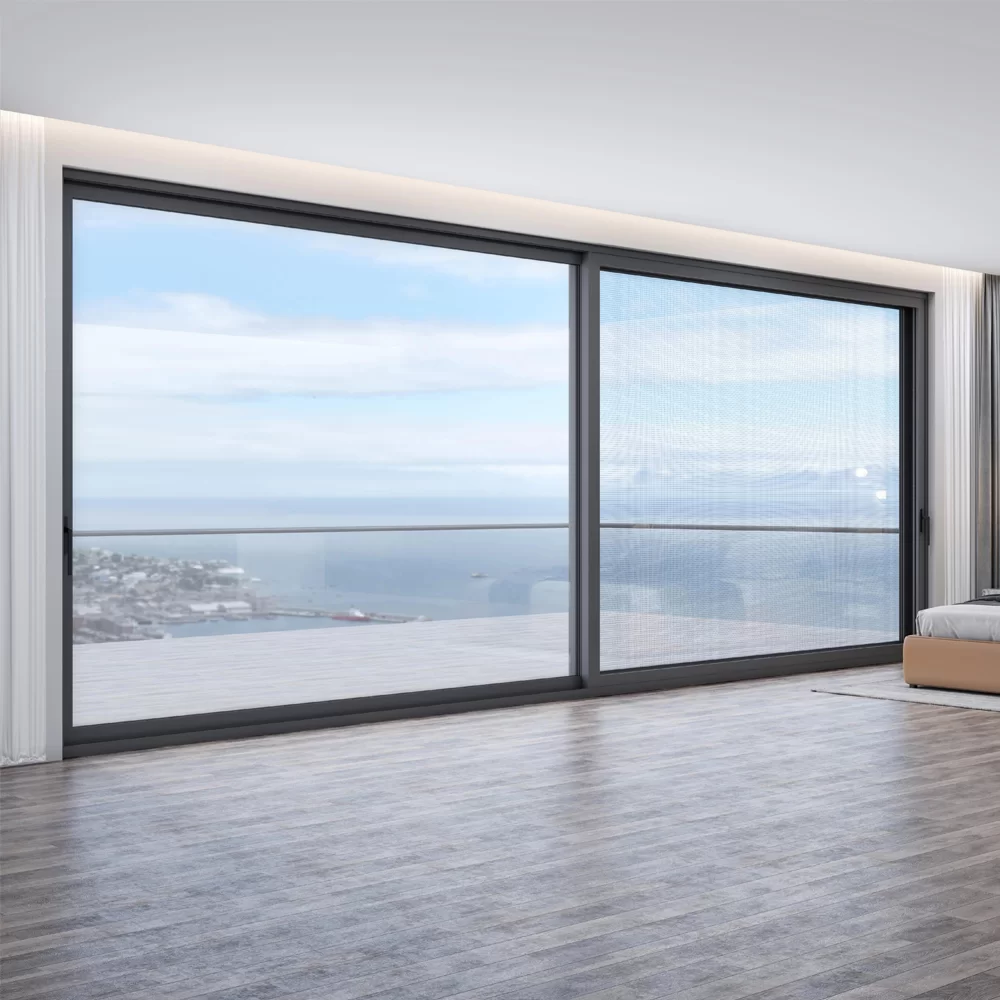
Local architects are increasingly moving away from standard frames toward an aluminum sliding door architecture that maximizes natural light while maintaining structural integrity. The market is currently characterized by a transition from basic residential fittings to high-end, industrial-grade structural metal components that offer longer lifecycles and lower maintenance costs.

Furthermore, the integration of advanced sealing technologies in Casement windows construction has become a priority for New Zealand builders to prevent moisture ingress, a common issue in the region's temperate maritime climate, ensuring that structural metal accessories remain rust-free and functional.
Evolution of Structural Metal Window Systems

From traditional aluminum extrusions to intelligent thermal-break technology.

Market Development History

During the 1990s and early 2000s, the New Zealand market relied heavily on standard non-insulated aluminum frames. These systems were durable but suffered from significant thermal bridging, leading to condensation and heat loss during winter months.

By 2010, the industry shifted toward the adoption of the Aluminum Sliding Window with improved weather-stripping. This period saw the introduction of powder-coating technologies that could withstand the intense UV radiation found in the Oceania region.

From 2018 to the present, the "Green Building" movement has pushed the industry toward high-performance polytramide strips. This iteration focused on the systemic integration of thermal breaks and acoustic laminates, redefining the standard for luxury residential and commercial metalwork.

Future Development Trends

Smart Material Integration

Expect to see the integration of phase-change materials within aluminum profiles to actively regulate indoor temperatures without electrical input.

Zero-Carbon Aluminum Sourcing

Driven by NZ's sustainability goals, the industry is moving toward "Green Aluminum" produced via hydroelectric power to reduce the embodied carbon of structural fittings.

Vacuum Glazing Compatibility

The next 3-5 years will see structural frames optimized for ultra-thin vacuum glass, further enhancing the efficiency of thermal break systems.

Industry Trends and Future Outlook

Strategic forecasts for structural metal accessories in the Oceania construction sector.

Enhanced Thermal Efficiency
Increased adoption of multi-chambered profiles to meet strict NZ energy ratings.
Acoustic Engineering
Demand for specialized sound-dampening metal fittings in high-density urban zones.
Modular Installation
Shift toward prefabricated metal components to reduce on-site labor costs in NZ.
Corrosion Resistance
Development of advanced anodic coatings for harsh maritime environments.

Industry Outlook

Based on Google search trends in the Oceania region, there is a significant increase in queries related to "energy-efficient glazing" and "sustainable aluminum," indicating that New Zealand homeowners are prioritizing long-term operational savings over initial installation costs.

The industry is expected to move toward a fully integrated ecosystem where metal accessories are designed using BIM (Building Information Modeling) to ensure a perfect fit, reducing waste and enhancing the overall structural performance of high-end residences.

Localized Application Scenarios in New Zealand

Real-world implementations of structural metal fittings across diverse NZ landscapes.

01. Auckland Urban Noise Reduction

Installation of Sound insulation windows in high-density apartments near the CBD to eliminate traffic noise while maintaining a slim architectural profile.

02. Queenstown Alpine Thermal Barriers

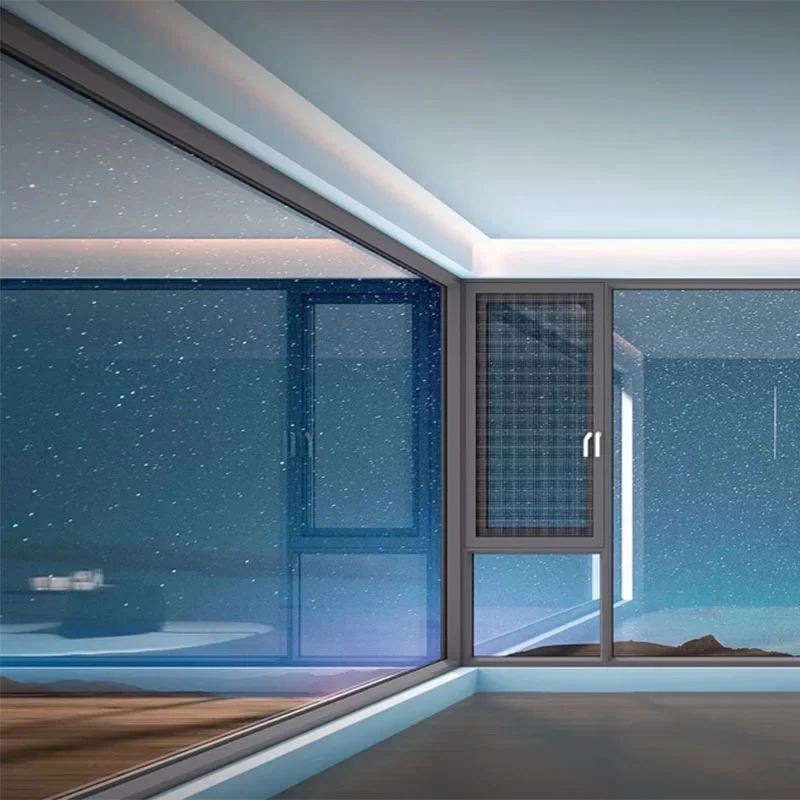
Deployment of Thermal Break Aluminum window systems in luxury lodges to prevent heat loss during extreme Southern Alps winters.

03. Bay of Plenty Coastal Residences

Utilizing high-grade aluminum sliding door systems with marine-grade coatings to resist salt corrosion in beachfront properties.

04. Wellington Wind-Resistant Structures

Implementation of reinforced Casement windows construction techniques to withstand the high wind loads typical of the "Windy City."

05. Christchurch Modern Commercial Hubs

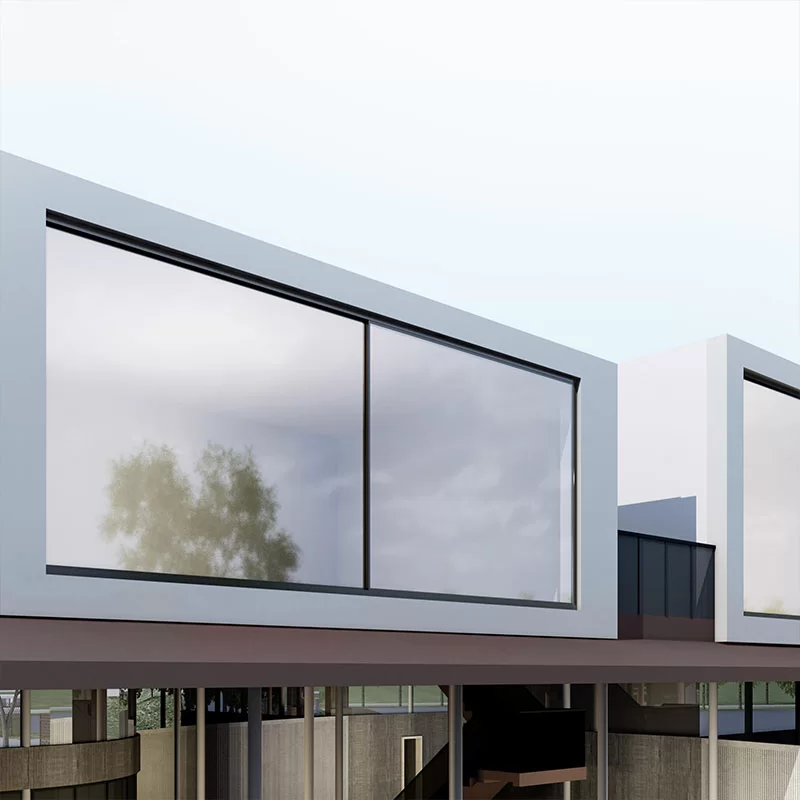
Integration of expansive Aluminum Sliding Window walls in reconstructed office spaces to optimize natural light and interior flexibility.

Brand Story

Global Development History of Shanghai Xiaoan Plastic-Aluminum Door and Window Co., Ltd.

Foundational Engineering

Established with a mission to solve the critical failure of thermal bridging in traditional aluminum frames, focusing on precision metal extrusion.

Technological Breakthrough

Developed proprietary polytramide thermal break technology, significantly reducing the U-value of structural metal windows.

Global Quality Standards

Achieved international certifications, ensuring that every accessory meets the rigorous structural demands of diverse global climates.

Oceania Market Expansion

Tailored product lines specifically for New Zealand's Healthy Homes standards, emphasizing acoustic and thermal performance.

Sustainable Future

Committing to carbon-neutral manufacturing processes to support the global transition toward green building materials.

Complete Structural Metal Portfolio for New Zealand

A comprehensive range of aluminum accessories engineered for durability and efficiency.

Common Questions in the NZ Metalwork Industry

Expert answers regarding the installation and performance of aluminum systems in Oceania.

How do sound insulation windows perform against New Zealand urban noise?

Our systems use multi-layered acoustic glass and specialized metal gaskets to significantly reduce decibel levels, making them ideal for Auckland and Wellington city centers.

What makes a Thermal Break Aluminum window essential for the South Island?

The thermal break prevents the conduction of cold from the exterior to the interior, eliminating condensation and reducing heating costs in alpine regions like Queenstown.

Are aluminum sliding doors suitable for high-wind coastal areas?

Yes, provided they are engineered with reinforced structural profiles and high-performance locking mechanisms to maintain a seal during storm events.

What is the lifespan of Casement windows construction in maritime climates?

With marine-grade powder coating and stainless steel hardware, our casement systems are designed to last 25+ years without significant corrosion.

Can an Aluminum Sliding Window be upgraded for better energy ratings?

Yes, by integrating Low-E glass and thermal break strips into the aluminum profile, you can significantly increase the R-value of the installation.

Do these structural metal components comply with NZ Building Codes?

Our products are engineered to meet and exceed international standards that align with New Zealand's rigorous structural and thermal requirements.

Get Expert Engineering Advice

Contact our structural metal specialists for tailored window and door solutions in New Zealand.

Contact Us Now

If you are interested in our products, you can choose to leave your information here, and we will be in touch with you shortly.