HighPerformance Thermal Break Aluminum window Solutions for Australia

High-Performance Thermal Break Aluminum window Solutions for Australia

Engineering energy-efficient, durable, and sound-attenuating structural metal components tailored for the unique Australian climate and architectural standards.

High-Performance Thermal Break Aluminum window Solutions for Australia

Integrating advanced structural metal manufacturing with local Australian building codes to provide superior thermal insulation and acoustic comfort.

Current State of Structural Metal Fittings in Australia

Analyzing the demand for energy-efficient apertures in the Oceania region.

Australia's diverse climate, ranging from tropical north to temperate south, demands high-performance Sound insulation windows to combat both extreme weather and urban noise pollution in cities like Sydney and Melbourne.

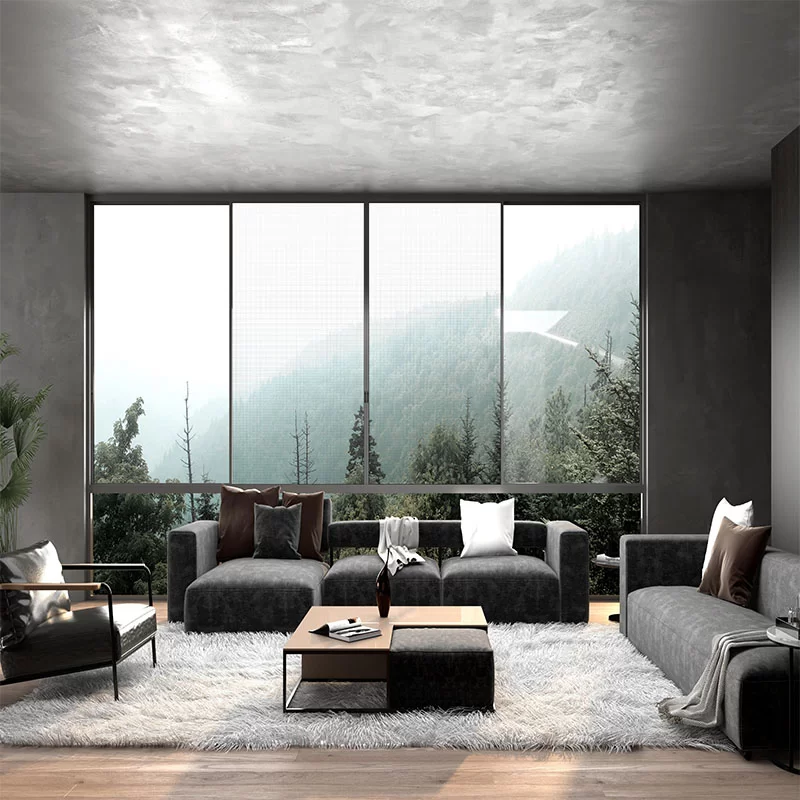
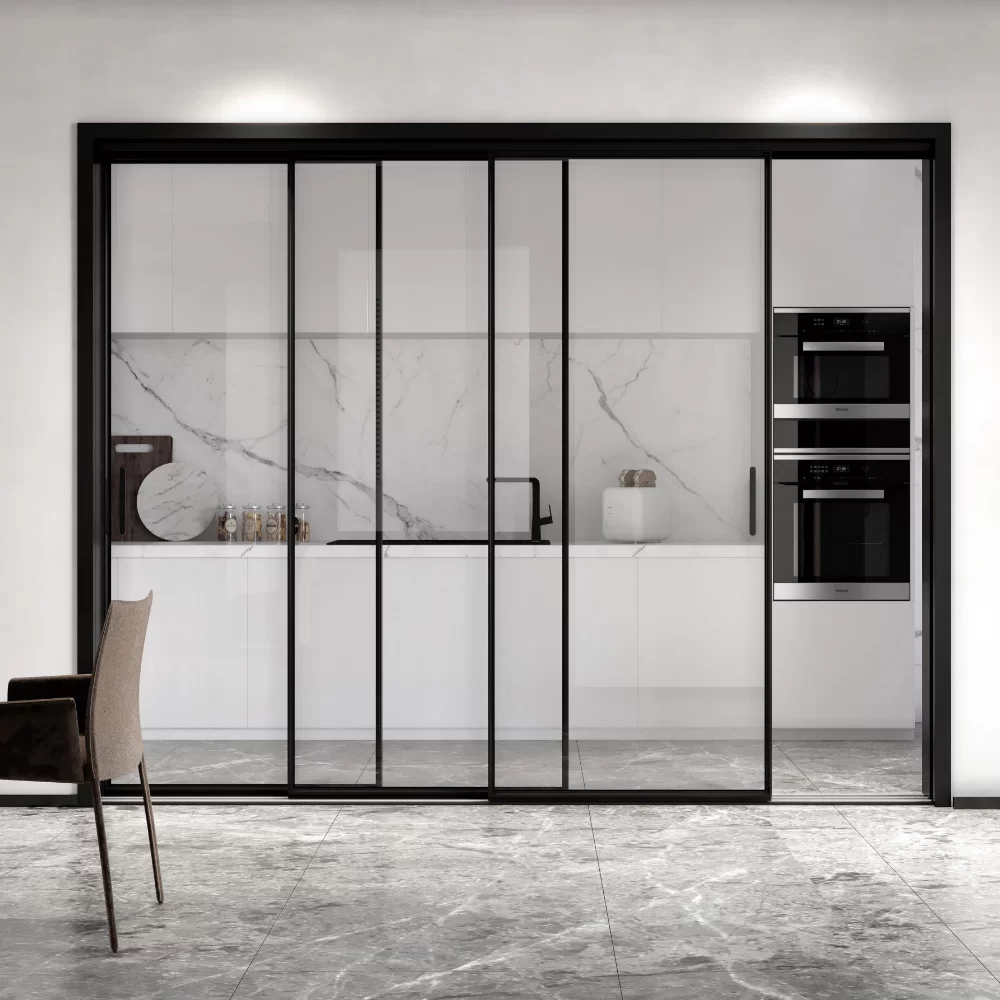
The local market has seen a significant shift toward the aluminum sliding door due to the Australian lifestyle's emphasis on indoor-outdoor flow, requiring materials that can withstand high UV exposure and salt-spray corrosion in coastal areas.

Current regulations now strictly enforce thermal efficiency, making the adoption of high-grade aluminum alloys and precision-engineered fittings a necessity for modern residential and commercial construction across the continent.
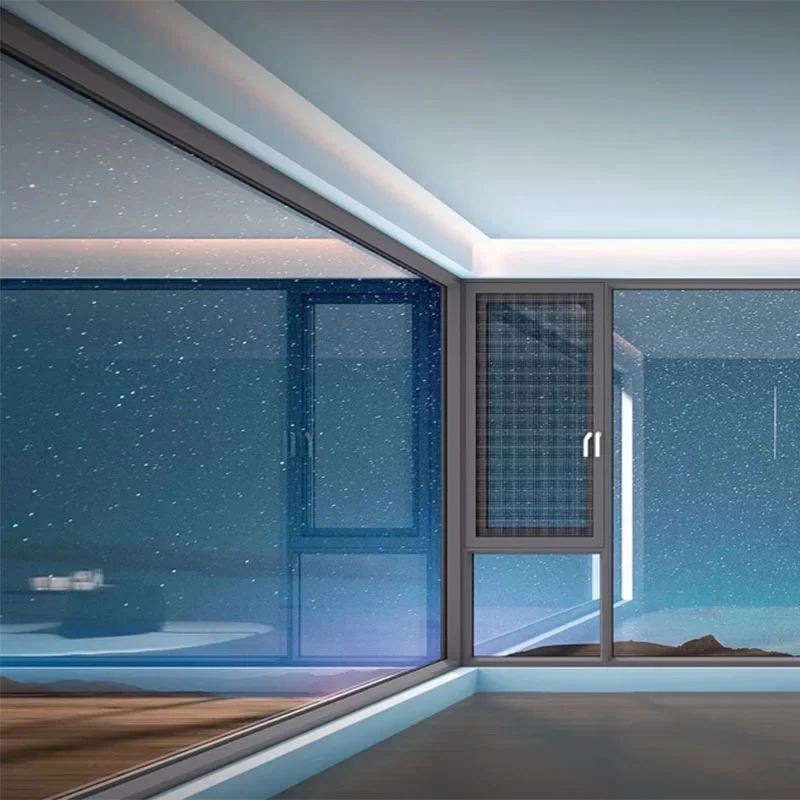
Evolution of Metal Window Construction

From basic frames to intelligent thermal management systems.

Market Development History

In the early 2000s, the Australian market primarily relied on single-glazed aluminum frames which offered minimal insulation, leading to high energy costs during extreme summer peaks.

By 2010-2015, the industry transitioned toward improved Casement windows construction, integrating better sealing gaskets and reinforced structural corners to improve air tightness.

From 2018 to the present, the focus has shifted entirely to "Thermal Breaking" technology, utilizing polyamide strips to decouple the interior and exterior aluminum profiles, drastically reducing heat transfer.

Future Development Trends

Smart Glass Integration

Integration of electrochromic glass within Aluminum Sliding Window systems to automatically adjust transparency based on sunlight intensity.

Ultra-Slim Sightlines

Development of high-strength structural alloys that allow for thinner frames without compromising the structural integrity of large-scale sliding systems.

Circular Economy Materials

Increased use of 100% recycled architectural aluminum to meet Australia's stringent "Green Star" building certifications.

Industry Trends and Future Outlook

Strategizing the next generation of architectural metal components.

Net-Zero Certification
Aligning product manufacturing with Australia's 2050 net-zero emissions targets through low-carbon aluminum smelting.
Acoustic Engineering
Advancing multi-chamber profile designs to increase the STC (Sound Transmission Class) ratings for urban builds.
Precision Automation
Utilizing CNC milling and robotic assembly to eliminate human error in complex structural fitting tolerances.
Modular Installation
Standardizing prefabricated metal components to reduce on-site installation time and labor costs.

Industry Outlook

Google search trends indicate a rising demand for "passive house" standards in Australia, which will drive the market toward higher-specification thermal break systems and triple-glazing compatible frames.

The intersection of structural durability and energy efficiency will be the primary competitive battlefield for metal fitting manufacturers over the next five years.

Localized Application Scenarios in Australia

Customized solutions for the Oceania geographical landscape.

01. Coastal Luxury Villas in Queensland

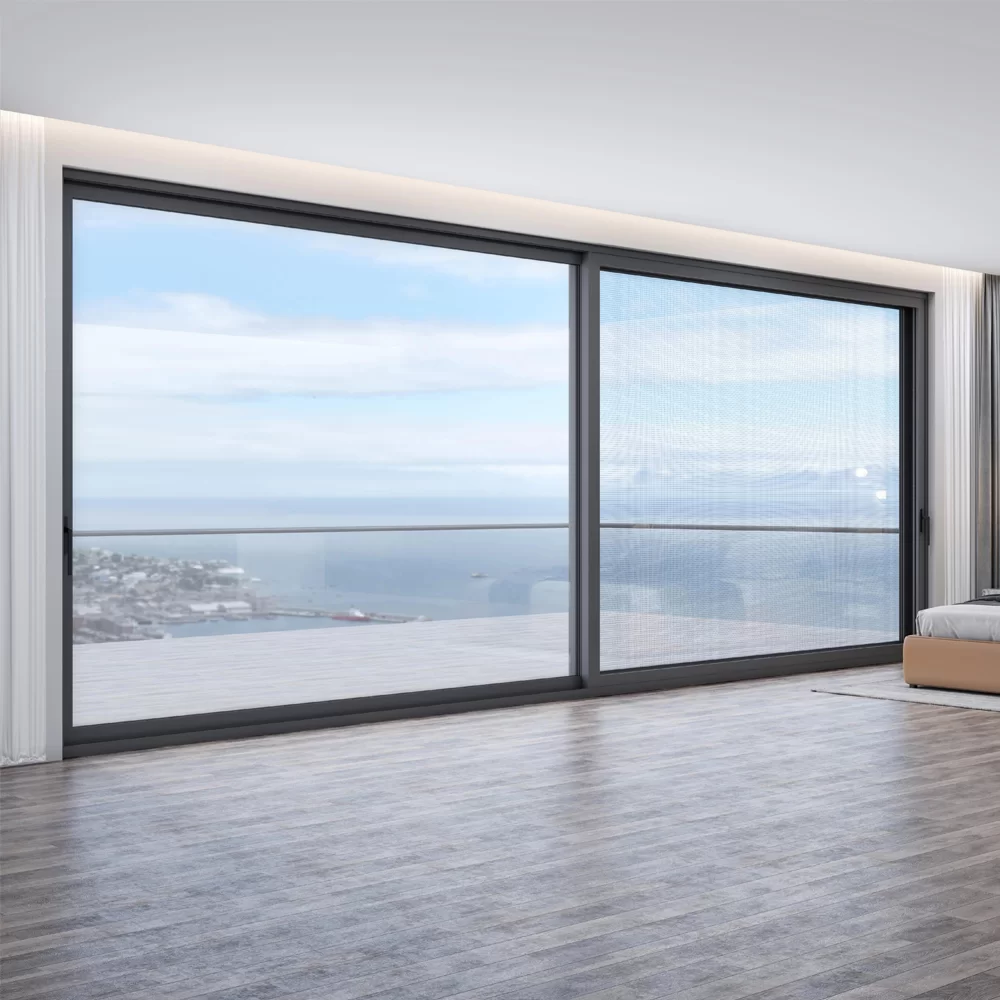
Implementing salt-resistant powder-coated aluminum sliding door systems that provide seamless transitions to outdoor decks while resisting corrosive marine air.

02. High-Rise Apartments in Melbourne CBD

Installing advanced Sound insulation windows to block heavy traffic noise and sirens, ensuring a quiet interior sanctuary for urban residents.

03. Eco-Friendly Residential Homes in Canberra

Utilizing Thermal Break Aluminum window frames to maintain indoor warmth during harsh winters, reducing reliance on electrical heating.

04. Modern Office Complexes in Sydney

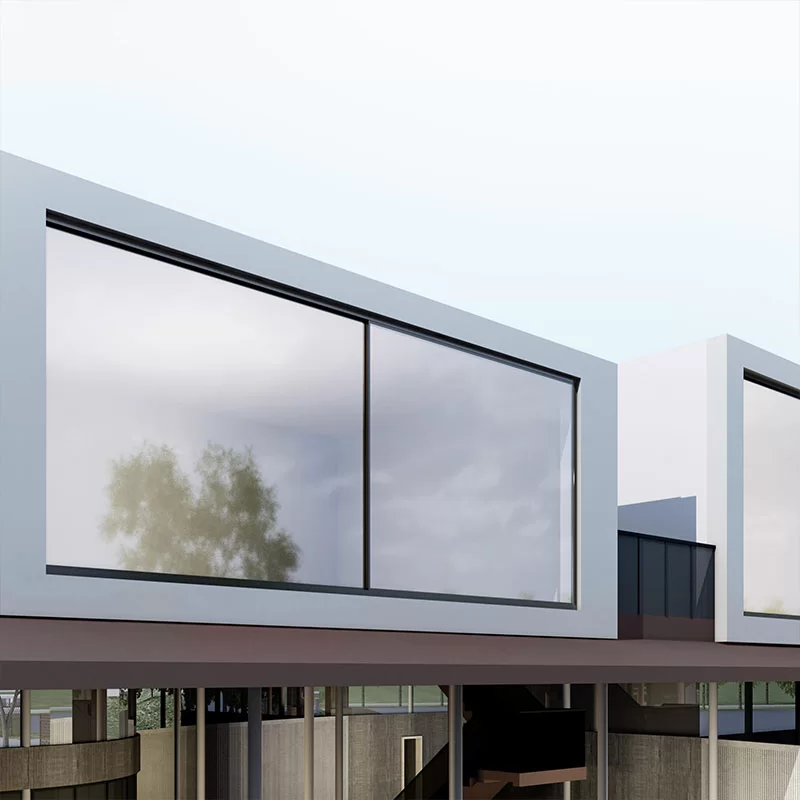
Applying large-scale Aluminum Sliding Window arrays to maximize natural light intake while controlling solar heat gain through thermal barriers.

05. Rural Farmhouses in Western Australia

Developing heavy-duty Casement windows construction that can withstand high wind loads and dust penetration in open terrain.

Brand Story

Global Development History of Shanghai Xiaoan Plastic and Aluminum Door and Window Co., Ltd.

Foundational Precision

Started as a specialized workshop focusing on the core structural integrity of aluminum profiles for the domestic industrial market.

Technological Pivot

Invested in advanced thermal break technology to solve the common pain point of heat conduction in traditional metal windows.

International Expansion

Successfully entered the Oceania market by adapting product specifications to meet rigorous Australian Building Standards (AS2047).

Sustainable Innovation

Launched a series of eco-friendly aluminum products using recycled materials and low-VOC coatings for global distribution.

Global Leadership

Establishing ourselves as a premier partner for architects and developers seeking high-performance structural metal fittings worldwide.

Complete Product Portfolio for the Australian Market

A comprehensive range of metal fittings designed for durability and efficiency.

Common Questions for Australian Customers

Expert answers regarding structural metal window and door applications.

How do Thermal Break Aluminum windows improve energy efficiency in Australia?

They use a non-conductive material between the inner and outer frames to block heat transfer, significantly reducing air conditioning costs during summer and heating costs in winter.

Which Sound insulation windows are best for busy city streets in Sydney?

Double or triple-glazed units with laminated glass and reinforced aluminum frames provide the highest decibel reduction for urban noise pollution.

Are aluminum sliding doors durable enough for coastal weather in Queensland?

Yes, provided they are treated with high-grade marine-grade powder coating and utilize stainless steel hardware to prevent corrosion from salt spray.

What are the advantages of Casement windows construction over sliding ones?

Casement windows typically offer better air-tightness and sound insulation because the sash presses firmly against the frame when locked.

Can an Aluminum Sliding Window be customized for oversized architectural openings?

Absolutely. We use structural-grade aluminum alloys that allow for larger spans while maintaining stability and smooth gliding operation.

Do your metal fittings comply with Australian building standards?

All our structural metal products are engineered to meet or exceed the relevant AS/NZS standards for wind load, water penetration, and thermal performance.

Get Expert Consultation

Ready to upgrade your project with world-class structural metal fittings? Our team is ready to assist you across Australia.

Contact Us Now

If you are interested in our products, you can choose to leave your information here, and we will be in touch with you shortly.