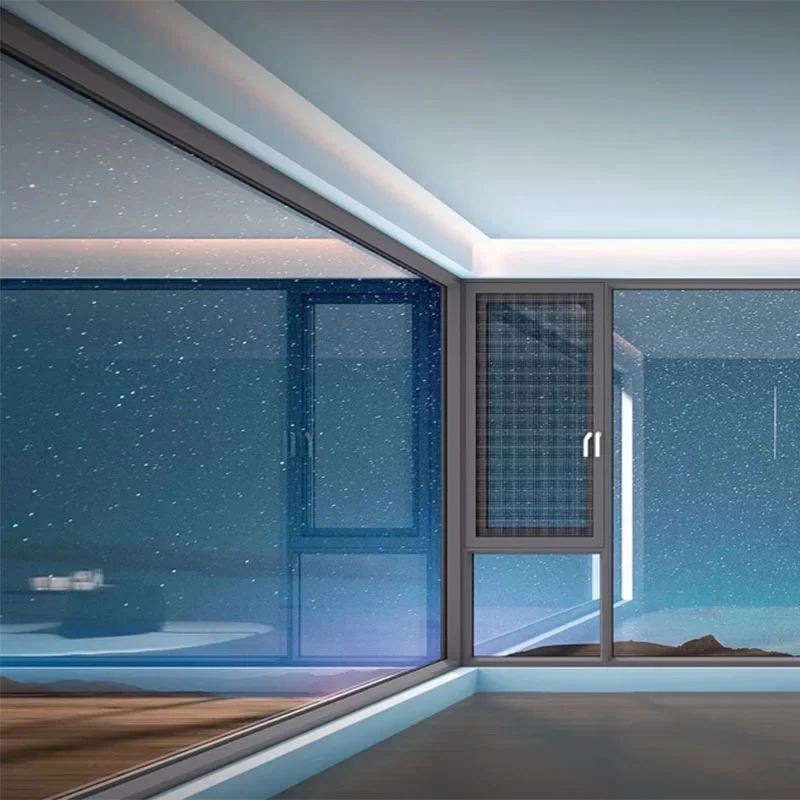
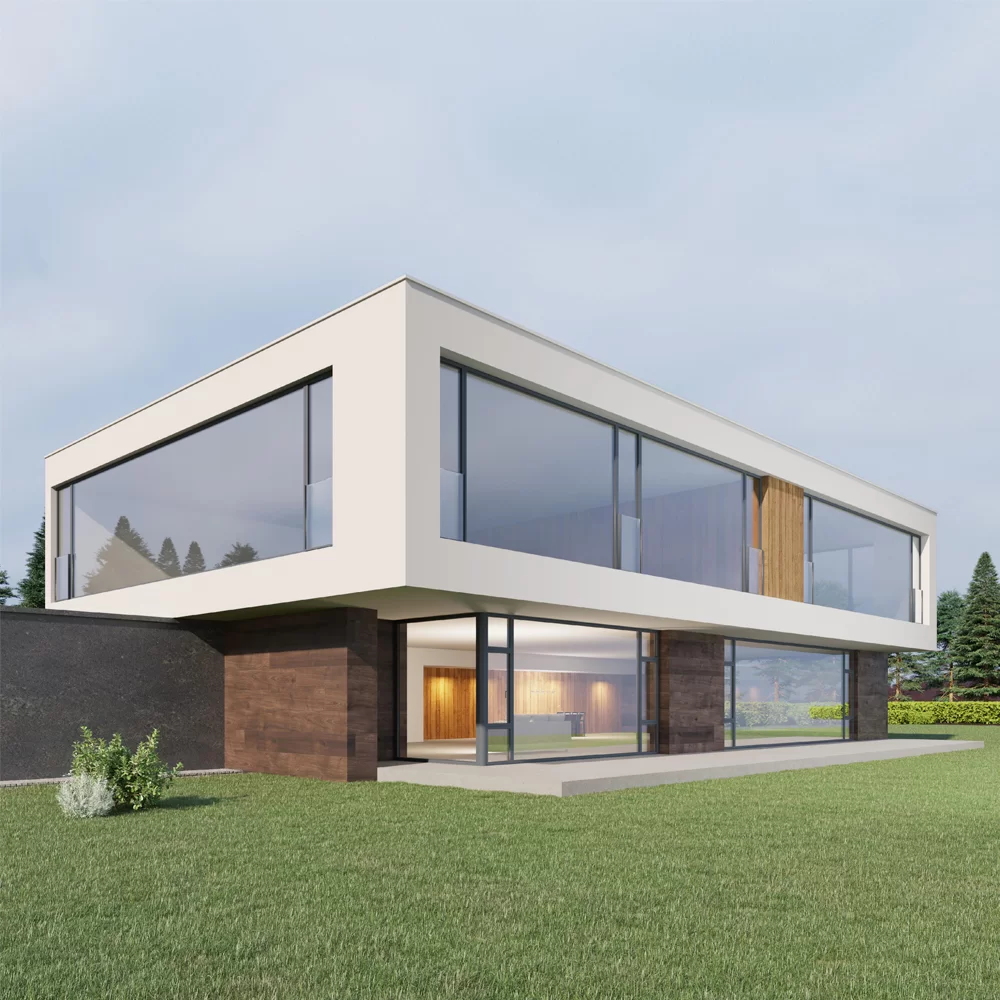
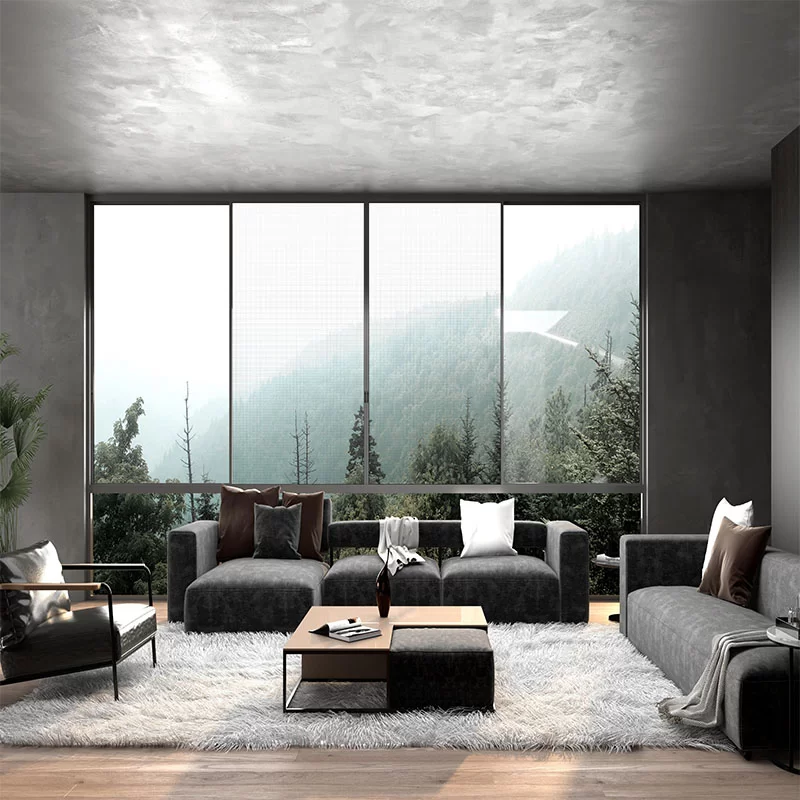
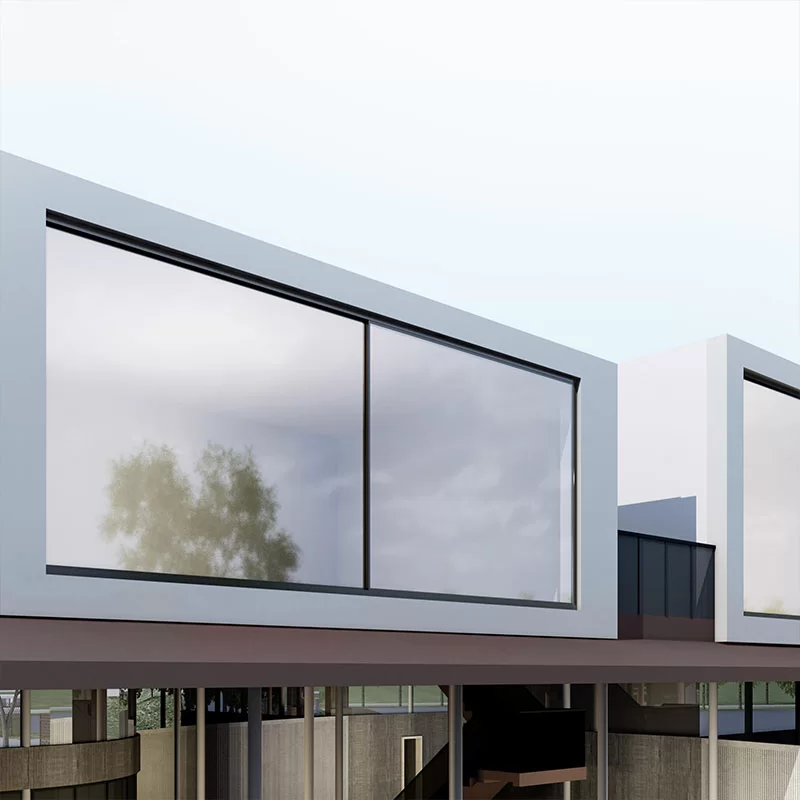
Premium Thermal Break Aluminum window Solutions for Philippines Architecture

Premium Thermal Break Aluminum window Solutions for Philippines Architecture

Engineering high-performance structural metal components to combat tropical humidity and urban noise in the heart of Asia.

Premium Thermal Break Aluminum window Solutions for Philippines Architecture

Integrating advanced structural metal engineering with localized climate adaptations to provide superior insulation and durability for Filipino residential and commercial projects.

The Current Landscape of Fenestration in the Philippines

Analyzing the impact of tropical maritime climates on structural metal accessories.

The Philippines construction market currently faces a critical challenge: the aggressive combination of high humidity, salt-spray corrosion in coastal areas, and extreme urban noise pollution. Traditional aluminum frames often fail to prevent thermal transfer, leading to excessive air-conditioning costs in Metro Manila and Cebu.

There is a surging demand for Sound insulation windows as urban density increases, particularly in mixed-use developments where residential units are adjacent to primary thoroughfares. The shift toward energy-efficient building codes is forcing a transition from basic frames to specialized structural metal solutions.

Furthermore, the prevalence of typhoons requires Casement windows construction that prioritizes wind-load resistance and airtight sealing. The market is moving away from generic imports toward precision-engineered components that can withstand the unique pressure differentials of the Pacific typhoon belt.
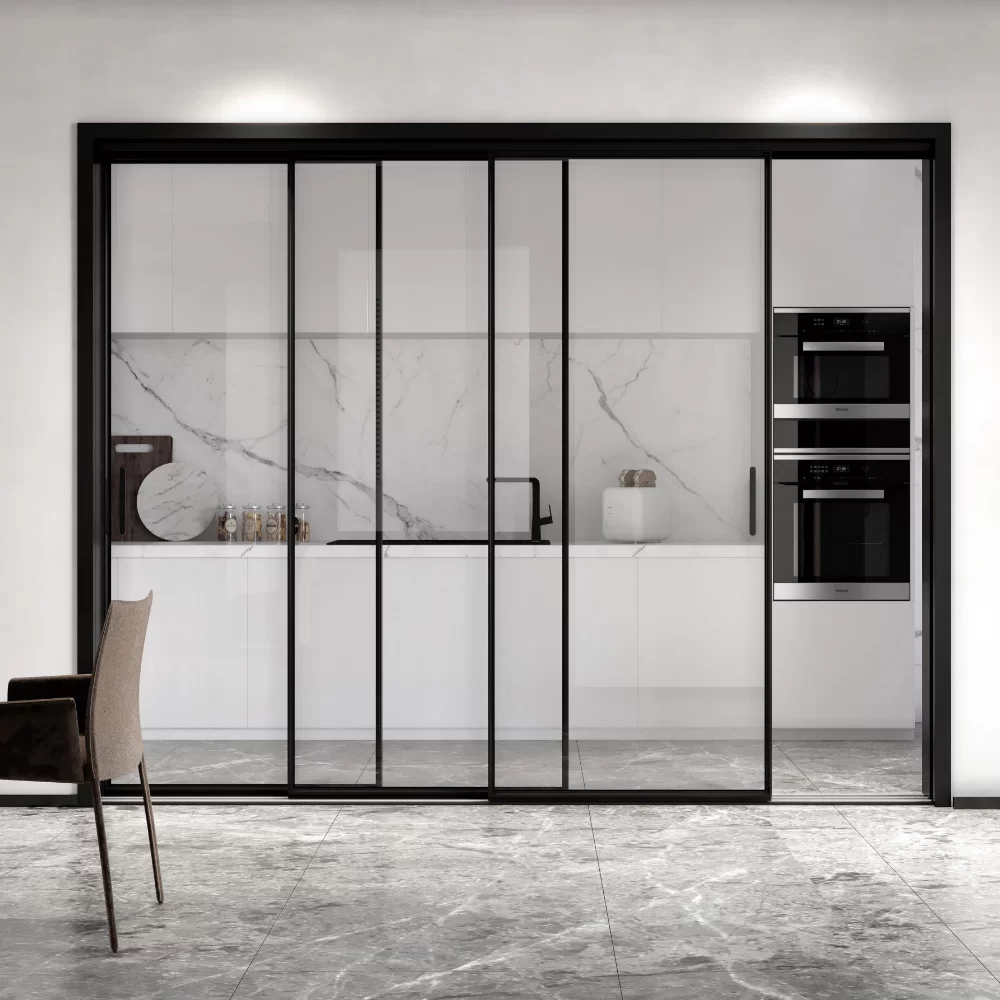
Technical Evolution of Aluminum Systems in Asia

From basic ventilation to intelligent thermal management.

Market Development History

From 1990 to 2010, the Philippine market was dominated by non-insulated aluminum profiles. These systems focused primarily on basic weatherproofing and aesthetics, utilizing standard sliding mechanisms that offered minimal acoustic or thermal barriers.

Between 2011 and 2020, the introduction of improved powder coating and the rise of the BPO industry drove the need for high-end office fit-outs. This period saw the initial adoption of Aluminum Sliding Window systems with better gasket technology to reduce air leakage.

Post-2021, the focus has shifted toward "Green Building" certifications. This has led to the widespread implementation of polyamide strips in profiles, marking the era of the Thermal Break, which significantly reduces the heat gain from the tropical sun.

Future Development Trends

Smart Glass Integration

Integration of electrochromic glass with aluminum frames to dynamically control solar heat gain, reducing the reliance on mechanical cooling.

Ultra-High Wind Load Profiles

Development of reinforced structural chambers within the aluminum extrusion to meet the increasing intensity of regional storm surges.

Sustainable Recycled Alloys

A shift toward low-carbon aluminum production and 100% recyclable metal accessories to align with global ESG goals.

Strategic Industry Outlook and Forecast

Projecting the trajectory of architectural metal components for 2025-2030.

Thermal Efficiency Dominance
Increased adoption of Thermal Break technology to lower energy costs in Philippine skyscrapers.
Acoustic Engineering
Demand for sound-dampening profiles to combat Metro Manila's high decibel urban environments.
Corrosion Resistance
Advanced fluorocarbon coatings to prevent oxidation in salty coastal air across the archipelago.
Modular Automation
Shift toward prefabricated aluminum modules for faster onsite installation in rapid urban developments.

Industry Outlook

Google search trends indicate a 40% increase in queries related to "energy saving windows Philippines," suggesting a fundamental shift in consumer behavior toward long-term operational savings over low initial cost.

We anticipate that by 2028, the standard for luxury residential projects in the Philippines will mandate a minimum U-value performance, making the aluminum sliding door with thermal breaks a market necessity rather than a premium option.

Localized Application Scenarios in the Philippines

Tailored metal solutions for diverse Philippine architectural needs.

01. BGC High-Rise Luxury Condominiums

Implementation of Sound insulation windows to block the noise of Bon Performing Arts Center surroundings, ensuring a serene interior environment for high-net-worth residents.

02. Boracay Coastal Resorts

Using marine-grade anodized aluminum sliding door systems that resist saltwater corrosion while providing seamless indoor-outdoor transitions for guests.

03. Makati Central Business District Offices

Installation of Thermal Break Aluminum window arrays to reduce the heat load from the equatorial sun, cutting HVAC energy consumption by up to 25%.

04. Tagaytay Mountain Retreats

Utilizing reinforced Casement windows construction to handle higher wind pressures at elevated altitudes while maintaining airtight warmth during cool nights.

05. Modern Residential Subdivisions in Cavite

Applying sleek Aluminum Sliding Window designs that balance cost-efficiency with modern minimalist aesthetics for growing middle-class families.

Brand Story

Global Development Journey of Shanghai Xiaoan Aluminum and Plastic Window Co., Ltd.

Precision Foundations

Started with a focus on the structural integrity of metal accessories, solving the common pain point of frame warping in humid environments.

Thermal Innovation

Developed proprietary polyamide break technology, transitioning from basic aluminum to energy-efficient structural systems.

Asia-Pacific Expansion

Established localized supply chains in Southeast Asia to better serve the unique architectural needs of tropical regions.

Sustainability Pivot

Implemented a "Green Metal" initiative, utilizing recycled alloys to reduce the carbon footprint of every window frame produced.

Global Leadership

Now recognized as a leader in structural metal components, delivering precision engineering to the most challenging climates on earth.

Comprehensive Architectural Metal Portfolio for the Philippines

A full range of certified structural components designed for Asian tropical environments.

Philippines Installation & Technical FAQ

Expert answers to common questions regarding structural metal windows in the region.

How do Thermal Break Aluminum windows reduce electricity bills in Manila?

They use a non-conductive polyamide barrier between the inner and outer aluminum profiles, preventing external heat from transferring indoors, which reduces the load on air conditioning systems.

Can sound insulation windows effectively block traffic noise in Makati?

Yes, by combining multi-chambered aluminum profiles with laminated acoustic glass and high-density EPDM gaskets, these systems significantly lower decibel levels from urban streets.

What is the best Casement windows construction for typhoon-prone areas?

We recommend reinforced multi-point locking systems and thickened profile walls that meet high wind-load standards, ensuring the window remains sealed during extreme weather.

Are aluminum sliding doors suitable for beachfront properties in Palawan?

Absolutely, provided they feature a high-grade fluorocarbon (PVDF) coating, which prevents salt-spray corrosion and maintains the finish against intense UV exposure.

What maintenance is required for an Aluminum Sliding Window in the tropics?

Regular cleaning of the tracks to remove dust and salt deposits, and annual lubrication of the rollers ensures smooth operation and longevity of the structural components.

How do I choose between sliding and casement systems for my Philippine home?

Choose sliding systems for space-saving and ease of access; choose casement systems for superior airtightness, better ventilation control, and higher wind resistance.

Ready to Upgrade Your Structure?

Contact our engineering team today for a customized structural metal consultation for your project in Philippines.

Contact Us Now

If you are interested in our products, you can choose to leave your information here, and we will be in touch with you shortly.