Hit enter to search or ESC to close
21 June 2026
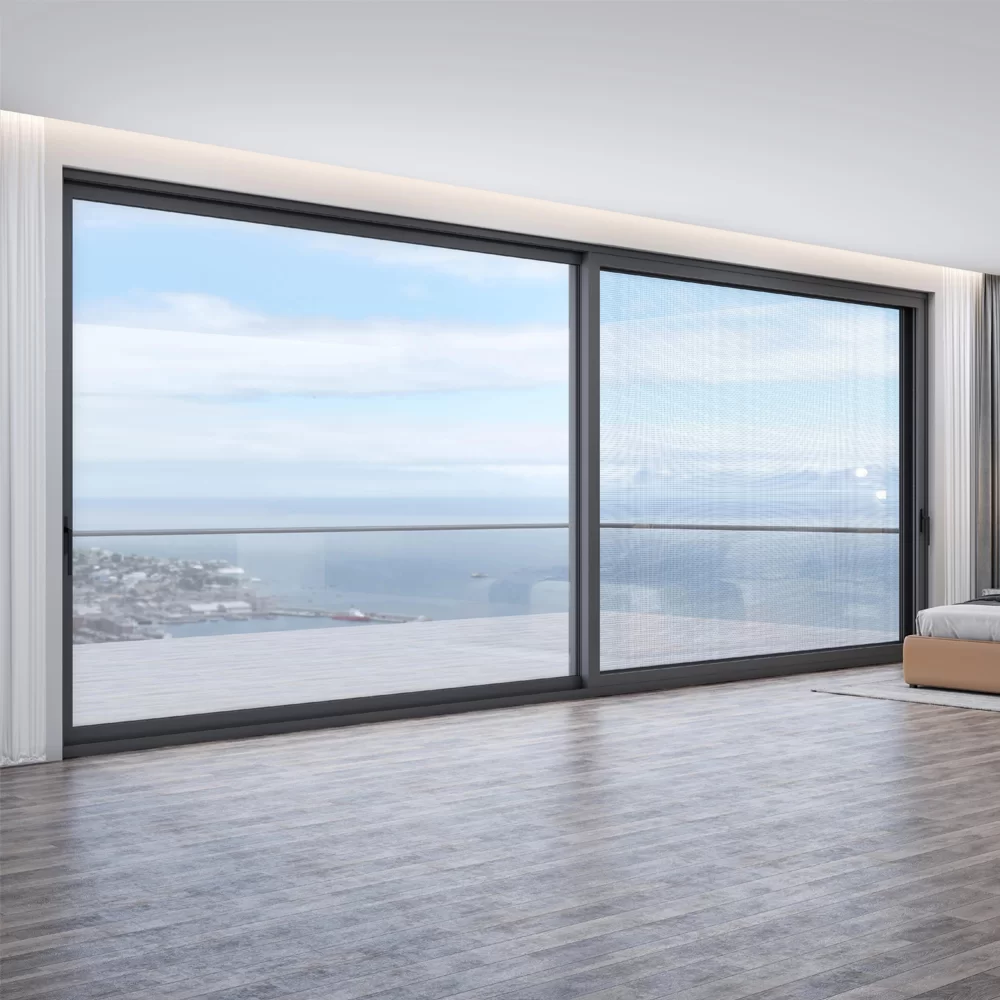
When sourcing high-quality fenestration solutions, partnering with reputable China Aluminum Sliding Window Factories is a strategic move for developers and homeowners alike. China has become a global hub for aluminum extrusion and window fabrication, combining cutting-edge technology with cost-efficient production. Whether you are looking for sleek minimalist designs for a modern villa or heavy-duty frames for commercial complexes, the right manufacturer can ensure energy efficiency, durability, and aesthetic appeal. In this guide, we will explore how to identify top-tier suppliers and what technical standards you should prioritize to maximize your investment.

The primary appeal of China Aluminum Sliding Window Factories lies in their unmatched scalability and technical versatility. Most leading factories utilize advanced CNC machining and automated powder coating lines, ensuring that every frame is precision-engineered to millimeter accuracy. Beyond the cost advantage, Chinese manufacturers have significantly upgraded their quality control systems to meet international standards such as CE, SGCC, and AAMA. By integrating thermal break technology, these factories provide windows that significantly reduce heat transfer, lowering energy bills while maintaining a slim, modern profile that maximizes natural light.
Industry Insight: Thermal break aluminum windows use a polyamide strip to separate the inner and outer aluminum profiles, reducing thermal conductivity by up to 70% compared to non-thermal break options.
Not all suppliers are created equal. When vetting China Aluminum Sliding Window Factories, it is essential to look at the grade of aluminum (typically 6063-T5) and the quality of the hardware used. High-end factories partner with reputable hardware brands to ensure that sliding mechanisms remain smooth over decades of use. Furthermore, the thickness of the profile—ranging from 1.4mm to 2.0mm for residential use—directly impacts the window's structural integrity and wind-load resistance. Professional factories provide comprehensive test reports on air permeability, water tightness, and sound insulation.

Depending on your architectural needs, you may choose between different sliding configurations. Most China Aluminum Sliding Window Factories offer a variety of glass options, from single-pane to triple-glazed Low-E glass, to suit different climatic zones. The table below provides a comparative analysis of the most common sliding window specifications available in the market today.
One of the greatest strengths of China Aluminum Sliding Window Factories is their ability to offer bespoke customization. From custom RAL colors and wood-grain finishes to specialized dimensions for non-standard openings, these factories can tailor products to fit any architectural vision. Modern powder coating techniques ensure that the colors remain vibrant and resistant to UV fading and salt-spray corrosion, which is vital for coastal properties. Whether you require integrated insect screens or reinforced security locks, the manufacturing flexibility allows for a truly personalized product.
Ordering from overseas requires a robust logistics strategy. The top China Aluminum Sliding Window Factories provide comprehensive packaging solutions, using reinforced wooden crates and foam protection to prevent damage during sea freight. Many factories also provide detailed installation manuals and 3D drawings to help local contractors install the windows correctly. By offering "ready-to-install" kits, they reduce on-site errors and ensure that the energy-efficiency ratings are maintained through proper sealing and fitting.
To ensure you are receiving a high-quality product, always request a technical data sheet. Professional China Aluminum Sliding Window Factories will be transparent about their material sources and testing protocols. Below are the standard technical specifications typically found in export-grade sliding windows.
Selecting the right partner among the numerous China Aluminum Sliding Window Factories is the key to achieving a balance between cost-efficiency and high-end performance. By focusing on thermal break technology, material certifications, and comprehensive logistics support, you can ensure your project benefits from the best of Chinese manufacturing. Invest in quality, prioritize energy efficiency, and partner with a factory that values precision and long-term durability.
Verifying quality involves several steps. First, request a company profile and a list of international certifications (ISO, CE, etc.). Second, ask for a sample of the aluminum profile to check for thickness and finish consistency. Third, request third-party inspection reports or visit the factory via a virtual tour. Reputable China Aluminum Sliding Window Factories are usually transparent about their production processes and welcome quality audits from their clients.
The main difference is energy efficiency. Aluminum is a highly conductive material, meaning it allows heat to pass through easily. Non-thermal break windows are simply aluminum frames; they are cheaper but offer poor insulation. Thermal break windows feature a reinforced plastic or polyamide strip between the inside and outside frames, which "breaks" the thermal bridge. This keeps the warmth inside during winter and the heat outside during summer, significantly reducing HVAC costs.
Yes, almost all professional China Aluminum Sliding Window Factories specialize in OEM and customized orders. You can provide your own architectural drawings or a schedule of dimensions, and the factory will create a technical shop drawing for your approval. Regarding colors, you can specify a RAL color code for powder coating or choose from a variety of anodized finishes and wood-grain sublimation options to match your interior design.
Lead times vary based on the order volume and complexity. Typically, production takes between 20 to 45 days after the final technical drawings are signed and the deposit is paid. Shipping time depends on the destination and the mode of transport; sea freight usually takes 20 to 40 days. To ensure a smooth project timeline, it is recommended to finalize specifications and place orders at least 3-4 months before the installation date on site.