Advanced Thermal Break Aluminum window Solutions for Singapore Architecture

Advanced Thermal Break Aluminum window Solutions for Singapore Architecture

Engineering high-performance structural metal components to combat tropical heat and urban noise in the heart of Asia's financial hub.

Advanced Thermal Break Aluminum window Solutions for Singapore Architecture

Providing premium structural metal accessories and window systems specifically engineered for Singapore's high-humidity and high-temperature environment, ensuring energy efficiency and structural integrity.

Current Market Landscape of Metal Window Systems in Singapore

Analyzing the intersection of tropical climate challenges and urban density.

In the densely populated city-state of Singapore, the construction industry faces a dual challenge: extreme tropical humidity and intense urban noise pollution. The demand for Sound insulation windows has surged as residential developments move closer to major transportation hubs and commercial districts, requiring high-decibel reduction capabilities.

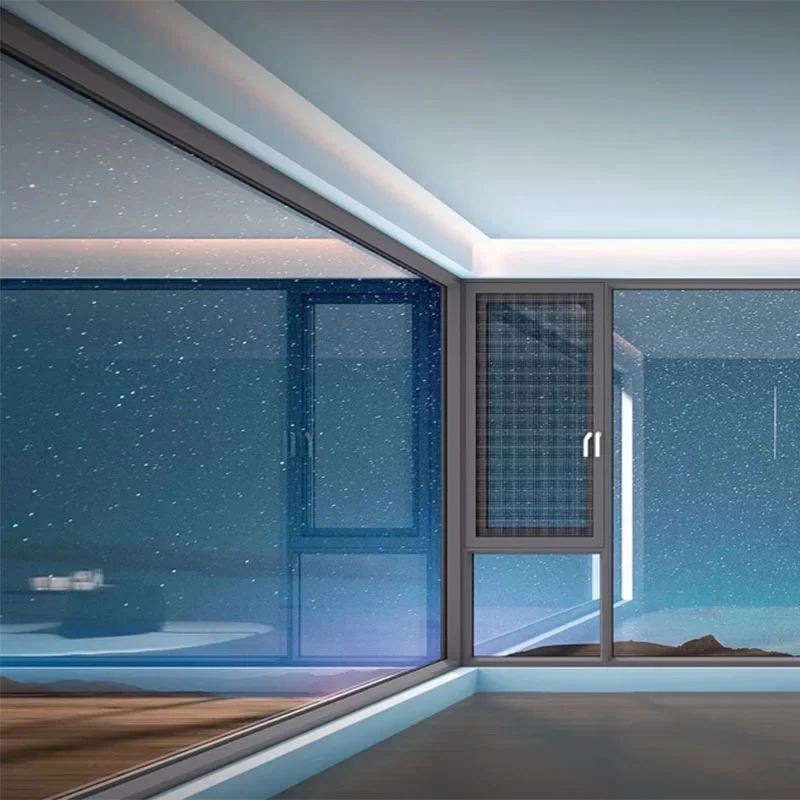
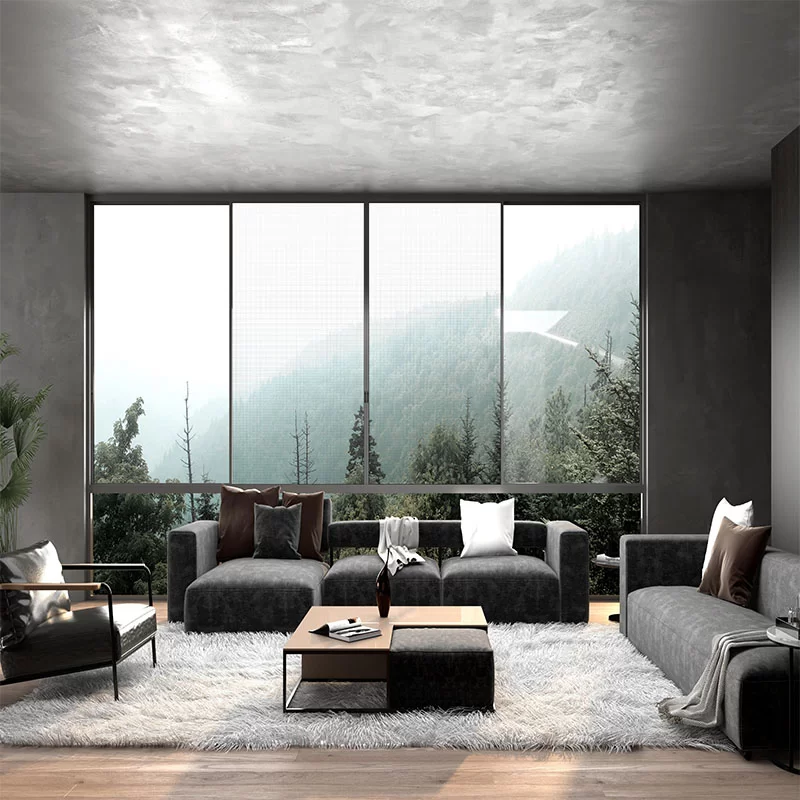
Furthermore, the Singapore Green Plan 2030 has pushed architects to prioritize energy efficiency. Traditional aluminum frames act as thermal conductors, leading to massive heat gain. This has shifted the market preference toward the Thermal Break Aluminum window, which utilizes polyamide strips to decouple the interior and exterior profiles, significantly reducing air conditioning loads.

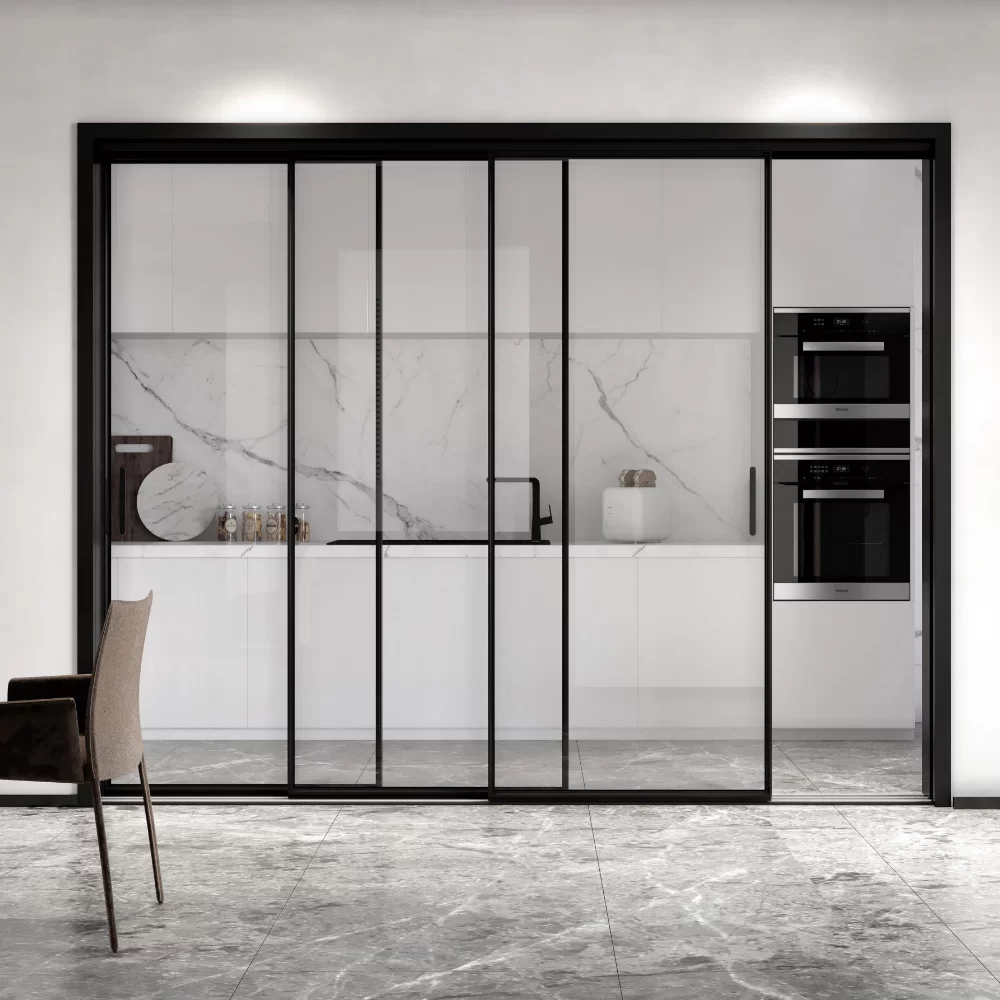
The architectural preference in local condominiums often blends functionality with aesthetics, where the aluminum sliding door remains a staple for balcony access, though there is an increasing shift toward precision-engineered structural accessories to prevent leakage during the monsoon season.
Evolution and Trajectory of Structural Metal Accessories

From basic ventilation to intelligent thermal management systems.

Market Development History

In the 1980s and 90s, the Singapore market relied heavily on standard non-insulated aluminum frames. These were sufficient for basic weatherproofing but offered poor thermal resistance and minimal sound attenuation, focusing primarily on durability against saltwater corrosion.

By the mid-2000s, the transition toward "Green Mark" certification introduced a demand for better sealing and insulation. This era saw the rise of sophisticated Casement windows construction techniques, utilizing multi-point locking systems and EPDM gaskets to improve airtightness.

From 2015 to the present, the focus has evolved into "High-Performance Envelopes." The integration of broken-bridge technology and low-E glass has become the standard for luxury residential and commercial projects to meet stringent energy codes.

Future Development Trends

Smart Thermal Integration

Integration of sensor-driven actuators within the Aluminum Sliding Window frames to automate ventilation based on external humidity and temperature.

Advanced Acoustic Polymers

The shift toward hybrid metal-polymer composites to enhance the decibel reduction of sound insulation systems without increasing frame thickness.

Circular Economy Aluminum

Increasing adoption of recycled low-carbon aluminum alloys in structural components to align with Singapore's zero-waste masterplan.

Industry Outlook and Technological Forecast

Predicting the next 5 years of structural metal fabrication in Asia.

Ultra-Slim Profiles
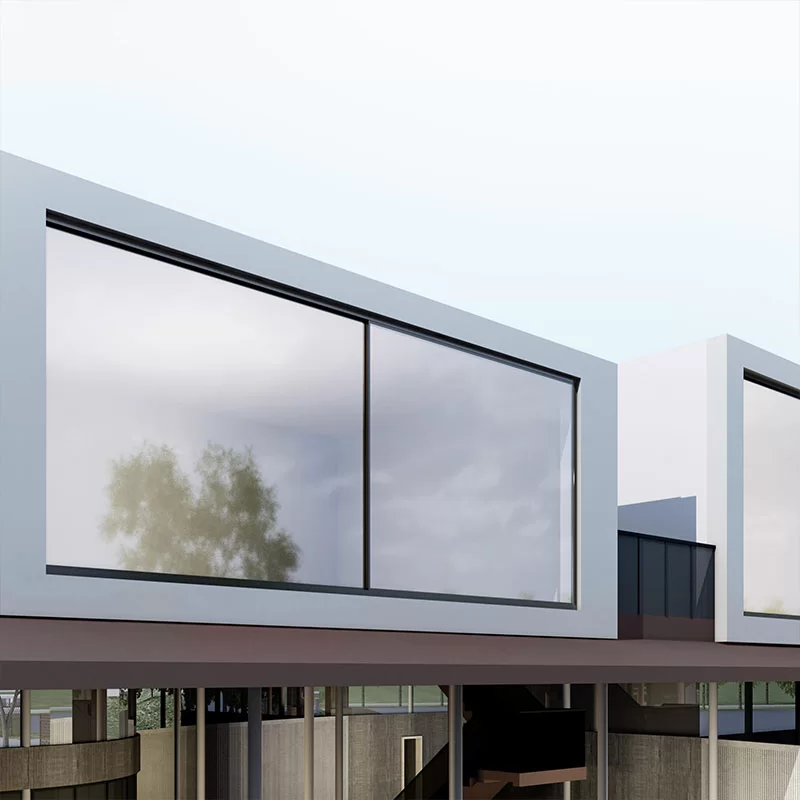
Developing high-strength aluminum alloys that allow for thinner frames without compromising structural stability for panoramic city views.
Passive Cooling Systems
Integrating phase-change materials within aluminum frames to absorb heat during the day and release it at night.
IoT-Ready Hardware
Embedding electronic locking and monitoring systems directly into the metal extrusions for smart home compatibility.
Anti-Corrosive Nanocoating
Application of advanced fluorocarbon and nano-coatings to prevent oxidation in coastal high-salinity areas of Singapore.

Industry Outlook

Based on current search trends and urban development patterns in Southeast Asia, the demand for precision-engineered metal components is moving away from "commodity" products toward "performance" solutions. The intersection of environmental sustainability and urban comfort is driving the growth of the specialized structural metal sector.

We anticipate that the integration of AI in the design phase will allow for customized aluminum profiles that optimize airflow and sound reflection, creating "acoustic zones" within residential units, a critical need for the dense living conditions in Singapore.

Localized Application Scenarios in Singapore

Real-world implementations of high-performance metal accessories across various urban contexts.

01. High-Rise Luxury Condominiums in Orchard Road

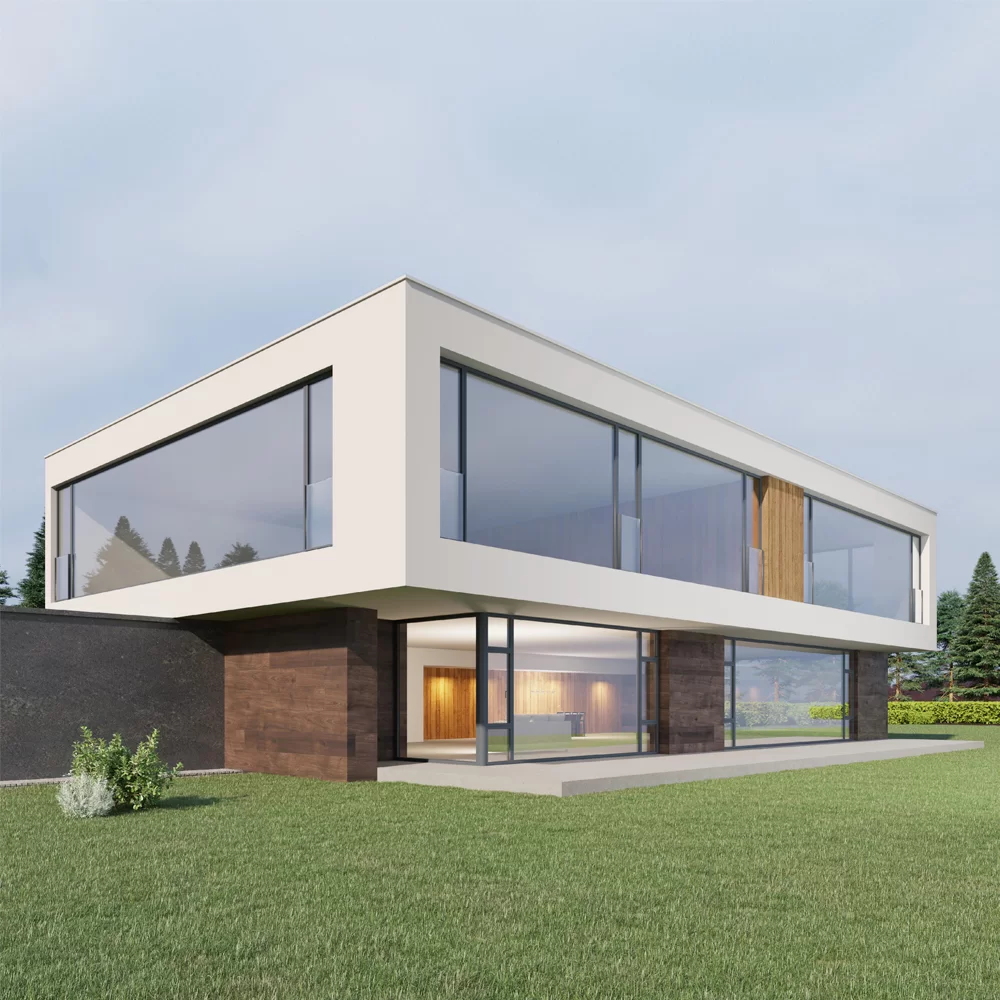
Implementing Thermal Break Aluminum window systems to reduce solar heat gain in floor-to-ceiling glass facades, significantly lowering energy costs for luxury residents.

02. Commercial Office Spaces in the CBD

Installation of high-grade Sound insulation windows to isolate interior workspace noise from the heavy traffic of the Central Business District, enhancing employee productivity.

03. Modern HDB BTO Upgrades

Retrofitting older units with precision Casement windows construction to improve airtightness and prevent rainwater seepage during the northeast monsoon.

04. Waterfront Villas at Sentosa Cove

Using marine-grade aluminum sliding door components with enhanced anti-corrosive coatings to withstand the high salt spray of the coastal environment.

05. Boutique Shophouses in Chinatown

Integrating sleek Aluminum Sliding Window designs that maintain the heritage aesthetic while providing modern security and thermal insulation.

Brand Story

Global Development History of Shanghai Xiaoan Plastic-Aluminum Door and Window Co., Ltd.

Foundational Precision

Established with a mission to solve the fundamental gap between structural strength and thermal efficiency in metal fabrication.

Technological Breakthrough

Pioneered advanced broken-bridge technology, allowing aluminum profiles to achieve insulation levels previously only possible with PVC.

Market Expansion

Extended operations across Asia, specializing in adaptive solutions for tropical climates and high-density urban environments.

Quality Standardization

Achieved international certifications for structural integrity and acoustic performance, becoming a trusted partner for global architects.

Sustainable Future

Now leading the transition toward green aluminum and smart-window integration to support global net-zero carbon targets.

Comprehensive Structural Metal Product Portfolio for Singapore

A curated selection of high-performance window and door components engineered for the tropics.

Frequently Asked Questions in the Singapore Market

Expert answers to common technical queries regarding structural metal accessories.

How do Thermal Break Aluminum window systems reduce electricity bills in Singapore?

By introducing a non-conductive material (like polyamide) between the outer and inner aluminum profiles, these windows block the transfer of external heat into the room, reducing the workload on air conditioning systems.

Can Sound insulation windows effectively block noise from MRT tracks?

Yes, by utilizing laminated acoustic glass and precision-engineered air-tight seals in the frame, these windows can significantly reduce low-frequency vibrations and high-frequency noise from urban transport.

What is the best Casement windows construction for preventing rain leakage?

The best construction involves a combination of triple-seal EPDM gaskets and optimized drainage channels within the aluminum profile to ensure water is efficiently diverted outward during heavy rain.

Are Aluminum Sliding Window systems suitable for high-wind areas in Singapore?

Yes, provided they use reinforced structural profiles and high-grade rollers. Our systems are designed to withstand the wind pressure typical of high-rise buildings in the region.

Which aluminum sliding door coating is most resistant to saltwater corrosion?

Fluorocarbon (PVDF) coatings provide the highest level of resistance to UV radiation and saline environments, making them ideal for properties located near the Singapore coastline.

How often should the hardware of an aluminum sliding door be maintained?

In Singapore's humid climate, we recommend cleaning the tracks and lubricating the rollers every 6 to 12 months to prevent debris build-up and ensure smooth operation.

Ready to Optimize Your Building Envelope?

Consult with our structural metal experts to find the perfect window and door solutions for your project in Singapore.

Contact Us Now

If you are interested in our products, you can choose to leave your information here, and we will be in touch with you shortly.