Advanced Thermal Break Aluminum window Solutions for South Korea’s Urban Architecture

Advanced Thermal Break Aluminum window Solutions for South Korea's Urban Architecture

Engineered for extreme temperature fluctuations and acoustic serenity in high-density metropolitan environments.

Advanced Thermal Break Aluminum window Solutions for South Korea's Urban Architecture

Integrating high-performance Thermal Break Aluminum window technology with South Korean energy efficiency standards to reduce carbon footprints and enhance indoor comfort.

The State of Structural Metal Components in South Korea

Analyzing the intersection of architectural luxury and energy regulation in Asia's tech hub.

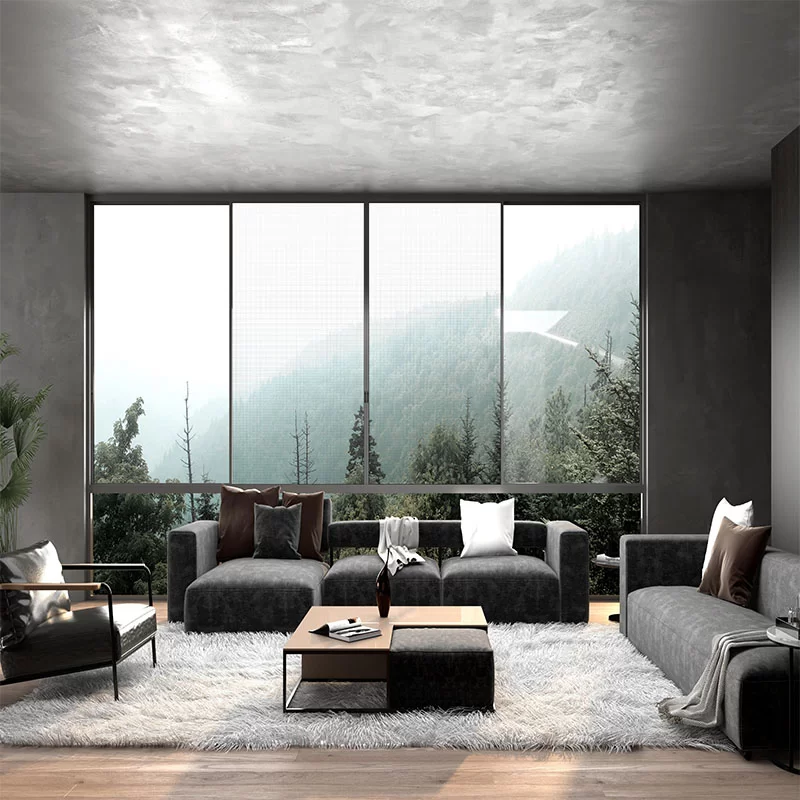
South Korea's construction landscape is characterized by a sharp contrast between high-rise apartments in Seoul and traditional housing. The regional climate, featuring freezing winters and humid summers, necessitates high-spec Sound insulation windows to combat urban noise pollution and maintain thermal stability.

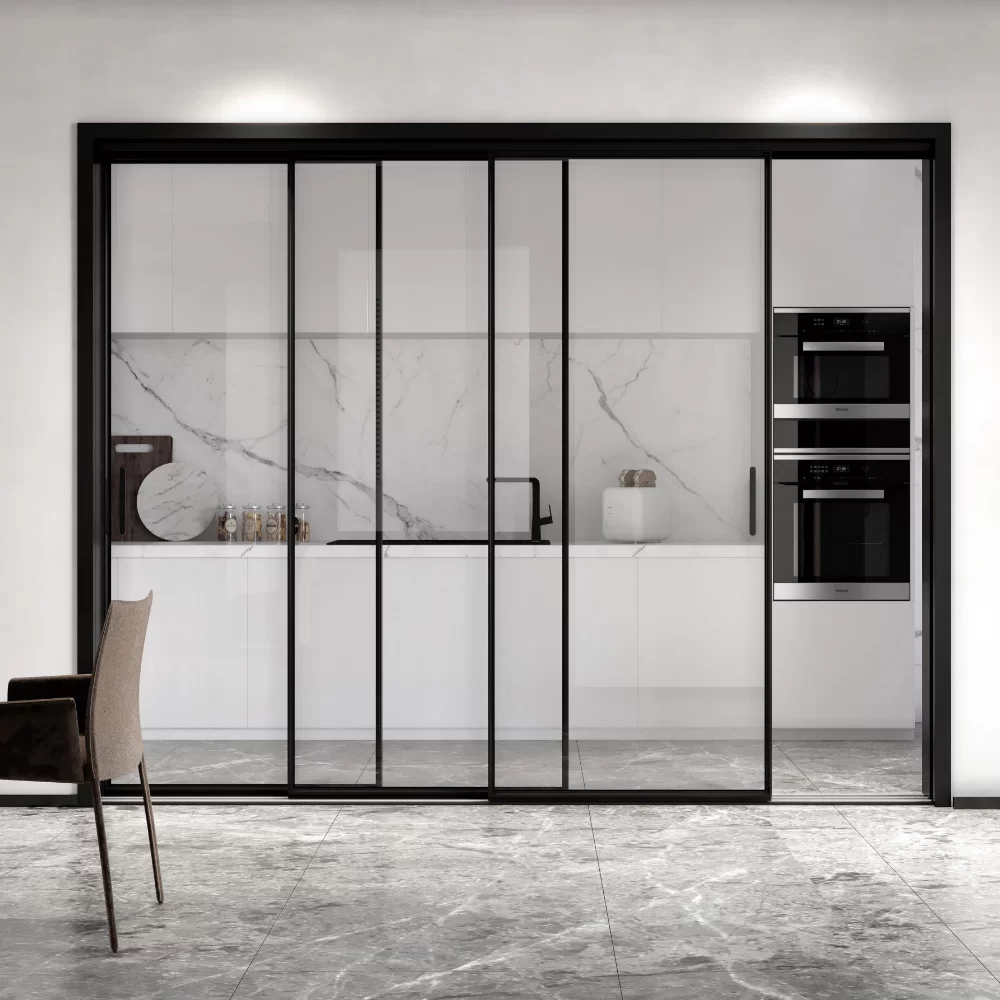
The government's strict "Zero Energy Building" certification has pushed the industry toward high-precision metal accessories. This shift has made the aluminum sliding door a staple in modern Korean interiors, balancing the need for space-saving functionality with high air-tightness ratings.

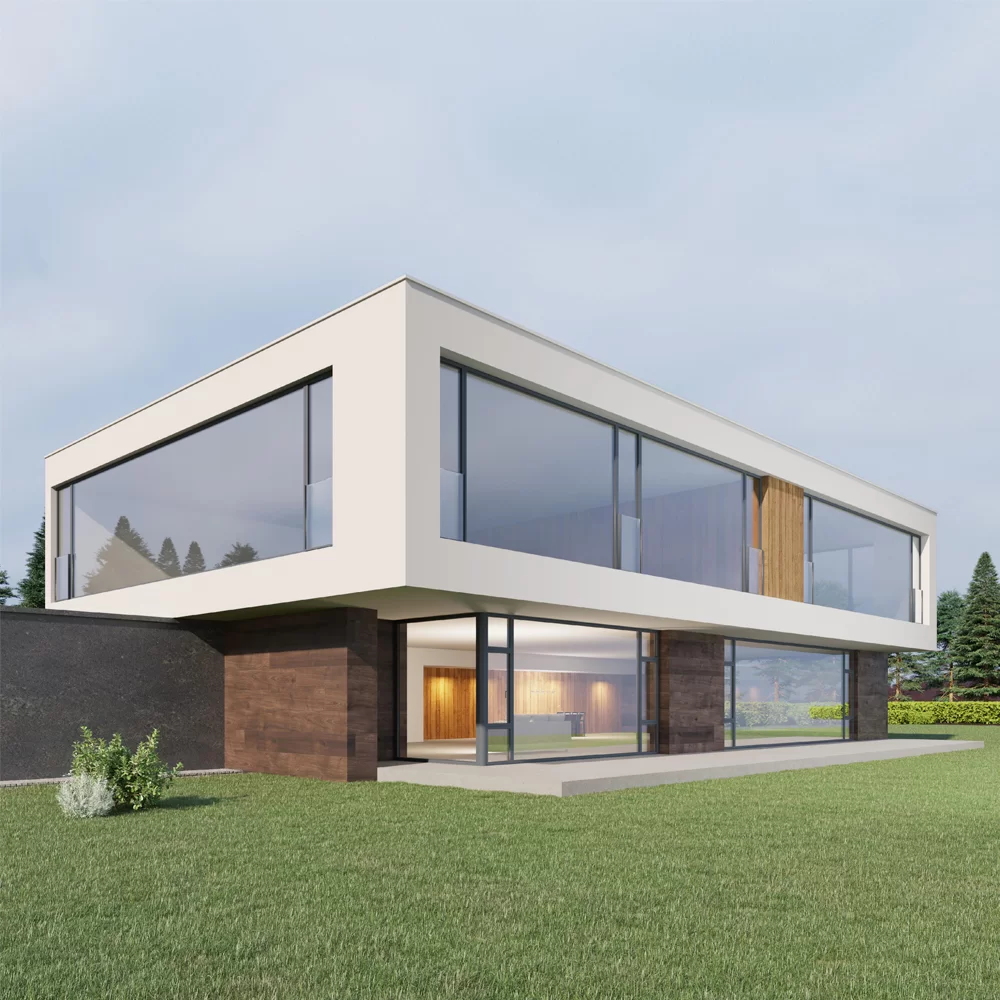
Furthermore, the demand for premium structural metal products has evolved. There is a growing preference for minimalist aesthetics combined with heavy-duty performance, requiring advanced Casement windows construction that can withstand high wind loads in coastal cities like Busan.
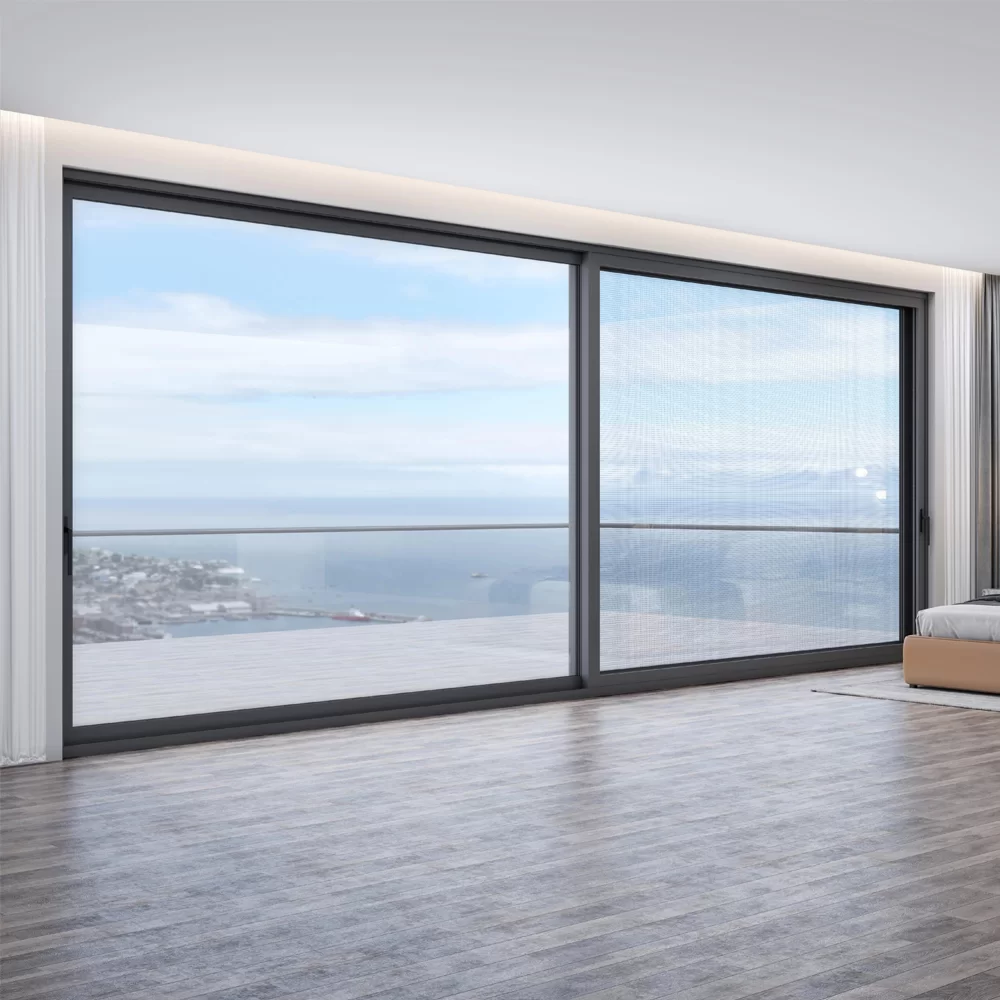
Evolution of Metal Window Systems in the Korean Market

From basic aluminum frames to intelligent thermal-regulating systems.

Market Development History

In the 1990s, the market relied heavily on single-pane aluminum frames, which offered structural strength but poor thermal insulation, leading to significant energy loss during Korean winters.

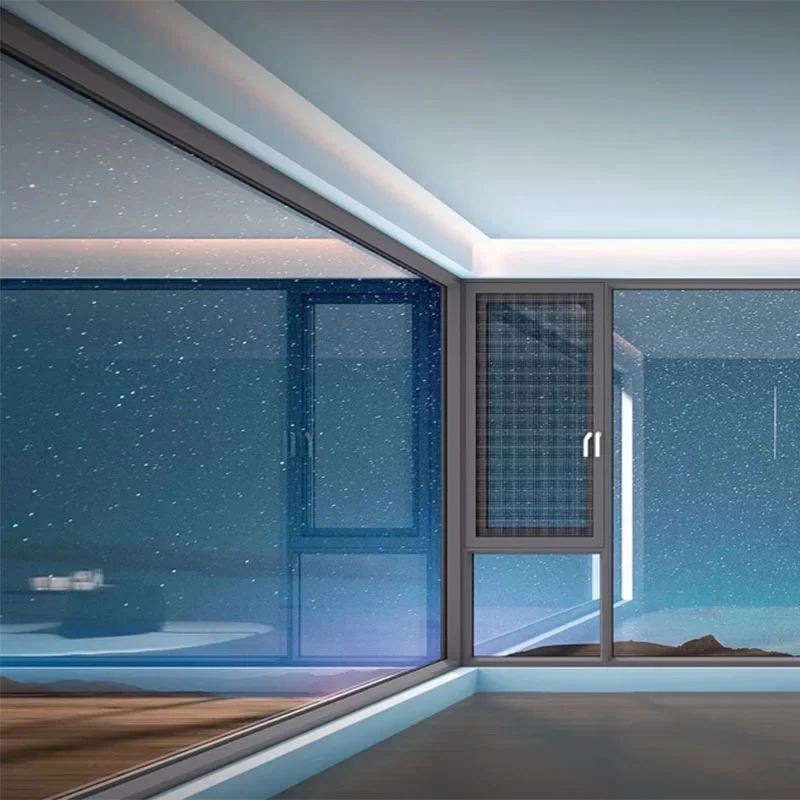
Between 2005 and 2015, the introduction of polyamide strips revolutionized the industry, giving rise to the widespread adoption of the Thermal Break Aluminum window, which significantly reduced condensation and heat transfer.

From 2016 to the present, the focus has shifted toward "Smart Fabrication," where Aluminum Sliding Window systems are integrated with low-E glass and multi-chamber profiles to meet the highest energy-saving grades.

Future Development Trends

AI-Driven Thermal Optimization

Integration of sensors within the frame to automatically adjust ventilation based on South Korea's fluctuating humidity levels.

Ultra-Slim Structural Profiles

A shift toward maximizing glass area while maintaining the structural integrity of Casement windows construction for panoramic urban views.

Circular Economy Materials

Increased use of recycled high-grade aluminum alloys to align with the "Green New Deal" environmental policies in Asia.

Industry Trends and Future Outlook

Forecasting the next 5 years of architectural metal innovation.

Acoustic Engineering
Increasing demand for Sound insulation windows to filter out metropolitan noise in Seoul.
Thermal Efficiency
Advanced break technology to minimize heat loss during the harsh South Korean winter.
Modular Installation
Prefabricated Aluminum Sliding Window units for faster high-rise construction.
Smart Integration
IoT-connected locking mechanisms for enhanced security in residential complexes.

Industry Outlook

Based on Google search trends for "energy-efficient homes" in Korea, we anticipate a 25% increase in demand for high-performance aluminum profiles. The integration of vacuum glass with thermal break frames will become the standard for luxury villas.

The market is shifting from simple product sales to full-cycle "energy management" services, where the window system is treated as a critical component of the building's HVAC efficiency.

Localized Applications in South Korea

Customized metal solutions for diverse Korean architectural needs.

01. Gangnam High-Rise Apartments

Implementing Sound insulation windows to provide a quiet living environment amidst the noise of Seoul's busiest commercial district.

02. Jeju Island Luxury Villas

Utilizing reinforced Casement windows construction to resist heavy sea winds and salt-spray corrosion.

03. Incheon Smart City Offices

Installation of wide-span aluminum sliding door systems to create seamless indoor-outdoor transitions in eco-friendly workspaces.

04. Busan Coastal Residences

Applying high-performance Thermal Break Aluminum window systems to combat the humid subtropical climate.

05. Traditional Hanok Modernizations

Integrating slim Aluminum Sliding Window profiles that mimic traditional wooden lattices while providing modern insulation.

Brand Story

Global Development Journey of Shanghai Xiaoan Plastic-Aluminum Window Co., Ltd.

Foundation of Precision

Established with a mission to solve the critical failure of thermal leakage in standard aluminum frames.

Technological Breakthrough

Developed a proprietary thermal break bridge that outperformed industry standards for conductivity.

Global Expansion

Extended our reach into the Asia-Pacific market, tailoring designs to the unique climates of South Korea and Japan.

Quality Certification

Achieved international certifications for air-tightness and sound reduction, ensuring global reliability.

Sustainable Future

Now leading the transition toward 100% recyclable aluminum profiles for a greener planet.

Premium Metal Window Portfolio for South Korea

Comprehensive structural solutions tailored for Korean energy and acoustic standards.

South Korea Regional FAQ

Expert answers to common technical queries in the Korean market.

How do Sound insulation windows perform in Seoul's high-traffic areas?

Our systems use multi-layered glass and specialized gaskets to reduce urban decibel levels by up to 45dB, ideal for apartments near major roads.

Are Thermal Break Aluminum window systems compatible with Korean energy laws?

Yes, our profiles are engineered to meet the strict U-value requirements of the Korean Zero Energy Building certification.

What is the advantage of Casement windows construction for coastal Busan?

Casement designs provide a tighter seal against wind pressure and salt-laden air compared to sliding options, preventing leaks during typhoons.

Can an aluminum sliding door maintain warmth during winter?

By utilizing high-density polyamide breaks and triple-pane glass, our sliding doors minimize cold bridges effectively.

How often should an Aluminum Sliding Window be maintained in humid climates?

We recommend a biannual check of the track and drainage system to prevent buildup from summer humidity and dust.

Which material is better for structural stability in high-rises?

Our reinforced architectural aluminum provides the highest strength-to-weight ratio, ensuring stability against high-altitude wind loads.

Get a Professional Consultation

Connect with our engineering team for customized architectural metal solutions in South Korea.

Contact Us Now

If you are interested in our products, you can choose to leave your information here, and we will be in touch with you shortly.